


Understanding the Basics of Weed Store
What is a Weed Store?
A Weed Store is a retail establishment specializing in the sale of cannabis products, including both medicinal and recreational items. These stores cater to a diverse clientele, appealing to those seeking therapeutic benefits and recreational users interested in the psychoactive effects of marijuana. Characteristically, a weed store may offer various cannabis strains, edibles, tinctures, oils, and smoking accessories, all designed to enhance the user experience.
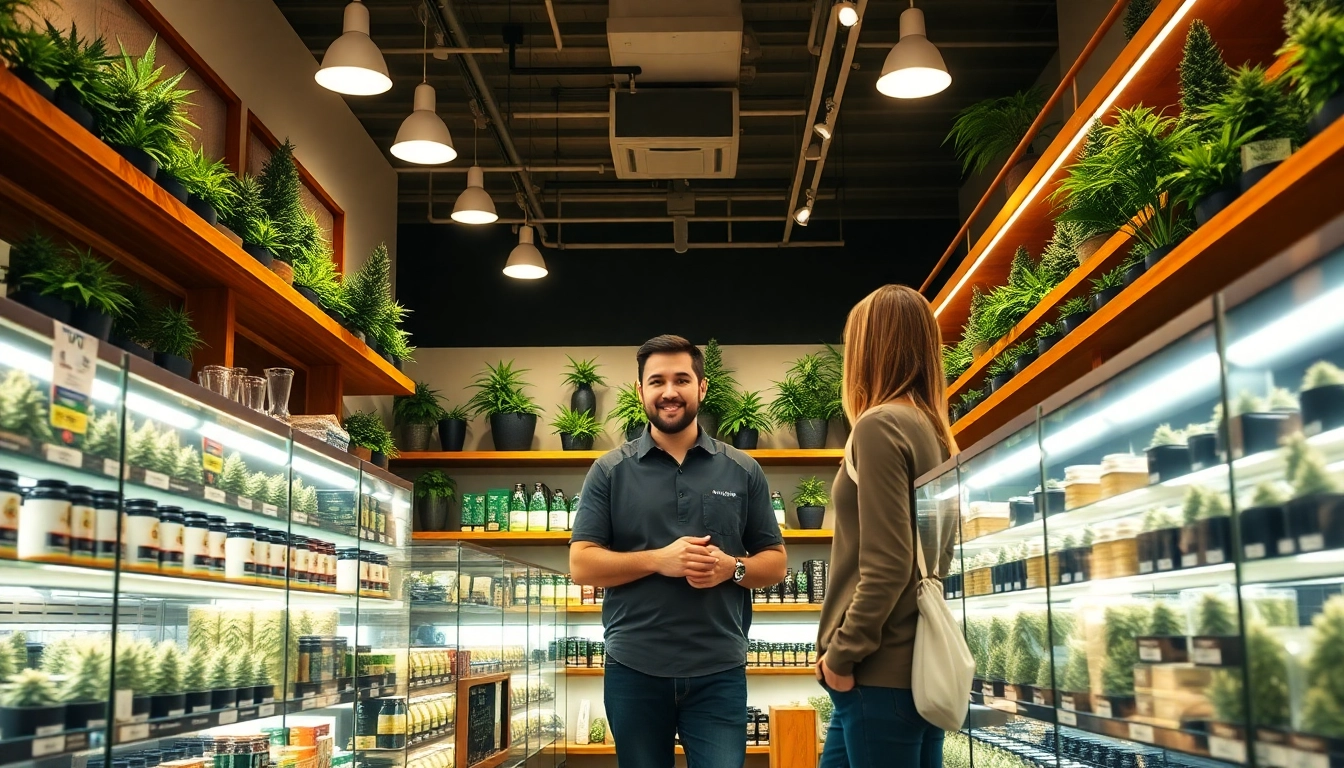
The atmosphere in a weed store might differ from traditional pharmacies or liquor stores, often creating a more welcoming environment where customers can explore and inquire about products. The presence of knowledgeable staff, often referred to as “budtenders,” provides an additional layer of service, allowing consumers to receive personalized recommendations based on their needs and preferences.
The History and Evolution of Cannabis Retail
The concept of cannabis retail has undergone significant transformation. While cannabis has been utilized for centuries, it wasn’t until the modern movements advocating for legalization began in the late 20th century that storefronts dedicated solely to cannabis emerged. The initial stages of cannabis legality were primarily focused on medicinal use, with the first licensed weed stores opening in states that legalized medical marijuana.
The trend began to shift as recreational cannabis gained acceptance. With changing regulations, more states legalized recreational sales, leading to a proliferation of marijuana dispensaries. This shift has not only changed the nature of cannabis consumption but has also fostered a culture surrounding cannabis that invites education, community engagement, and awareness about responsible use.
Legal Considerations and Regulations
Legal considerations around operating a weed store are complex and vary by location. In regions where cannabis is legal, businesses must adhere strictly to local regulations pertaining to product sourcing, sales, and distribution. Compliance with state laws regarding age restrictions, product testing, and labeling is critical for maintaining legitimacy and safety within the market.
Furthermore, staying abreast of evolving laws is paramount, as legislative changes can come swiftly. Whether it be the implementation of new taxes on sales or alterations in licensing requirements, operators of weed stores must navigate this dynamic legal landscape to thrive.
Products Offered by Weed Store
Diverse Cannabis Product Ranges
Weed stores typically house a myriad of products suitable for different preferences and needs. These can include:
- Cannabis Flower: The most traditional form, available in countless strains with various terpene profiles and potency levels.
- Edibles: Food products infused with cannabis, ranging from gummies to baked goods, catering to those who prefer not to smoke.
- Concentrates: Highly potent extracts like wax, shatter, and oils that provide enhanced effects, suitable for experienced users.
- Topicals: Cannabis-infused creams and balms designed for localized relief without psychoactive effects.
- Tinctures: Liquid cannabis extracts taken sublingually for quick absorption and precise dosage.
Understanding Different Consumption Methods
The methods of consuming cannabis products vary widely. Each method offers a unique experience regarding onset time, intensity, and duration. Understanding these differences is essential for making informed choices:
- Smoking: Inhalation results in immediate effects, making it a popular choice. However, it may not be appealing to everyone due to health considerations.
- Vaping: A modern alternative to smoking, using vaporization to heat flower or concentrates without combustion, which many find more palatable.
- Ingestion: Edibles and tinctures offer an alternative for users seeking longer-lasting effects, though they may take longer to kick in.
- Topical Application: Creams and balms provide targeted relief without psychoactive effects, useful for conditions such as pain and inflammation.
Choosing Quality: What to Look For
When purchasing from a weed store, quality should be a priority. The following tips can help consumers identify top-notch products:
- Check Lab Reports: Reputable weeds stores will have lab results available, indicating the potency and purity of their products.
- Know Your Strains: Understand the different strains’ effects—Indica, Sativa, and Hybrid—and how they fit your needs.
- Ask Questions: Engage with knowledgeable staff to inquire about sourcing, growing methods, and recommended uses based on individual needs.
- Avoid Impulse Buying: Take time to explore and understand the product options available before making a purchase.
Shopping Experience at a Weed Store
Navigating the Store Layout
Typically, brick-and-mortar weed stores are organized to provide customers with a comfortable shopping experience. Products are often grouped according to categories, making it easier for consumers to browse. Some stores feature dedicated sections for edibles, flower, and concentrates, complete with clear signage and educational displays that provide information about product origins and effects.
Budtenders are stationed throughout the store to assist with any inquiries and guide customers through their purchases, ensuring a positive experience. Many stores prioritize a welcoming ambiance, often featuring modern decor and comfortable waiting areas.
Customer Service: What to Expect
Customer service in a weed store plays a pivotal role in enhancing the shopping experience. Staff members are typically trained to provide personalized service. Knowledgeable budtenders can help clients navigate the product offerings while offering recommendations based on individual preferences or required effects.
Quality customer service also involves setting a tone of inclusivity and respect, ensuring that all customers, both seasoned users and newcomers, feel comfortable asking questions without judgment.
Educational Resources for First-Time Visitors
First-time visitors to a weed store may feel overwhelmed by the variety of products and consumption options. Many contemporary dispensaries recognize this challenge and offer educational resources. From pamphlets to interactive displays, these resources help demystify cannabis, covering topics such as dosage, effects, and safely integrating cannabis into lifestyle activities.
Educational workshops and events may also be available, allowing consumers to learn about cannabis from community experts, develop a deeper understanding of the subtleties within the cannabis plant, and obtain valuable information on responsible use.
Health Benefits and Risks of Cannabis
Medical vs. Recreational Use
Understanding the distinction between medical and recreational cannabis use is critical for consumers. Medical cannabis is typically prescribed to alleviate symptoms associated with a variety of health conditions, including chronic pain, anxiety, and nausea. In contrast, recreational cannabis is used primarily for its psychoactive effects and is enjoyed for social engagement or relaxation.
Patients considering medical cannabis should consult with healthcare professionals to determine appropriate strains, dosages, and consumption methods tailored to their specific conditions.
Common Health Benefits from Cannabis
Research suggests several health benefits associated with cannabis use. Some of the most commonly cited benefits include:
- Pain Relief: Cannabis can effectively alleviate various forms of chronic pain, providing an alternative to traditional pain medications.
- Anxiety and Depression Management: Certain strains may help reduce anxiety levels and improve mood, though effects can vary widely between individuals.
- Anti-Inflammatory Effects: Cannabis possesses natural anti-inflammatory properties, which can benefit those suffering from arthritis and other inflammatory conditions.
- Appetite Stimulation: Cannabis is known for enhancing appetite, making it beneficial for individuals undergoing treatments that suppress appetite, such as chemotherapy.
Potential Risks and Side Effects
While cannabis has many potential benefits, it is essential to recognize the risks and side effects associated with its use. These can include:
- Cognitive Impairment: Cannabis can affect cognitive function, particularly in inexperienced users or those consuming high-THC strains.
- Dependence: Regular use can lead to psychological dependence in certain individuals, especially at high doses.
- Negative Interactions: Cannabis can interact with other medications, making it essential to consult a healthcare provider before use.
Future Trends in Weed Store Industry
Emerging Products and Innovations
The cannabis industry is continually evolving, with innovative products emerging regularly. The rise of technology has facilitated the development of advanced extraction methods, resulting in more potent concentrates and new forms of edibles. Moreover, the introduction of nano-emulsified products is gaining traction, allowing for quicker and more effective absorption of cannabinoids in the body.
Additionally, sustainable practices are becoming more prevalent within the industry, with producers seeking environmentally friendly cultivation methods and packaging solutions.
Impact of Technology on Cannabis Retail
Technology is reshaping the cannabis retail landscape. From e-commerce platforms that facilitate online ordering to advanced point-of-sale systems, technology enhances customer experiences. Many weed stores leverage apps for ordering, providing product information, and even loyalty rewards, making shopping more convenient and engaging.
Virtual reality and augmented reality technologies have intrigued some retailers, allowing customers to experience product effects or learn about strains in an immersive environment, which could revolutionize the shopping experience as it continues to evolve.
Consumer Trends and Preferences
As the cannabis market matures, consumer preferences are shifting. Many users are becoming more health-conscious, seeking organic and sustainably sourced products. Additionally, there is an increasing interest in microdosing, where consumers prefer lower doses of cannabis to achieve subtle effects without overwhelming intoxication.
Moreover, as social norms around cannabis use continue to change, more consumers are advocating for transparency, demanding lab-tested products, and desiring to know the origins of the cannabis products they purchase.






Leave a Reply