
Posted on

Unlocking the Best Practices for Your Weed Store Experience

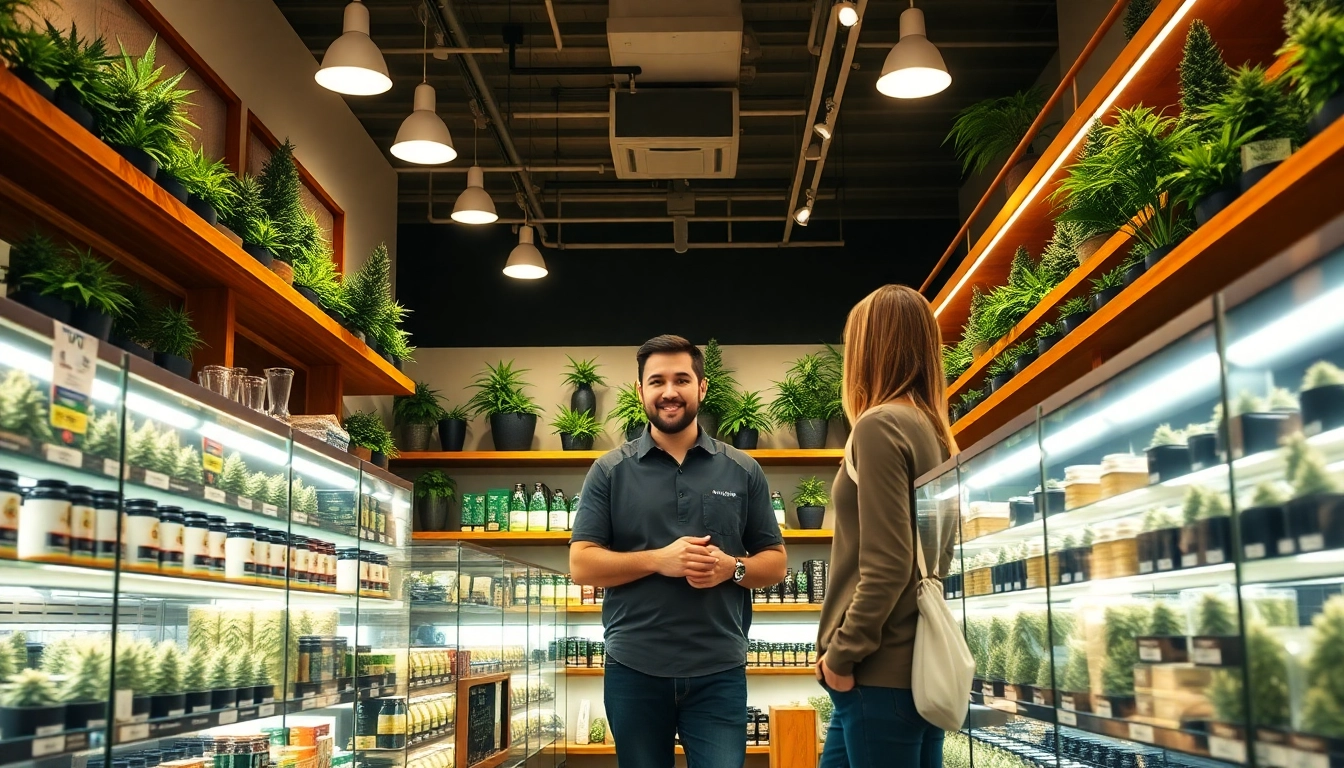
Discover a vibrant weed store with welcoming displays and diverse cannabis products.

Understanding the Weed Store Landscape

The Evolution of Cannabis Retail

The retail landscape for cannabis has undergone a significant transformation over the past few decades. Initially relegated to the underground market, cannabis is now embraced legally in many jurisdictions, leading to a burgeoning industry. As laws have changed and public perception shifted, the emergence of licensed Weed Store has become a focal point for consumers seeking quality and safe cannabis products. This evolution isn’t just a matter of legality; it reflects a growing consumer demand for transparency, quality, and ethical business practices.

In the early days of legalization, cannabis sales primarily took place in dispensaries that were often basic in design and customer experience. Today, weed stores have proliferated in various forms, from sleek, high-end boutiques to community-oriented shops that emphasize organic products and sustainability. The competition has fueled innovation in product offerings, with dispensaries now curating a wide range of cannabis strains, edibles, concentrates, and accessories tailored to diverse consumer preferences.

Key Features of a Successful Weed Store

For a weed store to thrive in the competitive landscape, it needs to embody several key features. Firstly, location is paramount; stores situated in areas with high foot traffic and accessibility to their target market tend to perform better. In addition, a welcoming and informative atmosphere fosters customer loyalty, encouraging repeat visits.

An essential feature is product knowledge among staff. Employees must be well-trained in the various products offered, including information about potency, effects, and consumption methods. This expertise not only builds trust but also enhances the overall customer experience.

Moreover, successful weed stores often engage in strategic branding. A strong brand identity connects with consumers on an emotional level. This can be achieved through thoughtful marketing, engaging store design, and consistent messaging across all channels.

User Experience in Weed Stores

User experience is critical in any retail environment, and weed stores are no exception. A positive customer experience can differentiate a store from its competitors. This begins with the store layout, which should be intuitive and easy to navigate. Clear signage, product organization, and accessibility for all customers create a positive first impression.

Additionally, integrating technology can enhance user experience. Many stores now offer apps that provide real-time inventory updates, product recommendations, and loyalty programs. Creating a seamless omni-channel experience where customers can shop online and in-store increases convenience and satisfaction.

Finally, fostering a sense of community through workshops, educational sessions, and events can significantly enhance user experience. By engaging customers beyond simple transactions, weed stores can cultivate loyalty and a robust customer base.

Choosing the Right Products in a Weed Store

How to Identify Quality Cannabis

Choosing the right cannabis product involves understanding key indicators of quality. First, consumers should educate themselves about the various strains and their properties. Cannabis can be broadly categorized into three types: Indica, Sativa, and Hybrid, each offering different effects. Indicas are typically more relaxing, while Sativas are stimulating and energetic. Hybrids encompass traits from both.

A crucial factor in determining quality is the visual inspection of the product. High-quality cannabis should appear vibrant and frosty, indicating the presence of trichomes—tiny crystals that contain cannabinoids and terpenes. Consumers should avoid products that look excessively dry or have an unappealing coloration.

Furthermore, reliable weed stores provide lab testing results, ensuring purchasers have access to detailed information regarding potency and the presence of contaminants. These testing results can affirm the quality and safety of the cannabis products being sold.

Different Types of Cannabis Products

The variety within cannabis products can be overwhelming for new consumers. Understanding the different product types available is vital for making informed selections. Traditional offerings include dried flower, which is the most common way to consume cannabis, often smoked or vaporized.

In addition to flower, a range of edibles—ranging from gummies to infused beverages—offer alternative consumption methods. Edibles provide a longer-lasting effect compared to smoking but can take longer to kick in, so consumers should be cautious with dosage.

Concentrates, such as oils, waxes, and shatter, offer potent doses of cannabinoids and can be used in various ways, including dabbing or infusing into food. Topicals, products designed for external application, provide localized relief without the psychoactive effects. Understanding these categories equips consumers to make choices aligned with their preferences and needs.

Considerations for Selecting Product Varieties

When selecting cannabis products, consumers must consider several factors beyond just personal preference. Understanding the desired effect is crucial; whether looking for relaxation, pain relief, or creative stimulation, specific strains and product types cater to these needs.

Additionally, awareness of tolerance levels plays a role in product selection. For newcomers or those with lower tolerances, starting with lower potency products or micro-dosing is advisable to mitigate overwhelming effects.

Lastly, consumers should consider the consumption method. Different methods affect the onset and length of effects. For example, smoking or vaping leads to rapid onset, while edibles may take longer to produce effects. Matching the method of consumption to the desired experience enhances satisfaction.

Navigating Local Regulations for Your Weed Store

Understanding State and Local Laws

Operating a successful weed store requires a thorough understanding of state and local cannabis laws. These regulations dictate everything from product sourcing and labeling to sales and advertising practices. Cannabis laws can vary dramatically from state to state, or even within municipalities, incorporating rules around age restrictions, allowable THC levels, and advertising regulations.

Continual education on evolving legislation is essential for compliance and successful business operations. Regular workshops and consultations with legal experts can be beneficial in staying ahead of regulatory changes.

Licensing Requirements for Weed Stores

Licensing is a foundational component of operating a weed store. Each state maintains its own requirements for obtaining the necessary permits to operate. Typically, this involves a rigorous application process complete with background checks, financial disclosures, and operational plans.

Moreover, license types can vary based on the products sold, such as retail dispensary licenses or medical cannabis licenses. Understanding the specific requirements for the desired license type is crucial for business owners and can influence operational strategies.

Best Practices for Compliance and Safety

Ensuring compliance and safety in a weed store goes beyond legal requirements. Implementing standard operating procedures (SOPs) helps maintain a safe environment for both employees and customers. This includes training staff on compliance and safety, maintaining accurate record-keeping, and conducting regular safety audits.

Further, safety measures should encompass inventory management, secure storage of cannabis products, and proper disposal of waste. Educating customers about responsible consumption practices also plays a vital role in promoting a safe experience.

Marketing Strategies to Promote Your Weed Store

Effective Online Marketing Techniques

Marketing for a weed store necessitates a strategic approach. Digital marketing is essential, as it allows businesses to reach a broad audience through various channels. Search engine optimization (SEO) serves as a foundational strategy to enhance online visibility, focusing on targeted keywords like “cannabis dispensary,” “top-shelf cannabis,” and, notably, “weed store.”

Social media platforms provide opportunities for engagement and brand building. However, navigating advertising restrictions for cannabis products is critical. Engaging content, education-driven posts, and community engagement can cultivate a loyal following even within these constraints.

Email marketing also offers a valuable avenue for reaching customers directly. Newsletters featuring product highlights, educational content, and exclusive offers can drive traffic and foster customer relationships.

Engagement Through Promotions and Events

Offering promotions and hosting events are highly effective strategies for increasing foot traffic and building community ties. Seasonal promotions, clearance sales, and loyalty programs can entice first-time customers while retaining existing ones.

Events like product launches, educational workshops, and community gatherings create an engaging atmosphere that positions the weed store as a trusted resource. By collaborating with local organizations or cannabis experts, stores can develop events that provide real value to attendees, further enhancing brand loyalty.

Building a Community Around Your Weed Store

Building a sense of community can significantly enhance the success of a weed store. Engaging regularly with customers, both online and offline, fosters loyalty and mutual respect. Platforms that allow feedback and reviews can help shape the customer experience, giving shoppers an opportunity to voice their opinions and suggest improvements.

Additionally, participating in local initiatives and collaborating with neighboring businesses can strengthen community ties. By positioning the weed store as a community-focused business, owners cultivate a positive reputation and enhance customer relationships.

Measuring Success and Adapting in the Industry

Key Performance Metrics for Weed Stores

Regularly measuring performance is vital for understanding the health of a weed store. Key performance indicators (KPIs) may include sales revenue, foot traffic, customer retention rates, and average transaction value. Monitoring these metrics provides insights into sales trends, guiding inventory purchases and marketing strategies.

Moreover, analyzing customer demographics and purchasing behavior can aid in refining marketing efforts and tailoring product offerings to meet specific customer needs. Successful stores adapt to these analytics to nurture growth and profitability.

Utilizing Customer Feedback for Improvement

Customer feedback is invaluable for improving operations and enhancing the customer experience. Creating structured platforms for feedback collection, such as surveys or comment cards, enables businesses to capture insights on what customers appreciate and where they see room for improvement.

Addressing feedback transparently fosters trust and showcases responsiveness to customer needs, thereby cementing loyalty. Moreover, implementing actionable changes based on this feedback demonstrates a commitment to continuous improvement.

Future Trends in the Cannabis Market

The cannabis industry is dynamic, with emerging trends continually reshaping the market. One notable trend is the increasing demand for sustainable and organic products as consumers become more environmentally conscious. This trend opens opportunities for weed stores that prioritize ethical sourcing and eco-friendly practices.

Another evolving trend is the rise of personalized experiences driven by technology. As consumers seek products tailored to their unique preferences, weed stores can leverage data analytics to deliver customized recommendations, further enhancing customer satisfaction and loyalty.

Furthermore, the growing acceptance of cannabis will most likely lead to increased opportunities for research and innovation in product development. Staying abreast of these trends positions weed stores not just as retailers but as leaders in the evolving cannabis landscape.
Posted on

Insider’s Guide to Navigating Your Local Weed Store Effectively

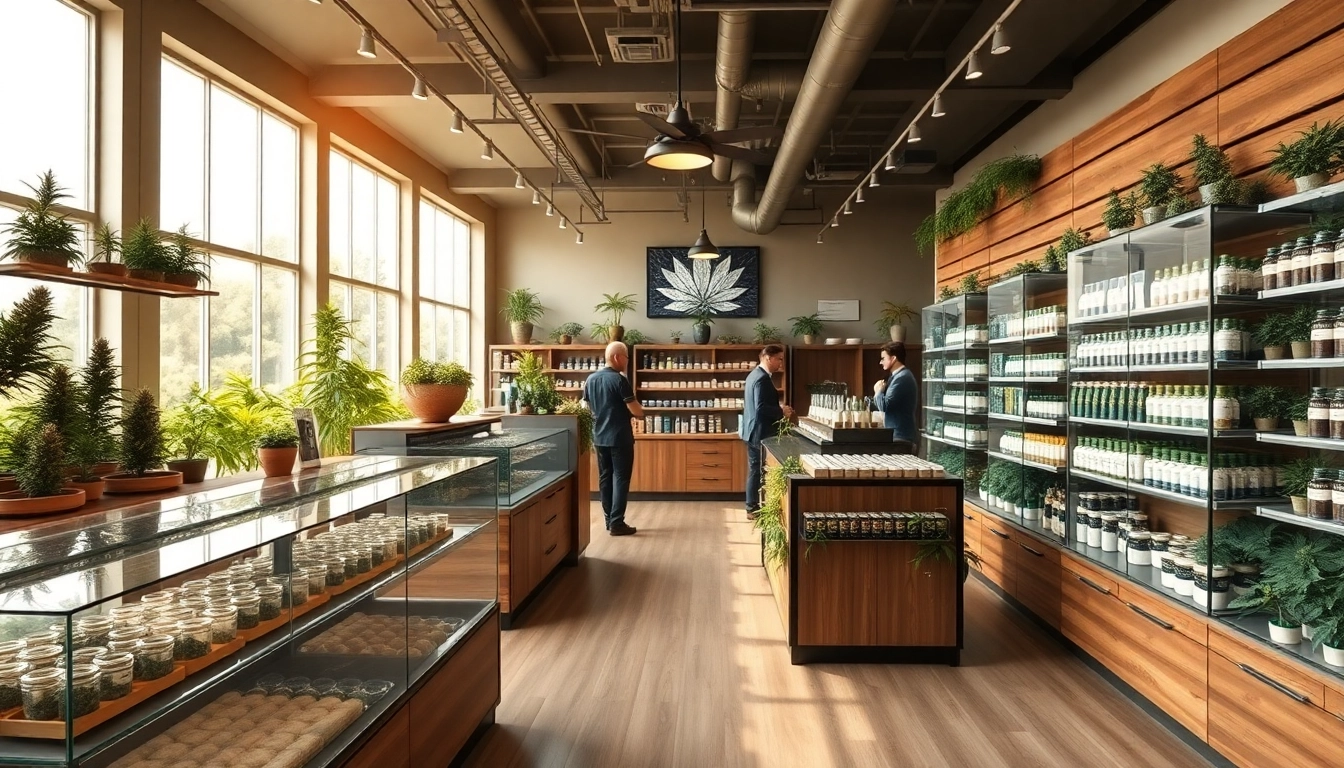
Engaging Weed Store interior showcasing products and knowledgeable staff helping customers.

Understanding the Weed Store Experience

Visiting a Weed Store can be an enlightening experience, especially for those who are new to cannabis. The atmosphere is often welcoming and filled with a sense of community. As legal restrictions begin to ease across various states, more individuals are seeking out cannabis products for both recreational and medicinal purposes. Understanding what to expect can help improve your experience and ensure you gain the benefits you’re looking for.

What to Expect When Entering a Weed Store

Your first visit to a weed store might feel a bit overwhelming, but it’s important to know what to expect. Typically, you’ll be greeted by a friendly staff member who will guide you through the process. Weed stores have a clean and organized layout, with products displayed in a manner that helps to facilitate selection. You’ll likely see displays for various strains, edibles, oils, and accessories. Depending on your location, there may be restrictions that dictate whether products can be consumed in-store or if sampling is available.

Types of Cannabis Products Available

One of the most significant aspects of visiting a weed store is the diversity of products. Cannabis offerings have evolved from simply dried flowers to include a range of products such as:

  • Flower: The traditional form of cannabis, available in various strains with differing effects.
  • Edibles: Foods infused with cannabis, such as gummies, chocolates, and beverages.
  • Concentrates: Highly potent forms of cannabis, like oils and waxes, often used in vapes or dabbing.
  • Topicals: Creams and balms infused with cannabis for localized relief.
  • Tinctures: Liquid forms of cannabis that are taken sublingually for quick absorption.

Understanding the full range of products available is crucial to making informed choices based on your needs.

Importance of Staff Knowledge in Weed Stores

The knowledge of the staff in a weed store can significantly enhance your experience. Budtenders are trained to understand the different strains, effects, and product formulations. They can provide personalized recommendations based on your wellness goals or desired effects, making your visit easier and more enjoyable. Don’t hesitate to ask questions about product origins, effects, or usage guidelines. A knowledgeable staff member can help demystify cannabis and guide you through the options available.

Navigating Cannabis Product Choices

Different Strains: Indica vs. Sativa

Cannabis strains are typically categorized into two main types: Indica and Sativa. Each has its own set of effects and benefits:

  • Indica: Generally known for its relaxing effects. Indica strains are recommended for evening use, often aiding in sleep and relaxation.
  • Sativa: Typically associated with energizing and uplifting effects, Sativa strains may be better suited for daytime use or social situations.

Hybrid strains, which contain elements of both Indica and Sativa, are also popular. It’s important to communicate your intended use with the budtender to ensure you receive a recommendation that aligns with your needs.

Edibles, Oils, and Concentrates Explained

For those who prefer forms of cannabis beyond smoking, edibles, oils, and concentrates offer versatile options:

  • Edibles: Dosage can be tricky, so start with a small amount and wait to feel the effects before consuming more. Edibles typically take longer to kick in compared to smoking.
  • Oils: Often used for sublingual consumption or in cooking, cannabis oils come in various concentrations and can provide precise dosing.
  • Concentrates: These are potent forms of cannabis and should be approached with caution. Beginners should seek guidance on proper usage methods.

Each product type offers a unique method of consumption and can cater to specific preferences or needs.

Making Informed Decisions Based on Effects

Understanding the effects of different cannabis products is critical for effective consumption. Generally, cannabis affects individuals differently based on factors such as body chemistry, tolerance, and intended use. Consider the following tips:

  • Research and understand cannabinoid profiles on product labels.
  • Start with lower doses to gauge your reaction.
  • Monitor the time it takes for effects to manifest, especially with edibles.

By keeping personal experiences in mind, you can make informed choices that help minimize unwanted effects and enhance your cannabis experience.

Buying Cannabis: Tips for First-Time Visitors

What Questions to Ask Staff at the Weed Store

When visiting a weed store for the first time, asking the right questions can help you navigate your purchase more effectively. Consider asking:

  • What strain do you recommend for [specific effect]?
  • What are the differences in potency among the available products?
  • Are there any specials or promotions currently available?

Your budtender’s responses can provide insights that may significantly enhance your experience.

Understanding Pricing and Quality

Pricing can vary widely based on product quality, strain, and form. Understanding the price range typical for various products can help you make informed choices. While cheaper options are available, investing in quality products often results in a better experience. Factors influencing price include:

  • The cultivation method (indoor vs. outdoor).
  • The strain’s rarity or popularity.
  • Product form (flower versus edibles versus concentrates).

Don’t hesitate to inquire about the quality indicators that justify the price.

How to Choose the Right Product for Your Needs

Choosing the right product is largely based on your desire for effects, personal preferences, and lifestyle. If you are seeking relaxation after a long day, an Indica strain might be your best bet. Conversely, if you’re looking to enhance creativity or social interactions, consider a Sativa strain. It’s wise to maintain an open mind—trying out various product types can help you discover what aligns best with your tastes and needs.

The Role of Local Regulations in Weed Stores

Navigating Legal Requirements When Visiting a Weed Store

The legality of cannabis varies significantly by location. Familiarize yourself with local laws regarding the purchase and use of cannabis. This understanding not only helps you stay within legal boundaries but also ensures that you understand the regulations governing product quality and availability. Many states require you to be twenty-one years or older to purchase cannabis, while some have stricter guidelines.

Age Restrictions and Identification Checks

Most weed stores require valid identification to enter and purchase products. Be prepared to provide proof of age, as this is a vital part of complying with legal regulations. Typically, photo identification such as a driver’s license or state ID is acceptable.

Understanding Product Labels and Compliance

Product labeling is a crucial element of transparency in the cannabis industry. Understanding product labels ensures you’re not only compliant with regulations but also informed about what you are consuming. Key aspects to look for include:

  • THC and CBD content: This will help gauge the potency of the product.
  • Ingredients: Knowing what is in your cannabis product can help avoid allergens or unwanted additives.
  • Serving size: Particularly important with edibles, knowing the serving size can help manage your dosing.

Informed choices start with understanding the product you’re purchasing.

Enhancing Your Weed Store Experience

Tips for Building a Relationship with Your Local Weed Store

Creating a rapport with your budtenders can greatly enhance your cannabis shopping experiences. As you visit the same store, feel free to share your preferences and previous experiences. Budtenders are typically eager to learn about your tastes to provide better recommendations over time. This two-way relationship can lead to a more tailored experience and access to exclusive products.

Participating in Community Events and Promotions

Many weed stores engage in community-building events. These events can include cannabis classes, product launches, and even local user meet-ups. Participating in such events not only expands your knowledge but also puts you in touch with like-minded individuals who share your interests.

Staying Updated on New Product Releases

Like any market, the cannabis industry is continuously evolving. New strains, products, and technologies emerge regularly. Regularly checking in with your local store, following them on social media, or subscribing to newsletters can keep you informed about new offerings that might align with your preferences.

Posted on

Unveiling the Benefits of Your Local Weed Store: A Guide to Quality Cannabis

Browse the diverse selection at the Weed Store with inviting ambiance and product displays.

Understanding the Basics of Weed Store

What is a Weed Store?

A Weed Store is a retail establishment specializing in the sale of cannabis products, including both medicinal and recreational items. These stores cater to a diverse clientele, appealing to those seeking therapeutic benefits and recreational users interested in the psychoactive effects of marijuana. Characteristically, a weed store may offer various cannabis strains, edibles, tinctures, oils, and smoking accessories, all designed to enhance the user experience.

The atmosphere in a weed store might differ from traditional pharmacies or liquor stores, often creating a more welcoming environment where customers can explore and inquire about products. The presence of knowledgeable staff, often referred to as “budtenders,” provides an additional layer of service, allowing consumers to receive personalized recommendations based on their needs and preferences.

The History and Evolution of Cannabis Retail

The concept of cannabis retail has undergone significant transformation. While cannabis has been utilized for centuries, it wasn’t until the modern movements advocating for legalization began in the late 20th century that storefronts dedicated solely to cannabis emerged. The initial stages of cannabis legality were primarily focused on medicinal use, with the first licensed weed stores opening in states that legalized medical marijuana.

The trend began to shift as recreational cannabis gained acceptance. With changing regulations, more states legalized recreational sales, leading to a proliferation of marijuana dispensaries. This shift has not only changed the nature of cannabis consumption but has also fostered a culture surrounding cannabis that invites education, community engagement, and awareness about responsible use.

Legal Considerations and Regulations

Legal considerations around operating a weed store are complex and vary by location. In regions where cannabis is legal, businesses must adhere strictly to local regulations pertaining to product sourcing, sales, and distribution. Compliance with state laws regarding age restrictions, product testing, and labeling is critical for maintaining legitimacy and safety within the market.

Furthermore, staying abreast of evolving laws is paramount, as legislative changes can come swiftly. Whether it be the implementation of new taxes on sales or alterations in licensing requirements, operators of weed stores must navigate this dynamic legal landscape to thrive.

Products Offered by Weed Store

Diverse Cannabis Product Ranges

Weed stores typically house a myriad of products suitable for different preferences and needs. These can include:

  • Cannabis Flower: The most traditional form, available in countless strains with various terpene profiles and potency levels.
  • Edibles: Food products infused with cannabis, ranging from gummies to baked goods, catering to those who prefer not to smoke.
  • Concentrates: Highly potent extracts like wax, shatter, and oils that provide enhanced effects, suitable for experienced users.
  • Topicals: Cannabis-infused creams and balms designed for localized relief without psychoactive effects.
  • Tinctures: Liquid cannabis extracts taken sublingually for quick absorption and precise dosage.

Understanding Different Consumption Methods

The methods of consuming cannabis products vary widely. Each method offers a unique experience regarding onset time, intensity, and duration. Understanding these differences is essential for making informed choices:

  • Smoking: Inhalation results in immediate effects, making it a popular choice. However, it may not be appealing to everyone due to health considerations.
  • Vaping: A modern alternative to smoking, using vaporization to heat flower or concentrates without combustion, which many find more palatable.
  • Ingestion: Edibles and tinctures offer an alternative for users seeking longer-lasting effects, though they may take longer to kick in.
  • Topical Application: Creams and balms provide targeted relief without psychoactive effects, useful for conditions such as pain and inflammation.

Choosing Quality: What to Look For

When purchasing from a weed store, quality should be a priority. The following tips can help consumers identify top-notch products:

  • Check Lab Reports: Reputable weeds stores will have lab results available, indicating the potency and purity of their products.
  • Know Your Strains: Understand the different strains’ effects—Indica, Sativa, and Hybrid—and how they fit your needs.
  • Ask Questions: Engage with knowledgeable staff to inquire about sourcing, growing methods, and recommended uses based on individual needs.
  • Avoid Impulse Buying: Take time to explore and understand the product options available before making a purchase.

Shopping Experience at a Weed Store

Navigating the Store Layout

Typically, brick-and-mortar weed stores are organized to provide customers with a comfortable shopping experience. Products are often grouped according to categories, making it easier for consumers to browse. Some stores feature dedicated sections for edibles, flower, and concentrates, complete with clear signage and educational displays that provide information about product origins and effects.

Budtenders are stationed throughout the store to assist with any inquiries and guide customers through their purchases, ensuring a positive experience. Many stores prioritize a welcoming ambiance, often featuring modern decor and comfortable waiting areas.

Customer Service: What to Expect

Customer service in a weed store plays a pivotal role in enhancing the shopping experience. Staff members are typically trained to provide personalized service. Knowledgeable budtenders can help clients navigate the product offerings while offering recommendations based on individual preferences or required effects.

Quality customer service also involves setting a tone of inclusivity and respect, ensuring that all customers, both seasoned users and newcomers, feel comfortable asking questions without judgment.

Educational Resources for First-Time Visitors

First-time visitors to a weed store may feel overwhelmed by the variety of products and consumption options. Many contemporary dispensaries recognize this challenge and offer educational resources. From pamphlets to interactive displays, these resources help demystify cannabis, covering topics such as dosage, effects, and safely integrating cannabis into lifestyle activities.

Educational workshops and events may also be available, allowing consumers to learn about cannabis from community experts, develop a deeper understanding of the subtleties within the cannabis plant, and obtain valuable information on responsible use.

Health Benefits and Risks of Cannabis

Medical vs. Recreational Use

Understanding the distinction between medical and recreational cannabis use is critical for consumers. Medical cannabis is typically prescribed to alleviate symptoms associated with a variety of health conditions, including chronic pain, anxiety, and nausea. In contrast, recreational cannabis is used primarily for its psychoactive effects and is enjoyed for social engagement or relaxation.

Patients considering medical cannabis should consult with healthcare professionals to determine appropriate strains, dosages, and consumption methods tailored to their specific conditions.

Common Health Benefits from Cannabis

Research suggests several health benefits associated with cannabis use. Some of the most commonly cited benefits include:

  • Pain Relief: Cannabis can effectively alleviate various forms of chronic pain, providing an alternative to traditional pain medications.
  • Anxiety and Depression Management: Certain strains may help reduce anxiety levels and improve mood, though effects can vary widely between individuals.
  • Anti-Inflammatory Effects: Cannabis possesses natural anti-inflammatory properties, which can benefit those suffering from arthritis and other inflammatory conditions.
  • Appetite Stimulation: Cannabis is known for enhancing appetite, making it beneficial for individuals undergoing treatments that suppress appetite, such as chemotherapy.

Potential Risks and Side Effects

While cannabis has many potential benefits, it is essential to recognize the risks and side effects associated with its use. These can include:

  • Cognitive Impairment: Cannabis can affect cognitive function, particularly in inexperienced users or those consuming high-THC strains.
  • Dependence: Regular use can lead to psychological dependence in certain individuals, especially at high doses.
  • Negative Interactions: Cannabis can interact with other medications, making it essential to consult a healthcare provider before use.

Future Trends in Weed Store Industry

Emerging Products and Innovations

The cannabis industry is continually evolving, with innovative products emerging regularly. The rise of technology has facilitated the development of advanced extraction methods, resulting in more potent concentrates and new forms of edibles. Moreover, the introduction of nano-emulsified products is gaining traction, allowing for quicker and more effective absorption of cannabinoids in the body.

Additionally, sustainable practices are becoming more prevalent within the industry, with producers seeking environmentally friendly cultivation methods and packaging solutions.

Impact of Technology on Cannabis Retail

Technology is reshaping the cannabis retail landscape. From e-commerce platforms that facilitate online ordering to advanced point-of-sale systems, technology enhances customer experiences. Many weed stores leverage apps for ordering, providing product information, and even loyalty rewards, making shopping more convenient and engaging.

Virtual reality and augmented reality technologies have intrigued some retailers, allowing customers to experience product effects or learn about strains in an immersive environment, which could revolutionize the shopping experience as it continues to evolve.

Consumer Trends and Preferences

As the cannabis market matures, consumer preferences are shifting. Many users are becoming more health-conscious, seeking organic and sustainably sourced products. Additionally, there is an increasing interest in microdosing, where consumers prefer lower doses of cannabis to achieve subtle effects without overwhelming intoxication.

Moreover, as social norms around cannabis use continue to change, more consumers are advocating for transparency, demanding lab-tested products, and desiring to know the origins of the cannabis products they purchase.