Posted on

Premium Cannabis Oil For Sale Europe: Unlocking Benefits and Quality Choices

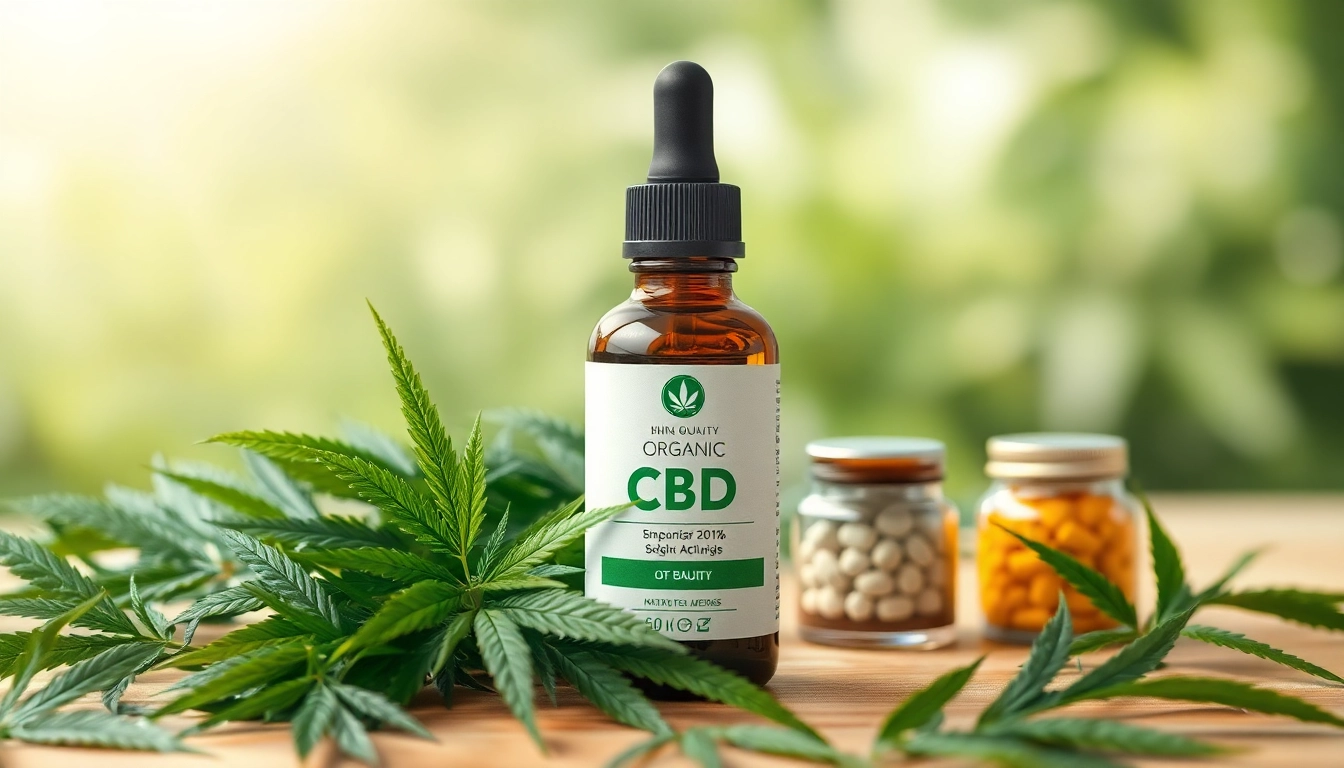
Cannabis Oil For Sale Europe presented elegantly with cannabis leaves in a vibrant, inviting setting.

1. Introduction to Cannabis Oil in Europe

Cannabis oil, derived from the cannabis plant, has gained immense popularity across Europe in recent years. This surge in demand can be attributed to increased awareness of its potential therapeutic benefits, coupled with evolving legal frameworks surrounding cannabis. For those exploring wellness alternatives, Cannabis Oil For Sale Europe offers diverse products that cater to various needs.

1.1 What is Cannabis Oil?

Cannabis oil is a concentrated liquid extracted from the cannabis plant, typically rich in cannabinoids, terpenes, and other bioactive compounds. The primary cannabinoids are tetrahydrocannabinol (THC) and cannabidiol (CBD), each offering distinct effects. While THC is known for its psychoactive properties, CBD is celebrated for its non-intoxicating therapeutic potential. Depending on the extraction method and the cannabis strain used, cannabis oil can vary in composition and effects.

1.2 The Legal Landscape in Europe

The legal status of cannabis oil in Europe varies significantly between countries. Many nations have legalized CBD-rich cannabis oil, provided it contains less than 0.2% THC. Others have embraced broader cannabis regulations. It’s crucial for consumers to be aware of their local laws, as some countries still maintain strict prohibitions on cannabis products. Staying informed is essential for making safe and legal purchases.

1.3 Understanding the Benefits of Cannabis Oil

Cannabis oil is often lauded for its potential health benefits, including pain relief, anxiety reduction, anti-inflammatory properties, and support for sleep disorders. Some studies suggest that CBD may help combat certain neurological disorders and support overall wellness. While personal experiences may vary, many users report positive outcomes, making cannabis oil a subject of ongoing research in medical science.

2. Cannabis Oil For Sale Europe: Types and Forms

The market for cannabis oil in Europe is diverse, featuring various types and forms to meet consumer preferences. Understanding the differences can help you make an informed choice.

2.1 Full-Spectrum vs. Broad-Spectrum Oils

Full-spectrum cannabis oil contains a wide range of cannabinoids, terpenes, and other compounds found in the cannabis plant, promoting the “entourage effect,” where these components work synergistically. In contrast, broad-spectrum oil is similar but typically excludes THC. The choice between the two often depends on personal preferences and desired effects, with full-spectrum oil potentially offering stronger therapeutic effects due to the presence of THC.

2.2 CBD versus THC: What You Need to Know

CBD and THC have unique properties. While THC is revered for its psychoactive effects, CBD is non-intoxicating and has garnered attention for its therapeutic potential without inducing euphoria. Depending on individual needs, selecting an oil with a higher concentration of either cannabinoid can significantly impact the experience and effectiveness.

2.3 Different Applications of Cannabis Oil

Cannabis oil can be utilized in various applications, including tinctures, capsules, topicals, and edibles. Tinctures are versatile and can be taken sublingually for faster effects, while capsules provide a precise dosage. Topicals, such as creams and balms, are designed for localized relief, and edibles offer a method for those who prefer not to taste the oil. Selecting the right application is crucial for achieving desired outcomes.

3. How to Choose Quality Cannabis Oil For Sale Europe

When shopping for cannabis oil, quality is paramount. The following factors can help you identify premium products in the market.

3.1 Key Label Indicators

Evaluating product labels can provide insights into quality. Look for information on sourcing, cannabinoid content, and additional ingredients. Certifications from relevant regulatory bodies or third-party organizations are significant indicators of compliance and quality.

3.2 The Importance of Third-Party Testing

Reputable brands often conduct third-party testing to ensure product safety and potency. These tests check for cannabinoid levels, contaminants, and overall quality, giving consumers confidence in their purchases. Always choose brands that make their test results readily available to ensure transparency.

3.3 Sourcing and Extraction Methods

The method of extraction plays a critical role in the quality of cannabis oil. Methods such as CO2 extraction are considered superior due to their ability to preserve the integrity of cannabinoids and terpenes without harmful solvents. Additionally, sourcing organic, non-GMO cannabis can further enhance the product’s purity and effectiveness.

4. Tips for Using Cannabis Oil Effectively

Successfully incorporating cannabis oil into your daily routine requires knowledge and understanding of how to use it effectively.

4.1 Recommended Dosage Guidelines

Finding the right dosage can vary significantly for each individual. It’s advisable to start with a low dose and gradually increase until the desired effects are achieved. Tracking how you feel after each dose can help identify the optimal amount for your personal needs.

4.2 Combating Common Misconceptions

Misconceptions abound concerning cannabis oil. Many believe it solely induces a psychoactive high, but this is primarily associated with THC. Additionally, concerns regarding legality are often overstated, particularly for CBD products with low THC content, which are legal in many European countries. Educating oneself can mitigate these misconceptions and encourage informed use.

4.3 Integrating Cannabis Oil into Your Wellness Routine

To reap potential benefits, consider integrating cannabis oil into your wellness routine alongside other healthy practices. Whether it’s adding oil to your morning tea or using a topical after workouts, consistency is critical. Reflecting on how it fits into your lifestyle will enhance the experience and benefits.

5. Frequently Asked Questions About Cannabis Oil For Sale Europe

5.1 Is Cannabis Oil legal in all European countries?

No, the legality of cannabis oil varies by country. While many have legalized low-THC products, others have strict regulations. Always check local laws before purchasing.

5.2 Can I use cannabis oil with other supplements?

Generally, cannabis oil can be used with other supplements. However, it is wise to consult a healthcare professional, especially if you are taking medication or have health concerns.

5.3 How long does it take for cannabis oil to take effect?

The onset of effects varies depending on the method of consumption. Tinctures may take 15-30 minutes, while edibles can take 1-2 hours. Factors like metabolism also play a role.

5.4 Are there side effects of using cannabis oil?

While generally considered safe, some users may experience side effects such as fatigue, diarrhea, or changes in appetite. Monitoring how your body reacts is essential.

5.5 How can I find reliable sellers of cannabis oil in Europe?

To find trustworthy sellers, look for brands that comply with regulations, offer third-party testing, and have positive customer reviews. Research is key to ensuring quality.
Posted on

A Comprehensive CBD Oil Dosage Guide for Safe and Effective Use

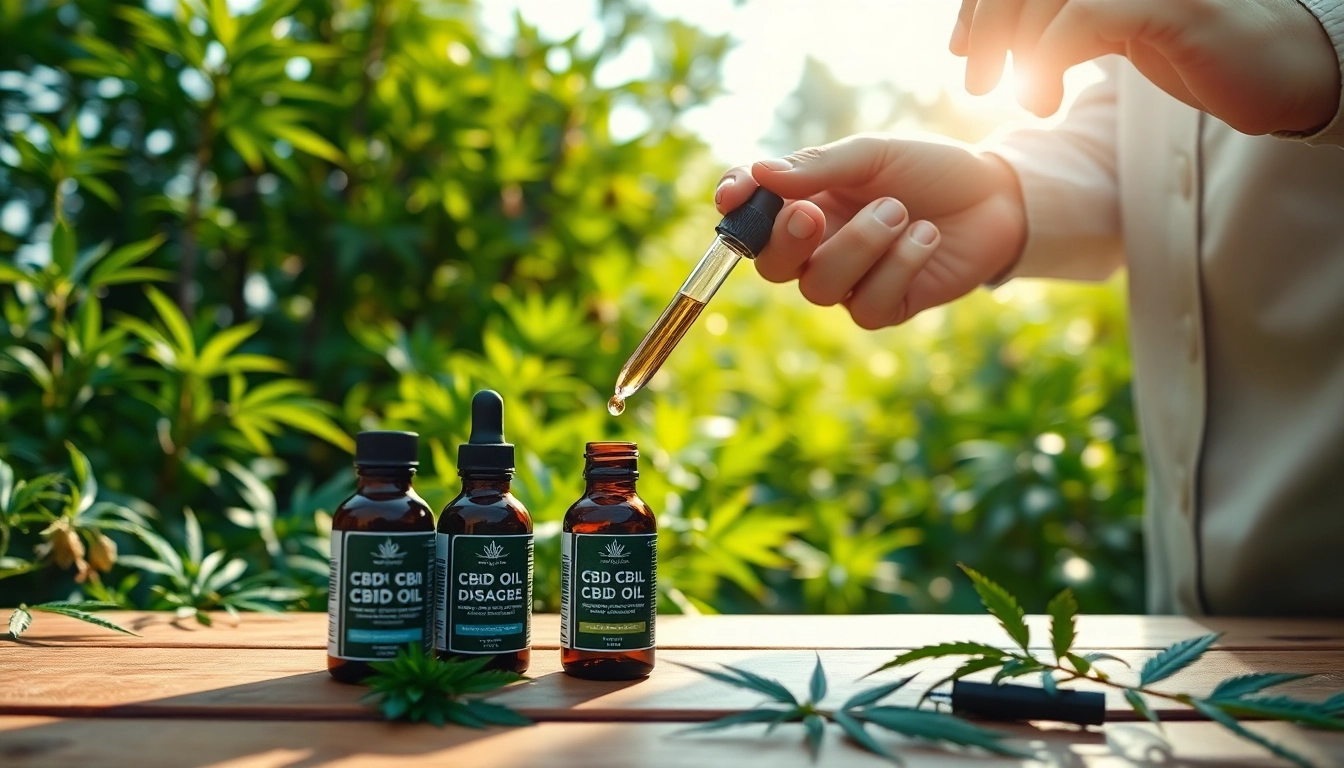
Understanding CBD oil dosage guide with an expert measuring drops in a serene herbal setting.

Introduction to CBD Oil and Its Benefits

Cannabidiol, commonly known as CBD, has surged in popularity in recent years, becoming synonymous with wellness and holistic health. As part of the hemp plant, CBD oil offers a range of therapeutic benefits without the psychoactive effects associated with its cousin, THC. This comprehensive CBD oil dosage guide will explore the essentials of CBD oil, its health benefits, and how to effectively determine and monitor your dosage for optimal results.

What is CBD Oil?

CBD oil is derived from the Cannabis sativa plant, specifically from strains that are low in THC and high in CBD. It comes in various formulations, including full-spectrum, broad-spectrum, and CBD isolate, each providing different benefits depending on the individual’s needs. Full-spectrum CBD oil contains other cannabinoids, terpenes, and compounds from the cannabis plant, offering the “entourage effect,” where these elements work synergistically to enhance therapeutic effects.

Health Benefits of CBD

CBD is touted for an array of health benefits supported by scientific research. Some of the most prominent benefits include:

  • Relief from Chronic Pain: CBD interacts with the endocannabinoid system, which plays a role in pain regulation, potentially providing relief for conditions like arthritis, migraines, and other chronic pain disorders.
  • Anxiety and Stress Reduction: Many users report that CBD helps alleviate anxiety, making it a popular choice for those suffering from social anxiety, post-traumatic stress disorder (PTSD), or general stress.
  • Improvement in Sleep Quality: By addressing underlying issues like anxiety and pain, CBD may contribute to better sleep patterns, aiding those with insomnia or sleep disorders.
  • Support for Skin Health: CBD’s anti-inflammatory properties also make it beneficial for skin conditions such as acne and eczema, by reducing inflammation and sebum production.

Understanding Cannabinoids

Cannabinoids are chemical compounds that interact with the body’s endocannabinoid system (ECS), which regulates various physiological processes. Besides CBD, there are many cannabinoids, including THC and CBG. Each has unique effects, and understanding how they function can help users choose the right product to meet their needs.

Determining Your CBD Oil Dosage

Finding the right CBD oil dosage can be challenging, as it varies for each individual based on various factors such as weight, metabolism, and the specific condition being treated. Here, we will explore how to determine your ideal CBD oil dosage.

Factors Influencing CBD Dosage

Several factors can influence how much CBD oil you should take:

  • Body Weight: Generally, heavier individuals may require a higher dosage of CBD.
  • Condition Being Treated: Those with more severe symptoms might need a higher dose to achieve the desired effects.
  • Metabolism: Metabolic rates can affect how quickly and effectively CBD is absorbed, influencing dosage needs.
  • Personal Body Chemistry: Everyone’s body reacts differently to CBD, so individual experiences can vary.

Common Dosage Recommendations

While there is no universal dosage of CBD oil, many sources suggest starting with a low dose and gradually increasing it until you find what works for you. A common starting point is between 5-10mg of CBD per day. Some other general guidelines include:

  • Light Users: 5-10mg per day
  • Average Users: 10-20mg per day
  • Heavy Users: 20-40mg per day

It’s crucial to note that these recommendations can vary based on individual needs and product concentration.

How to Start with CBD Oil Dosage

To begin with CBD oil dosage, consider these steps:

  1. Consult Healthcare Professionals: Always consult a healthcare provider before starting any new supplement, especially if you have existing health conditions or are on medications.
  2. Choose the Right Product: Start with a reputable CBD product that clearly states the concentration and provide third-party testing for purity and potency.
  3. Begin with a Low Dose: Take an initial low dose (5-10mg) once a day and monitor your body’s reactions.
  4. Monitor Your Body’s Response: Pay attention to how your body responds over several days or weeks.
  5. Adjust Gradually: If needed, gradually increase your dosage by 5mg every week until you achieve the desired effects.

Methods of Taking CBD Oil

CBD oil can be consumed in various ways, and the method of consumption can affect how quickly it takes effect and how effectively the body absorbs the compound.

Different Forms of CBD Oils

CBD oil is available in several forms, including:

  • Tinctures: Liquid extracts administered sublingually for quick absorption.
  • Capsules: Convenient options with pre-measured doses, ideal for those who prefer a straightforward method.
  • Edibles: Gummies or other food items infused with CBD, which provide a delicious way to consume CBD but may take longer to take effect.
  • Topicals: Creams or balms infused with CBD for localized relief, often used for skin conditions or joint pain.

Best Practices for Dosage Administration

For successful CBD oil consumption, consider these best practices:

  • Follow Recommendations: Always adhere to the recommended dosage instructions provided with the product.
  • Use a Dropper for Tinctures: For tinctures, use the included dropper to measure your dosage accurately.
  • Take with Food: Consuming CBD with a meal may enhance absorption and bioavailability.

Choosing the Right Method for You

Choosing the appropriate method of taking CBD oil depends on your personal preferences, lifestyle, and specific health goals. Experimenting with different methods can help you determine which works best for your individual needs.

Monitoring Effects and Adjusting Dosage

Once you begin using CBD oil, monitoring its effects and adjusting your dosage is crucial for achieving the best results.

Recognizing Benefits and Side Effects

While CBD is generally well-tolerated, some individuals may experience side effects, including fatigue, diarrhea, or changes in appetite. Recognizing both the positive benefits, such as reduced anxiety or improved sleep, and negative side effects will guide you in adjusting your dosage accordingly.

When to Adjust Your Dosage

Consider adjusting your dosage if:

  • You experience no noticeable improvements in your symptoms after several weeks.
  • You encounter adverse side effects that interfere with your quality of life.

Always make gradual adjustments, increasing or decreasing your dosage by small increments, to find the right balance.

Keeping a CBD Journal

Keeping a journal can be an effective way to track your CBD usage. Documenting your dosage, consumption method, symptoms experienced, and overall well-being can provide valuable insights into your individual response and help refine your dosage over time.

FAQs about CBD Oil Dosage Guide

What is the best starting dosage for CBD oil?

Most recommendations suggest starting between 5-10mg per day, adjusting as needed based on your body’s response.

Can CBD oil overdose occur?

While CBD is considered safe, high doses may cause side effects like fatigue or diarrhea. Always consult a healthcare professional before increasing dosage.

How long does it take for CBD oil to work?

Effects can vary. Tinctures may provide relief within 15-30 minutes, while edibles may take 1-2 hours for noticeable effects.

Is CBD oil safe for children?

While some evidence suggests potential benefits, parents should consult healthcare providers before giving CBD oil to children.

Can I mix CBD oil with other medications?

Consult a healthcare professional before combining CBD with other medications, as it may interact with certain drugs.

Posted on

Unlocking the Benefits of Organic CBD oil for Health and Wellness

Enhance your wellness with our Organic CBD oil, expertly crafted for purity and potency.

Understanding Organic CBD oil

What is Organic CBD oil?

Organic CBD oil is derived from industrial hemp plants that are grown without the use of synthetic pesticides, herbicides, or genetically modified organisms (GMOs). This pure extraction ensures that the oil retains beneficial cannabinoids, terpenes, and other nutrients essential for promoting health and wellness. Unlike regular CBD oil, which may contain trace amounts of harmful substances, Organic CBD oil is considered a cleaner, safer option for consumers seeking therapeutic benefits.

How is Organic CBD oil Made?

The manufacturing process of Organic CBD oil involves several key steps to maintain its purity and effectiveness. Initially, organic hemp is cultivated using sustainable farming practices to avoid any chemical contamination. After harvesting, the hemp undergoes a extraction process, typically using CO2 or ethanol methods, which are preferred for their ability to preserve the integrity of the cannabinoids.

Next, the extracted oil is refined to remove impurities and enhance its quality. This may involve winterization, where fats and waxes are removed, and additional filtration. Once the oil reaches the desired consistency, it is tested for potency and purity by third-party labs, ensuring it meets quality standards before being packaged for consumers.

Key Benefits of Organic CBD oil

Organic CBD oil is prized for its myriad of potential health benefits. One of the primary advantages includes its anti-inflammatory properties, which may help alleviate chronic pain and conditions such as arthritis. Furthermore, many users report increased relaxation and reduced anxiety levels due to its calming effects on the nervous system.

Additionally, Organic CBD oil is believed to aid in sleep disorders, promoting a more restful night’s sleep. Its potential neuroprotective qualities are also being explored, particularly in relation to neurodegenerative diseases. Moreover, taking Organic CBD oil could support general wellness by improving overall mood and enhancing the body’s natural balance.

Choosing the Right Organic CBD oil

Factors to Consider When Selecting Organic CBD oil

When selecting Organic CBD oil, several factors warrant careful consideration to ensure quality and effectiveness. First, sourcing matters; opting for products derived from organically certified hemp is crucial as it eliminates the risk of contaminants. Next, examine the extraction method used. CO2 extraction is often the gold standard as it guarantees a pure, potent product.

Additionally, evaluate the concentration of CBD in the oil. Some may prefer higher doses for intense therapeutic effects, while others may choose lower concentrations for milder needs. Lastly, consider product reviews and the credibility of brands, as customer feedback can provide clarity on effectiveness and quality.

Reading Labels: What You Need to Know

Understanding product labels is vital when purchasing Organic CBD oil. Look for the certificate of analysis (COA), which demonstrates third-party testing results for potency and purity. The label should also specify the amount of CBD and THC per serving, ensuring that the product is within legal limits—typically no more than 0.3% THC content for industrial hemp-based oils.

Also, pay attention to the ingredient list. Truly organic products should contain minimal ingredients, primarily the extracted oil, and possibly carrier oils such as MCT or hemp seed oil. Avoid products with fillers or artificial additives, as these may dilute the potential benefits of the Organic CBD oil.

Common Misconceptions about Organic CBD oil

There is much confusion surrounding Organic CBD oil, leading to various misconceptions. One prevalent myth is that CBD oil produces psychoactive effects akin to THC. In reality, Organic CBD oil contains minimal THC and does not induce a “high.” Another misconception is that all CBD oil is organic; however, many products are made with non-organic hemp, which may contain harmful residues from pesticides and chemicals.

Additionally, some believe that higher potency always equates to better effects, whereas the best concentration largely depends on individual needs and responses. Lastly, the notion that CBD oil is a miracle cure for all ailments is misleading; while it offers many potential benefits, it is not a substitute for professional medical advice or treatment.

Integrating Organic CBD oil into Your Routine

How to Use Organic CBD oil Effectively

Effectively incorporating Organic CBD oil into your daily routine can maximize its benefits. Many users prefer to take it sublingually by placing a few drops under the tongue, allowing for rapid absorption into the bloodstream. This method typically offers quicker onset effects compared to consuming it orally.

Alternatively, Organic CBD oil can be added to foods or beverages, giving users a flavorful way to consume it. Adding it to smoothies, salads, or even baking can provide a practical approach for those averse to the taste of the oil. For topical use, some Organic CBD oils can also be applied directly to the skin for localized relief of pain or inflammation.

Dosage Guidelines for Beginners

Determining the correct dosage of Organic CBD oil may vary significantly across individuals due to differences in weight, metabolism, and health conditions. For beginners, it is advisable to start with a low dosage, typically around 5-10 mg of CBD. Gradually increase the dosage by small increments, monitoring the body’s response, until the desired effects are achieved.

Many experts recommend keeping a dosage journal to track the amount taken and any effects felt, which can help in fine-tuning. It is essential to be patient, as finding the perfect dosage may take some time.

Combining Organic CBD oil with Other Supplements

Combining Organic CBD oil with other supplements can enhance its effects and support overall health. For example, pairing CBD with omega-3 fatty acids can promote heart health, while magnesium can support relaxation and stress relief. It is crucial, however, to consult with a healthcare provider before blending supplements to avoid any interactions or adverse reactions.

Herbal supplements like ashwagandha or valerian root, known for their calming properties, can be synergistically beneficial when used alongside CBD. Establishing the right combination can lead to a holistic approach to wellness.

Potential Risks and Side Effects of Organic CBD oil

Understanding Side Effects

While Organic CBD oil is generally well tolerated, some individuals might experience side effects. Commonly reported effects include dry mouth, fatigue, and lightheadedness. High doses may lead to gastrointestinal upset or changes in appetite. Understanding these potential side effects is vital for new users to manage their experience effectively.

It is also worth noting that individuals with specific health conditions or those taking medications should monitor their reactions closely and consider consulting a healthcare professional before use to avoid complications.

Consulting Healthcare Professionals

Before starting any new supplement regimen, particularly Organic CBD oil, consulting with a healthcare provider is highly recommended. Medical professionals can offer personalized guidance based on individual health needs, medications, and lifestyle factors. This ensures safe usage while maximizing potential benefits. Always be upfront with your healthcare provider about your plans to use CBD, as this will facilitate a thorough evaluation of any potential risks or interactions.

Identifying Quality Products

Identifying high-quality Organic CBD oil begins with attention to detail. Look for products with third-party testing results verifying their potency and purity. Quality brands often provide certificates of analysis with their products, showcasing the cannabinoid profiles and any contaminants tested for. Examining customer reviews and brand reputation can also guide you towards reputable products, as experience shared by other consumers lends credibility to their claims.

Frequently Asked Questions about Organic CBD oil

What Is the Difference Between CBD and THC?

CBD (cannabidiol) and THC (tetrahydrocannabinol) are both cannabinoids found in cannabis plants. The primary difference lies in their effects; CBD is non-psychoactive and does not produce a “high,” while THC is responsible for the psychoactive effects typically associated with marijuana use.

Can Organic CBD oil Help with Anxiety?

Many users report that Organic CBD oil helps reduce anxiety and promote a state of calm. Research suggests that CBD may interact with serotonin receptors in the brain, influencing mood and emotional responses. However, individual results may vary and further studies are needed.

How Is Organic CBD oil Extracted?

Organic CBD oil is commonly extracted using methods like CO2 or ethanol extraction. CO2 extraction is preferred as it uses pressurized carbon dioxide to pull cannabinoids and terpenes from the hemp plant, resulting in a pure, high-quality oil free from harmful residues.

Is Organic CBD oil Legal Everywhere?

Legal status varies by region; Organic CBD oil derived from hemp with less than 0.3% THC is legal in many areas, while THC-rich products remain under stricter regulations. Always check local laws regarding CBD products to ensure compliance.

How Should I Store Organic CBD oil?

Store Organic CBD oil in a cool, dark place away from direct sunlight and heat to preserve its quality. A cabinet or drawer is ideal, as exposure to light and air can degrade the product over time. Always ensure the cap is tightly closed after each use.

Posted on

Exploring the Benefits of CBD Oil for Skin: A Comprehensive Guide

Applying CBD oil for skin benefits to enhance skin rejuvenation and nourishment.

The Science Behind CBD Oil for Skin

Understanding Cannabidiol and Its Skin Benefits

Cannabidiol, commonly known as CBD, is a cannabinoid derived from the hemp plant, part of the cannabis family. Unlike its counterpart THC, CBD does not produce psychoactive effects. Instead, it has gained recognition for its potential therapeutic benefits, particularly for the skin. Research indicates that CBD possesses antioxidant, anti-inflammatory, and neuroprotective properties, making it a promising candidate for skincare.

Studies suggest that CBD can support skin health by modulating the skin’s endocannabinoid system (ECS). This system plays a critical role in regulating various skin functions, including oil production, inflammation response, and skin barrier maintenance. By interacting with the ECS, CBD oil for skin may help alleviate common skin concerns, thus improving overall skin appearance and health.

How CBD Interacts with Skin Cells

The skin is the largest organ in the body, composed of multiple layers including the epidermis, dermis, and hypodermis. In recent years, research has unfolded the complexity of the interaction between CBD and skin cells. When applied topically, CBD penetrates the skin layers and binds to the receptors in the ECS found in the skin cells. This interaction helps in reducing inflammation, which can be beneficial for conditions like eczema and psoriasis.

Moreover, the anti-inflammatory properties of CBD are supported by findings that suggest it inhibits the production of certain pro-inflammatory cytokines, leading to decreased redness and swelling in affected areas. This modulation of inflammation not only promotes healing but can also enhance the overall texture and tone of the skin.

The Role of Cannabinoids in Skincare

Cannabinoids can serve a variety of purposes in skincare, primarily through their interactions with the skin’s ECS. Cannabinoids like CBD have been shown to regulate sebaceous gland activity, thus influencing oil production. This is particularly relevant for individuals with oily or acne-prone skin, where overproduction of sebum can lead to clogged pores and breakouts.

Additionally, cannabinoids can provide a protective barrier against oxidative stress caused by environmental pollutants and sun exposure. The incorporation of CBD into skincare products can help mitigate the damage caused by free radicals, enhancing the skin’s resilience and promoting a youthful appearance.

Benefits of Using CBD Oil for Skin

Hydration and Moisture Retention

One of the primary benefits of CBD oil for skin is its ability to enhance hydration and moisture retention. Many CBD-infused products feature emollient properties, which help to soften and soothe the skin. By strengthening the skin barrier, CBD can prevent moisture loss, keeping the skin hydrated and plump.

Moreover, CBD’s lipid profile closely resembles the skin’s natural oils, allowing for deep penetration and effective moisturization. This makes it an excellent choice for individuals with dry or sensitive skin, as it can provide relief from dryness while minimizing irritation.

Anti-Inflammatory Properties for Skin Issues

Inflammation is at the core of many skin disorders, including rosacea, acne, and psoriasis. CBD is widely recognized for its strong anti-inflammatory action, which can help alleviate symptoms associated with these conditions. By reducing redness and irritation, CBD can contribute to clearer, healthier-looking skin.

Clinical studies have demonstrated that topically applied CBD can effectively diminish inflammatory markers, promoting skin recovery without the harsh side effects associated with traditional anti-inflammatory medications. This makes CBD an attractive alternative for those looking to manage chronic skin conditions with fewer adverse reactions.

Assisting in Acne Treatment

Acne is a multifactorial skin condition characterized by the clogging of pores with excess oil, dead skin cells, and bacteria. Research has shown that CBD oil plays a vital role in treating acne by regulating the production of sebum, thus preventing the formation of comedones (clogs). Additionally, CBD’s antibacterial properties can help reduce the presence of acne-causing bacteria on the skin.

Furthermore, CBD’s anti-inflammatory properties can help mitigate the redness and swelling associated with active acne lesions, promoting quicker healing and minimizing scarring. Users have reported significant improvements in their skin texture and clarity after incorporating CBD oil into their skincare routines.

Different Forms of CBD Oil for Skin

Choosing the Right Product: Oils, Creams, and Serums

CBD oil for skin is available in various forms, including oils, creams, balms, and serums. Each product type offers unique benefits, catering to different skin types and concerns. For example, lightweight oils are excellent for quick absorption and hydration, while thicker creams and balms provide intense moisturization and protective barriers for dry or compromised skin.

When selecting a CBD product, it’s essential to consider the specific effects desired, the ingredients used, and the consistency that best suits one’s skin type. Products enriched with additional beneficial compounds like essential oils, vitamins, or other botanical extracts can provide synergistic effects for enhanced skincare outcomes.

Dosage and Application Methods

The dosage of CBD oil for skin can vary greatly depending on individual skin types and conditions. Starting with a small amount is advisable, increasing gradually until the desired effect is achieved. When applying CBD oil, it is advisable to use it consistently, focusing on clean, dry skin for optimal absorption.

Common application methods include direct topical application for localized issues, as well as incorporation into overall skincare routines through creams or serums. Patch testing new products can also help to identify any adverse reactions.

Evaluating Product Quality and Purity

With the growing popularity of CBD in skincare, product quality can vary significantly across brands. To ensure safety and efficacy, it’s crucial to evaluate the quality of CBD products. Look for third-party lab testing, indicating that the product has been independently verified for purity and potency.

Additionally, consider products that source their CBD from organic, non-GMO hemp and avoid synthetic additives or preservatives. High-quality CBD oil should be free from harmful contaminants and should contain minimal levels of THC, complying with legal standards.

Incorporating CBD Oil into Your Skincare Routine

Morning vs. Nighttime Applications

Integrating CBD oil into a skincare routine can be tailored depending on personal preferences and skin needs. Morning applications might focus on hydration and protection, ideally pairing CBD with other antioxidants to shield the skin from environmental damage throughout the day.

Nighttime routines may utilize CBD’s healing properties, allowing the skin to repair and rejuvenate overnight. After cleansing, applying a thicker formulation like a cream or balm can lock in moisture and enhance the skin’s restorative processes during sleep.

Complementary Ingredients to Use with CBD Oil

Combining CBD oil with complementary ingredients can amplify its effects. Ingredients like hyaluronic acid can enhance hydration, while vitamins C and E provide antioxidant protection. Additionally, soothing elements such as aloe vera or chamomile can further reduce inflammation and nourish the skin.

It’s essential to choose products that work well together and to monitor the skin’s response to avoid irritation. Always patch test new combinations to ensure compatibility and effectiveness.

DIY CBD Skincare Recipes

For those inclined toward a DIY approach, there are numerous recipes that incorporate CBD oil for tailored skincare solutions. A simple approach involves mixing CBD oil into a base of carrier oils, such as jojoba or almond oil, to create a hydrating serum.

Another option is to combine CBD oil with shea butter and essential oils for a nourishing body balm that can soothe dry skin. These homemade remedies can ensure quality control over ingredients while delivering personalized skincare benefits.

Potential Side Effects and Considerations

Possible Allergic Reactions and Sensitivities

While CBD is generally considered safe, some individuals may experience allergic reactions or sensitivities, particularly to the carrier oils or other ingredients in CBD products. Common symptoms can include redness, itching, or rash. Performing a patch test before full application is highly recommended, especially for those with sensitive skin.

Consulting with Skincare Professionals

Before incorporating CBD oil into your skincare regimen, especially for treating specific skin conditions, it is advisable to consult with dermatologists or skincare professionals. They can provide tailored advice based on individual skin types and needs, helping to mitigate risks and enhance results.

Regulatory Considerations for CBD Products

The regulatory framework surrounding CBD products varies by region, impacting their availability and guidelines for use. It’s essential to stay informed about local regulations to ensure compliance and to choose products that adhere to safety standards. Consumers should prioritize purchasing from reputable sources that provide transparency regarding their product sourcing and testing.

Posted on

Understanding CBD Oil: Benefits, Uses, and Insights into Extraction

Showcase high-quality CBD Oil bottle amidst fresh herbs, emphasizing natural wellness.

What is CBD Oil?

Definition and Composition of CBD Oil

Cannabidiol, commonly known as CBD, is one of over 100 compounds found in the cannabis plant. This compound has garnered significant attention for its potential health benefits and therapeutic properties. Unlike tetrahydrocannabinol (THC), which is the psychoactive component of cannabis, CBD is non-psychoactive, meaning it does not produce a “high”. CBD Oil is typically derived from hemp plants that contain high levels of CBD and low levels of THC.

CBD oil is extracted from the flowers, leaves, and stalks of the hemp plant using a variety of extraction methods. The end product is a thick, viscous liquid that can range in color from golden to dark brown. It is often mixed with a carrier oil—such as coconut oil or hemp seed oil—to enhance absorption in the body. The composition of CBD oil may include other beneficial cannabinoids, terpenes, and flavonoids, contributing to what is commonly referred to as the “entourage effect”. This effect suggests that the combined compounds may work synergistically to enhance the therapeutic benefits compared to isolated compounds.

Extraction Methods for CBD Oil

The extraction of CBD oil from hemp plants can be performed through several methods, each varying in efficiency, safety, and quality of the end product. The main extraction techniques include:

  • CO2 Extraction: This is the most common and effective method used in the industry. It involves using supercritical CO2 to pull CBD and other phytochemicals from the plant. The benefits of CO2 extraction include high purity and no residual solvents.
  • Solvent Extraction: Ethanol, butane, or alcohol are used to dissolve the plant’s material and extract its cannabinoids. While this method is effective, it may leave harmful residual solvents if not done properly.
  • Olive Oil Extraction: This method involves heating the hemp plant with olive oil to extract cannabinoids. It is a simple and cost-effective method, but it produces a lower potency CBD oil that has a shorter shelf life.
  • Steam Distillation: This process uses steam to separate CBD oil from other plant components. It is less common due to the potential degradation of heat-sensitive phytochemicals.

Differences Between CBD Oil and Other Cannabis Products

Understanding the distinctions between CBD oil and other cannabis products is crucial for consumers seeking specific therapeutic benefits. The key differences include:

  • CBD Oil: Primarily contains CBD with little to no THC, making it non-psychoactive. It’s typically used for therapeutic benefits such as pain relief, anxiety reduction, and anti-inflammatory properties.
  • Full-Spectrum Cannabinoids: This type of oil contains all cannabinoids present in the cannabis plant, including THC. The presence of THC can enhance the overall effects, but it may also trigger a psychoactive response.
  • Broad-Spectrum Cannabinoids: Similar to full-spectrum, but it is processed to remove all THC while retaining other cannabinoids and terpenes, providing some benefits without THC’s psychoactive effects.
  • CBD Isolate: This is the purest form of CBD, usually appearing as a crystalline powder. It contains 99% pure CBD and is used for those who want to avoid any THC or other cannabinoids.

Health Benefits of CBD Oil

Pain Management and Inflammation Reduction

One of the most well-documented benefits of CBD oil lies in its potential for managing pain and reducing inflammation. Studies have shown that CBD influences the endocannabinoid system, which plays a crucial role in regulating pain and immune system responses. By interacting with cannabinoid receptors, CBD can modulate pain perception, leading to a reduction in chronic pain conditions such as arthritis, multiple sclerosis, and even localized pain from injuries.

Research indicates that CBD oil may also be beneficial in neurological pain management. It has been suggested as an adjunct treatment for neuropathic pain, where traditional pain medications often fall short. Moreover, its anti-inflammatory properties personalize it as a potential therapeutic option for autoimmune diseases and other inflammatory conditions.

Potential Effects on Anxiety and Stress

Anxiety and stress are prevalent problems affecting millions of individuals globally. Preliminary research has demonstrated that CBD oil may help alleviate symptoms of anxiety by modulating serotonin receptors in the brain, which play a key role in mood regulation. A variety of studies indicate that doses of CBD significantly reduce anxiety-related behaviors in animals, and human studies suggest that it may be effective in treating social anxiety disorder, generalized anxiety, and post-traumatic stress disorder (PTSD).

In clinical settings, CBD has been explored as a treatment option for patients suffering from anxiety disorders, showcasing promising results in both reducing anxiety levels and improving overall mood. Its sedative effects may also help individuals manage stress in daily life, providing a sense of calm without the side effects commonly associated with pharmaceuticals.

Impact on Sleep and Recovery

Sleep disorders are increasingly common, impacting individuals’ overall health and wellness. CBD oil may play a beneficial role in improving sleep quality and promoting a healthy sleep cycle. Its anxiolytic properties help individuals unwind and sleep more soundly. Studies have reported that CBD may increase total sleep time and reduce insomnia, making it a compelling option for those who struggle with sleep issues.

Additionally, for active individuals and athletes, CBD has been recognized for its potential to enhance recovery post-exercise. Its anti-inflammatory nature may facilitate muscle repair and reduce soreness, aiding athletes in achieving better performance and quicker recovery times. Overall, consuming CBD oil can contribute to a more restful night and more effective recovery after physical exertion.

How to Use CBD Oil Effectively

Different Forms of CBD Oil Products

CBD oil is available in various forms, enabling consumers to choose the method of use that best suits them. These forms include:

  • Tinctures: Concentrated liquid extracts that can be taken sublingually (under the tongue) for quicker absorption. Ideal for precise dosage control.
  • Capsules: Pre-measured doses of CBD oil in capsule form, providing convenience and exact dosage, though they may take longer to take effect.
  • Edibles: CBD-infused food items such as gummies or beverages. These provide a tasty alternative but can also delay onset.
  • Topicals: Creams, balms, and lotions infused with CBD oil for localized relief of pain and inflammation. These are ideal for targeted treatment.

Dosage Recommendations and Guidelines

Dosing CBD oil can vary significantly between individuals, as factors such as body weight, metabolism, and individual health conditions play a role. Generally, it’s advised to start with a low dose and gradually increase until desired effects are achieved. The following guidelines can help determine an appropriate dosage:

  • Start with a low dose, typically 5-10 mg of CBD.
  • Monitor how you feel for a few days and gradually increase the dose by 5 mg if needed, up to 50-100 mg based on individual response.
  • Consider factors such as the method of ingestion (tincture, edible, etc.), as this affects bioavailability and how quickly effects are felt.

Best Practices for Consumption

To maximize the effectiveness of CBD oil, adhering to the following best practices can be beneficial:

  • Consistent Use: Establishing a routine by taking CBD oil at the same time each day can promote more stable levels in the body.
  • Consult a Healthcare Professional: Especially for those on medication or with underlying health conditions, discussing CBD usage with a healthcare provider ensures safe and effective use.
  • Note Your Response: Keep a journal or log to track the effects experienced. This can help adjust dosages effectively and outline which forms work best.

Understanding the Legal and Safety Aspects of CBD Oil

Regulatory Status of CBD Oil in the United States

The legal landscape for CBD oil in the United States is complex and varies by state and federal regulations. As per the 2018 Farm Bill, hemp-derived CBD products containing less than 0.3% THC are federally legal, allowing for widespread accessibility. However, individual states may impose their own regulations, which could restrict the sale and use of CBD oil. Consumers should remain aware of their local laws regarding CBD products.

Safety Considerations and Side Effects

While CBD oil is generally well-tolerated, some individuals may experience side effects. Reported side effects include drowsiness, dry mouth, diarrhea, and changes in appetite. It is essential to be aware of potential interactions with other medications, especially those with sedative effects or blood-thinning properties. Consulting with a healthcare professional before starting CBD oil can provide insights into personal safety and dosage considerations.

Consultations and Recommendations from Healthcare Professionals

Healthcare professionals can offer valuable guidance on the appropriate use of CBD oil in conjunction with other treatments. Their recommendations can assist individuals in navigating potential interactions with existing medications and underlying health conditions. It can be particularly useful to seek professional advice for conditions such as epilepsy, anxiety disorders, and chronic pain management, where CBD oil may be employed as part of a broader treatment plan.

Future Trends and Research Surrounding CBD Oil

Advancements in CBD Oil Research

As interest in CBD oil continues to grow, research is ongoing to explore its potential therapeutic applications. New studies are investigating CBD’s efficacy in treating conditions like epilepsy, various mental health disorders, and its possible neuroprotective benefits. The demand for robust clinical evidence will likely drive further funding and exploration into the medical applications of CBD oil, paving the way for new discoveries in its usage.

Market Trends and Consumer Attitudes

The CBD market is expected to expand significantly, with consumer awareness and acceptance continually rising. Surveys indicate that consumers are becoming more informed about CBD and its uses, leading to a higher demand for quality products. With an increasing focus on wellness and natural remedies, the trend towards holistic health solutions fuels the growth of the CBD oil market.

Potential Innovations in CBD Oil Products

The future of CBD oil products is bright, with potential innovations on the horizon. This can include the development of improved delivery methods such as nanoemulsion technology, which enhances the bioavailability of CBD, allowing for lower doses and faster onset of effects. Additionally, products that combine CBD with other beneficial compounds—such as adaptogens or traditional herbal ingredients—can lead to enhanced therapeutic effects and cater to a wider range of consumer needs.

Posted on

Health Benefits and Uses of CBD Oil for Wellness

Discover the soothing benefits of CBD Oil showcased elegantly in a serene home environment.

Understanding CBD Oil: An Introduction

What is CBD Oil?

CBD Oil, or cannabidiol oil, is a natural extract derived from the cannabis plant. Unlike THC (tetrahydrocannabinol), which is the psychoactive component of cannabis that produces feelings of euphoria or “high,” CBD is non-psychoactive. This attribute has made CBD Oil particularly appealing for those seeking therapeutic benefits without the mind-altering effects of cannabis. Extracted primarily from hemp plants, which have low levels of THC, CBD Oil is increasingly gained recognition for its potential health benefits.

Not only do many consumers view CBD Oil as a natural remedy for various ailments, but it has also been the subject of extensive research in recent years. Among its potential uses are anxiety reduction, pain relief, and anti-inflammatory effects, making it a versatile addition to both personal health regimens and wellness products. Many health enthusiasts are integrating this compound into their lifestyles, appreciating its adaptability and effectiveness in promoting overall well-being. For more insights on this burgeoning topic, visit CBD Oil.

The History of CBD Oil

The use of cannabis for medicinal purposes is not a new phenomenon; it dates back thousands of years. However, the focus on CBD specifically began in the 20th century, with scientists first discovering the compound in the 1940s. This laid the groundwork for later research, particularly during the 1990s when the endocannabinoid system, which interacts with CBD, was identified. Understanding this system has been vital in uncovering how CBD Oil works within the body and its therapeutic potential.

As public interest surged in the health benefits of CBD Oil in the 21st century, several states in the U.S. began to legalize hemp cultivation, further paving the way for CBD products to enter the market. The 2018 Farm Bill was a significant turning point, allowing for the legal production and distribution of hemp-derived CBD products. This pivotal legislation sparked a vast array of CBD Oil products, from tinctures to topicals, finding their way into consumers’ hands.

How CBD Oil Works in the Body

The efficacy of CBD Oil is connected to its interaction with the human endocannabinoid system (ECS), which plays a crucial role in regulating various physiological processes including pain perception, mood, immune response, and stress. The ECS consists of cannabinoid receptors (CB1 and CB2), endogenous cannabinoids produced by the body, and the enzymes that break them down.

When CBD is introduced into the body, it interacts primarily with the CB2 receptors found in the immune system. This interaction can promote various health benefits, including anti-inflammatory effects and pain relief. Furthermore, CBD may help modulate the release of neurotransmitters, which can alter mood and minimize anxiety, providing a holistic approach to managing stress and discomfort.

Potential Health Benefits of CBD Oil

Pain Relief with CBD Oil

Chronic pain afflicts millions of individuals worldwide, often leading to significant disruptions in daily life. Many studies indicate that CBD Oil may be effective in managing different types of pain, including neuropathic pain, arthritis, and fibromyalgia. The mechanism of action primarily involves the modulation of pain signals through the endocannabinoid system.

In clinical trials, participants taking CBD Oil reported reductions in both pain intensity and discomfort associated with various conditions. The oil’s anti-inflammatory properties may also contribute to its effectiveness, potentially reducing the underlying causes of pain, such as inflammation in joints, muscles, and tissues. Additionally, CBD may offer a safe alternative to opioids, with fewer risks of dependency and side effects.

CBD Oil for Anxiety and Stress Management

Anxiety disorders are among the most common mental health conditions globally, often requiring therapeutic intervention. Research has illustrated that CBD Oil may be beneficial in alleviating symptoms of anxiety and promoting a sense of calm without causing sedative effects. Studies show that CBD can reduce anxiety in both animal models and humans, suggesting its potential as a treatment option.

Users have reported feeling more relaxed and less overwhelmed when using CBD Oil regularly. The compound’s ability to influence serotonin receptors in the brain is believed to help regulate mood and anxiety levels. Additionally, its calming effects may assist with stress-induced conditions, making it an attractive option for those seeking natural stress relief.

Reducing Inflammation with CBD Oil

Chronic inflammation is linked to various diseases, including heart disease, diabetes, and autoimmune conditions. CBD Oil has gained attention for its anti-inflammatory effects, which are primarily attributed to its interaction with the endocannabinoid system. By inhibiting the release of pro-inflammatory cytokines and other mediators, CBD may significantly reduce inflammation and its associated symptoms.

For individuals suffering from conditions like arthritis or inflammatory bowel disease, incorporating CBD Oil into their health regimen may provide relief. Not only has research shown promising results, but anecdotal evidence from users supports the viability of CBD as a natural anti-inflammatory agent.

Common Uses of CBD Oil

Using CBD Oil in Daily Health Routines

Integrating CBD Oil into daily health routines is becoming increasingly popular. Many start their day with a few drops of CBD oil placed under the tongue for quick absorption, often pairing it with other wellness practices such as meditation or yoga. This approach promotes a mindful and balanced start to the day, potentially enhancing mental clarity and focus.

Additionally, some users find benefits from including CBD in their post-workout supplements, assisting in recovery and reducing muscle soreness. As CBD continues to enter various health and wellness products, its flexibility allows for incorporation into almost any routine.

Incorporating CBD Oil in Skincare

The skincare industry is witnessing a growing trend towards incorporating CBD Oil into cosmetic products, largely due to its anti-inflammatory properties and natural ability to soothe irritated skin. Research suggests that CBD may help regulate oil production, making it a potential treatment for acne and other skin conditions.

Consumers are increasingly turning to CBD-infused creams, serums, and balms for their calming effects. Formulating skincare products with CBD can benefit individuals who suffer from sensitive skin or conditions such as eczema and psoriasis, providing a natural solution for relief while aiming to improve overall skin health.

How to Use CBD Oil for Better Sleep

Sleep disturbances can wreak havoc on health and well-being. Individuals experiencing insomnia or restless sleep often turn to CBD Oil as a potential remedy. Studies indicate that CBD may improve sleep quality by addressing underlying issues such as anxiety and pain that often interfere with restful sleep.

Incorporating CBD Oil into nighttime routines—whether through oil tinctures, capsules, or gummies—has been reported to aid in quicker sleep onset and prolonged sleep duration. For best results, it’s advisable to establish a consistent routine, allowing the body to adapt to the calming effects of CBD over time.

Choosing Quality CBD Oil

What to Look for in CBD Oil Products

When selecting CBD Oil, quality is paramount. Consumers should seek products that contain third-party lab testing results to ensure they meet safety and quality standards. Additionally, verifying the source of hemp is crucial; organic, U.S.-grown hemp is often the gold standard.

Another important factor is the type of CBD used, which can be classified into three categories: full-spectrum, broad-spectrum, and CBD isolate. Full-spectrum often contains trace amounts of THC, whereas broad-spectrum retains various cannabinoids without THC. CBD isolate is the purest form, containing only CBD. Understanding these options will allow consumers to make informed choices based on their preferences and needs.

Understanding CBD Oil Labels

Reading CBD Oil labels can be challenging, but proficiency in this area is crucial for consumers. Labels should include essential information such as the concentration of CBD, serving size, and ingredients. Additionally, look for details regarding the extraction method—CO2 extraction is considered one of the safest and most effective methods.

Moreover, a reputable product will display its Certificate of Analysis (COA) on its website or packaging, indicating it has been tested for potency and contaminants, thus offering assurance of its safety and effectiveness.

Third-Party Testing for CBD Oil Quality

Independent third-party testing is a crucial aspect of ensuring quality in CBD products. This process guarantees that the product contains the advertised amount of CBD and verifies its purity by checking for harmful substances such as heavy metals, pesticides, and solvents.

Consumers are encouraged to look for products with third-party lab results readily accessible. Understanding these results can play a significant role in distinguishing high-quality CBD Oil from subpar alternatives. Trustworthy brands prioritize transparency and are eager to share testing information with their customers.

Safety and Side Effects of CBD Oil

Is CBD Oil Safe for Everyone?

While many individuals tolerate CBD Oil well, safety is an essential consideration. Research generally indicates that CBD Oil is safe for most people, but it may interact with certain medications, particularly those metabolized by the liver. Therefore, individuals considering CBD should consult with healthcare professionals, especially if they are pregnant, nursing, or taking other medications.

Furthermore, the unregulated nature of the CBD market means quality can vary significantly between products. Consumers should prioritize reputable brands that provide transparency concerning their ingredients and testing protocols to minimize potential risks.

Possible Side Effects of CBD Oil

Though typically well-tolerated, CBD Oil may cause side effects in some users. Commonly reported side effects include fatigue, changes in appetite, and diarrhea. Understanding these potential effects is crucial for individuals new to CBD use.

Consumers should begin with a low dosage to assess their tolerance, gradually increasing as needed. Monitoring one’s body’s response can help mitigate adverse effects while allowing for a better experience overall.

Consulting Healthcare Professionals about CBD Oil

For anyone considering the use of CBD Oil, consulting with a healthcare professional is advisable to ensure compatibility with existing health conditions and medications. Healthcare providers can provide personalized guidance and help determine appropriate dosages, maximizing the benefits while minimizing risks.

As the field of CBD research continues to evolve, professionals remain an essential resource for anyone delving into its potential therapeutic applications. The convergence of traditional medicine and natural remedies like CBD can create a collaborative approach to health and wellness.