
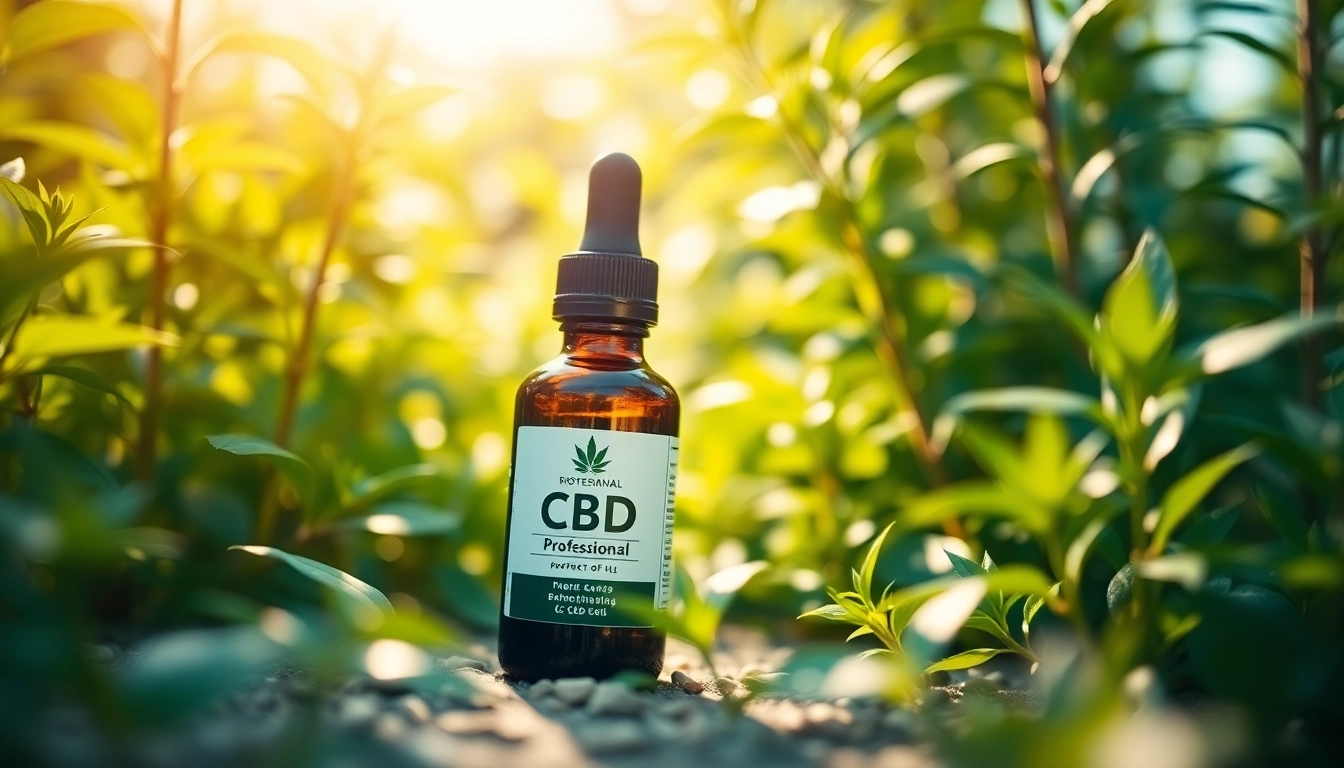
What is CBD Oil?
Definition and Composition of CBD Oil
Cannabidiol, commonly known as CBD, is one of over 100 compounds found in the cannabis plant. This compound has garnered significant attention for its potential health benefits and therapeutic properties. Unlike tetrahydrocannabinol (THC), which is the psychoactive component of cannabis, CBD is non-psychoactive, meaning it does not produce a "high". CBD Oil is typically derived from hemp plants that contain high levels of CBD and low levels of THC.
CBD oil is extracted from the flowers, leaves, and stalks of the hemp plant using a variety of extraction methods. The end product is a thick, viscous liquid that can range in color from golden to dark brown. It is often mixed with a carrier oil—such as coconut oil or hemp seed oil—to enhance absorption in the body. The composition of CBD oil may include other beneficial cannabinoids, terpenes, and flavonoids, contributing to what is commonly referred to as the "entourage effect". This effect suggests that the combined compounds may work synergistically to enhance the therapeutic benefits compared to isolated compounds.
Extraction Methods for CBD Oil
The extraction of CBD oil from hemp plants can be performed through several methods, each varying in efficiency, safety, and quality of the end product. The main extraction techniques include:
- CO2 Extraction: This is the most common and effective method used in the industry. It involves using supercritical CO2 to pull CBD and other phytochemicals from the plant. The benefits of CO2 extraction include high purity and no residual solvents.
- Solvent Extraction: Ethanol, butane, or alcohol are used to dissolve the plant's material and extract its cannabinoids. While this method is effective, it may leave harmful residual solvents if not done properly.
- Olive Oil Extraction: This method involves heating the hemp plant with olive oil to extract cannabinoids. It is a simple and cost-effective method, but it produces a lower potency CBD oil that has a shorter shelf life.
- Steam Distillation: This process uses steam to separate CBD oil from other plant components. It is less common due to the potential degradation of heat-sensitive phytochemicals.
Differences Between CBD Oil and Other Cannabis Products
Understanding the distinctions between CBD oil and other cannabis products is crucial for consumers seeking specific therapeutic benefits. The key differences include:
- CBD Oil: Primarily contains CBD with little to no THC, making it non-psychoactive. It's typically used for therapeutic benefits such as pain relief, anxiety reduction, and anti-inflammatory properties.
- Full-Spectrum Cannabinoids: This type of oil contains all cannabinoids present in the cannabis plant, including THC. The presence of THC can enhance the overall effects, but it may also trigger a psychoactive response.
- Broad-Spectrum Cannabinoids: Similar to full-spectrum, but it is processed to remove all THC while retaining other cannabinoids and terpenes, providing some benefits without THC's psychoactive effects.
- CBD Isolate: This is the purest form of CBD, usually appearing as a crystalline powder. It contains 99% pure CBD and is used for those who want to avoid any THC or other cannabinoids.
Health Benefits of CBD Oil
Pain Management and Inflammation Reduction
One of the most well-documented benefits of CBD oil lies in its potential for managing pain and reducing inflammation. Studies have shown that CBD influences the endocannabinoid system, which plays a crucial role in regulating pain and immune system responses. By interacting with cannabinoid receptors, CBD can modulate pain perception, leading to a reduction in chronic pain conditions such as arthritis, multiple sclerosis, and even localized pain from injuries.
Research indicates that CBD oil may also be beneficial in neurological pain management. It has been suggested as an adjunct treatment for neuropathic pain, where traditional pain medications often fall short. Moreover, its anti-inflammatory properties personalize it as a potential therapeutic option for autoimmune diseases and other inflammatory conditions.
Potential Effects on Anxiety and Stress
Anxiety and stress are prevalent problems affecting millions of individuals globally. Preliminary research has demonstrated that CBD oil may help alleviate symptoms of anxiety by modulating serotonin receptors in the brain, which play a key role in mood regulation. A variety of studies indicate that doses of CBD significantly reduce anxiety-related behaviors in animals, and human studies suggest that it may be effective in treating social anxiety disorder, generalized anxiety, and post-traumatic stress disorder (PTSD).
In clinical settings, CBD has been explored as a treatment option for patients suffering from anxiety disorders, showcasing promising results in both reducing anxiety levels and improving overall mood. Its sedative effects may also help individuals manage stress in daily life, providing a sense of calm without the side effects commonly associated with pharmaceuticals.
Impact on Sleep and Recovery
Sleep disorders are increasingly common, impacting individuals' overall health and wellness. CBD oil may play a beneficial role in improving sleep quality and promoting a healthy sleep cycle. Its anxiolytic properties help individuals unwind and sleep more soundly. Studies have reported that CBD may increase total sleep time and reduce insomnia, making it a compelling option for those who struggle with sleep issues.
Additionally, for active individuals and athletes, CBD has been recognized for its potential to enhance recovery post-exercise. Its anti-inflammatory nature may facilitate muscle repair and reduce soreness, aiding athletes in achieving better performance and quicker recovery times. Overall, consuming CBD oil can contribute to a more restful night and more effective recovery after physical exertion.
How to Use CBD Oil Effectively
Different Forms of CBD Oil Products
CBD oil is available in various forms, enabling consumers to choose the method of use that best suits them. These forms include:
- Tinctures: Concentrated liquid extracts that can be taken sublingually (under the tongue) for quicker absorption. Ideal for precise dosage control.
- Capsules: Pre-measured doses of CBD oil in capsule form, providing convenience and exact dosage, though they may take longer to take effect.
- Edibles: CBD-infused food items such as gummies or beverages. These provide a tasty alternative but can also delay onset.
- Topicals: Creams, balms, and lotions infused with CBD oil for localized relief of pain and inflammation. These are ideal for targeted treatment.
Dosage Recommendations and Guidelines
Dosing CBD oil can vary significantly between individuals, as factors such as body weight, metabolism, and individual health conditions play a role. Generally, it's advised to start with a low dose and gradually increase until desired effects are achieved. The following guidelines can help determine an appropriate dosage:
- Start with a low dose, typically 5-10 mg of CBD.
- Monitor how you feel for a few days and gradually increase the dose by 5 mg if needed, up to 50-100 mg based on individual response.
- Consider factors such as the method of ingestion (tincture, edible, etc.), as this affects bioavailability and how quickly effects are felt.
Best Practices for Consumption
To maximize the effectiveness of CBD oil, adhering to the following best practices can be beneficial:
- Consistent Use: Establishing a routine by taking CBD oil at the same time each day can promote more stable levels in the body.
- Consult a Healthcare Professional: Especially for those on medication or with underlying health conditions, discussing CBD usage with a healthcare provider ensures safe and effective use.
- Note Your Response: Keep a journal or log to track the effects experienced. This can help adjust dosages effectively and outline which forms work best.
Understanding the Legal and Safety Aspects of CBD Oil
Regulatory Status of CBD Oil in the United States
The legal landscape for CBD oil in the United States is complex and varies by state and federal regulations. As per the 2018 Farm Bill, hemp-derived CBD products containing less than 0.3% THC are federally legal, allowing for widespread accessibility. However, individual states may impose their own regulations, which could restrict the sale and use of CBD oil. Consumers should remain aware of their local laws regarding CBD products.
Safety Considerations and Side Effects
While CBD oil is generally well-tolerated, some individuals may experience side effects. Reported side effects include drowsiness, dry mouth, diarrhea, and changes in appetite. It is essential to be aware of potential interactions with other medications, especially those with sedative effects or blood-thinning properties. Consulting with a healthcare professional before starting CBD oil can provide insights into personal safety and dosage considerations.
Consultations and Recommendations from Healthcare Professionals
Healthcare professionals can offer valuable guidance on the appropriate use of CBD oil in conjunction with other treatments. Their recommendations can assist individuals in navigating potential interactions with existing medications and underlying health conditions. It can be particularly useful to seek professional advice for conditions such as epilepsy, anxiety disorders, and chronic pain management, where CBD oil may be employed as part of a broader treatment plan.
Future Trends and Research Surrounding CBD Oil
Advancements in CBD Oil Research
As interest in CBD oil continues to grow, research is ongoing to explore its potential therapeutic applications. New studies are investigating CBD's efficacy in treating conditions like epilepsy, various mental health disorders, and its possible neuroprotective benefits. The demand for robust clinical evidence will likely drive further funding and exploration into the medical applications of CBD oil, paving the way for new discoveries in its usage.
Market Trends and Consumer Attitudes
The CBD market is expected to expand significantly, with consumer awareness and acceptance continually rising. Surveys indicate that consumers are becoming more informed about CBD and its uses, leading to a higher demand for quality products. With an increasing focus on wellness and natural remedies, the trend towards holistic health solutions fuels the growth of the CBD oil market.
Potential Innovations in CBD Oil Products
The future of CBD oil products is bright, with potential innovations on the horizon. This can include the development of improved delivery methods such as nanoemulsion technology, which enhances the bioavailability of CBD, allowing for lower doses and faster onset of effects. Additionally, products that combine CBD with other beneficial compounds—such as adaptogens or traditional herbal ingredients—can lead to enhanced therapeutic effects and cater to a wider range of consumer needs.