
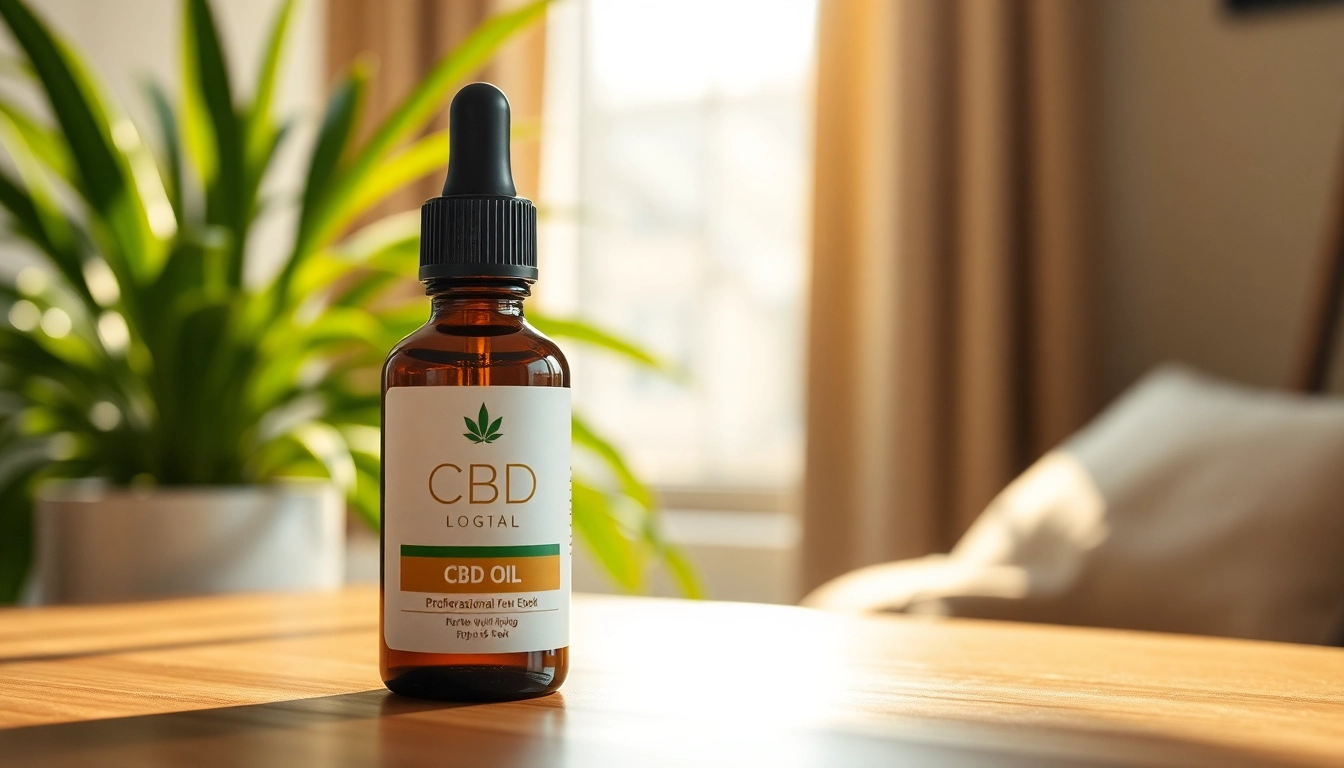
Understanding CBD Oil: An Introduction
What is CBD Oil?
CBD Oil, or cannabidiol oil, is a natural extract derived from the cannabis plant. Unlike THC (tetrahydrocannabinol), which is the psychoactive component of cannabis that produces feelings of euphoria or "high," CBD is non-psychoactive. This attribute has made CBD Oil particularly appealing for those seeking therapeutic benefits without the mind-altering effects of cannabis. Extracted primarily from hemp plants, which have low levels of THC, CBD Oil is increasingly gained recognition for its potential health benefits.
Not only do many consumers view CBD Oil as a natural remedy for various ailments, but it has also been the subject of extensive research in recent years. Among its potential uses are anxiety reduction, pain relief, and anti-inflammatory effects, making it a versatile addition to both personal health regimens and wellness products. Many health enthusiasts are integrating this compound into their lifestyles, appreciating its adaptability and effectiveness in promoting overall well-being. For more insights on this burgeoning topic, visit CBD Oil.
The History of CBD Oil
The use of cannabis for medicinal purposes is not a new phenomenon; it dates back thousands of years. However, the focus on CBD specifically began in the 20th century, with scientists first discovering the compound in the 1940s. This laid the groundwork for later research, particularly during the 1990s when the endocannabinoid system, which interacts with CBD, was identified. Understanding this system has been vital in uncovering how CBD Oil works within the body and its therapeutic potential.
As public interest surged in the health benefits of CBD Oil in the 21st century, several states in the U.S. began to legalize hemp cultivation, further paving the way for CBD products to enter the market. The 2018 Farm Bill was a significant turning point, allowing for the legal production and distribution of hemp-derived CBD products. This pivotal legislation sparked a vast array of CBD Oil products, from tinctures to topicals, finding their way into consumers’ hands.
How CBD Oil Works in the Body
The efficacy of CBD Oil is connected to its interaction with the human endocannabinoid system (ECS), which plays a crucial role in regulating various physiological processes including pain perception, mood, immune response, and stress. The ECS consists of cannabinoid receptors (CB1 and CB2), endogenous cannabinoids produced by the body, and the enzymes that break them down.
When CBD is introduced into the body, it interacts primarily with the CB2 receptors found in the immune system. This interaction can promote various health benefits, including anti-inflammatory effects and pain relief. Furthermore, CBD may help modulate the release of neurotransmitters, which can alter mood and minimize anxiety, providing a holistic approach to managing stress and discomfort.
Potential Health Benefits of CBD Oil
Pain Relief with CBD Oil
Chronic pain afflicts millions of individuals worldwide, often leading to significant disruptions in daily life. Many studies indicate that CBD Oil may be effective in managing different types of pain, including neuropathic pain, arthritis, and fibromyalgia. The mechanism of action primarily involves the modulation of pain signals through the endocannabinoid system.
In clinical trials, participants taking CBD Oil reported reductions in both pain intensity and discomfort associated with various conditions. The oil's anti-inflammatory properties may also contribute to its effectiveness, potentially reducing the underlying causes of pain, such as inflammation in joints, muscles, and tissues. Additionally, CBD may offer a safe alternative to opioids, with fewer risks of dependency and side effects.
CBD Oil for Anxiety and Stress Management
Anxiety disorders are among the most common mental health conditions globally, often requiring therapeutic intervention. Research has illustrated that CBD Oil may be beneficial in alleviating symptoms of anxiety and promoting a sense of calm without causing sedative effects. Studies show that CBD can reduce anxiety in both animal models and humans, suggesting its potential as a treatment option.
Users have reported feeling more relaxed and less overwhelmed when using CBD Oil regularly. The compound’s ability to influence serotonin receptors in the brain is believed to help regulate mood and anxiety levels. Additionally, its calming effects may assist with stress-induced conditions, making it an attractive option for those seeking natural stress relief.
Reducing Inflammation with CBD Oil
Chronic inflammation is linked to various diseases, including heart disease, diabetes, and autoimmune conditions. CBD Oil has gained attention for its anti-inflammatory effects, which are primarily attributed to its interaction with the endocannabinoid system. By inhibiting the release of pro-inflammatory cytokines and other mediators, CBD may significantly reduce inflammation and its associated symptoms.
For individuals suffering from conditions like arthritis or inflammatory bowel disease, incorporating CBD Oil into their health regimen may provide relief. Not only has research shown promising results, but anecdotal evidence from users supports the viability of CBD as a natural anti-inflammatory agent.
Common Uses of CBD Oil
Using CBD Oil in Daily Health Routines
Integrating CBD Oil into daily health routines is becoming increasingly popular. Many start their day with a few drops of CBD oil placed under the tongue for quick absorption, often pairing it with other wellness practices such as meditation or yoga. This approach promotes a mindful and balanced start to the day, potentially enhancing mental clarity and focus.
Additionally, some users find benefits from including CBD in their post-workout supplements, assisting in recovery and reducing muscle soreness. As CBD continues to enter various health and wellness products, its flexibility allows for incorporation into almost any routine.
Incorporating CBD Oil in Skincare
The skincare industry is witnessing a growing trend towards incorporating CBD Oil into cosmetic products, largely due to its anti-inflammatory properties and natural ability to soothe irritated skin. Research suggests that CBD may help regulate oil production, making it a potential treatment for acne and other skin conditions.
Consumers are increasingly turning to CBD-infused creams, serums, and balms for their calming effects. Formulating skincare products with CBD can benefit individuals who suffer from sensitive skin or conditions such as eczema and psoriasis, providing a natural solution for relief while aiming to improve overall skin health.
How to Use CBD Oil for Better Sleep
Sleep disturbances can wreak havoc on health and well-being. Individuals experiencing insomnia or restless sleep often turn to CBD Oil as a potential remedy. Studies indicate that CBD may improve sleep quality by addressing underlying issues such as anxiety and pain that often interfere with restful sleep.
Incorporating CBD Oil into nighttime routines—whether through oil tinctures, capsules, or gummies—has been reported to aid in quicker sleep onset and prolonged sleep duration. For best results, it's advisable to establish a consistent routine, allowing the body to adapt to the calming effects of CBD over time.
Choosing Quality CBD Oil
What to Look for in CBD Oil Products
When selecting CBD Oil, quality is paramount. Consumers should seek products that contain third-party lab testing results to ensure they meet safety and quality standards. Additionally, verifying the source of hemp is crucial; organic, U.S.-grown hemp is often the gold standard.
Another important factor is the type of CBD used, which can be classified into three categories: full-spectrum, broad-spectrum, and CBD isolate. Full-spectrum often contains trace amounts of THC, whereas broad-spectrum retains various cannabinoids without THC. CBD isolate is the purest form, containing only CBD. Understanding these options will allow consumers to make informed choices based on their preferences and needs.
Understanding CBD Oil Labels
Reading CBD Oil labels can be challenging, but proficiency in this area is crucial for consumers. Labels should include essential information such as the concentration of CBD, serving size, and ingredients. Additionally, look for details regarding the extraction method—CO2 extraction is considered one of the safest and most effective methods.
Moreover, a reputable product will display its Certificate of Analysis (COA) on its website or packaging, indicating it has been tested for potency and contaminants, thus offering assurance of its safety and effectiveness.
Third-Party Testing for CBD Oil Quality
Independent third-party testing is a crucial aspect of ensuring quality in CBD products. This process guarantees that the product contains the advertised amount of CBD and verifies its purity by checking for harmful substances such as heavy metals, pesticides, and solvents.
Consumers are encouraged to look for products with third-party lab results readily accessible. Understanding these results can play a significant role in distinguishing high-quality CBD Oil from subpar alternatives. Trustworthy brands prioritize transparency and are eager to share testing information with their customers.
Safety and Side Effects of CBD Oil
Is CBD Oil Safe for Everyone?
While many individuals tolerate CBD Oil well, safety is an essential consideration. Research generally indicates that CBD Oil is safe for most people, but it may interact with certain medications, particularly those metabolized by the liver. Therefore, individuals considering CBD should consult with healthcare professionals, especially if they are pregnant, nursing, or taking other medications.
Furthermore, the unregulated nature of the CBD market means quality can vary significantly between products. Consumers should prioritize reputable brands that provide transparency concerning their ingredients and testing protocols to minimize potential risks.
Possible Side Effects of CBD Oil
Though typically well-tolerated, CBD Oil may cause side effects in some users. Commonly reported side effects include fatigue, changes in appetite, and diarrhea. Understanding these potential effects is crucial for individuals new to CBD use.
Consumers should begin with a low dosage to assess their tolerance, gradually increasing as needed. Monitoring one’s body’s response can help mitigate adverse effects while allowing for a better experience overall.
Consulting Healthcare Professionals about CBD Oil
For anyone considering the use of CBD Oil, consulting with a healthcare professional is advisable to ensure compatibility with existing health conditions and medications. Healthcare providers can provide personalized guidance and help determine appropriate dosages, maximizing the benefits while minimizing risks.
As the field of CBD research continues to evolve, professionals remain an essential resource for anyone delving into its potential therapeutic applications. The convergence of traditional medicine and natural remedies like CBD can create a collaborative approach to health and wellness.