Posted on

Comprehensive Guide to Cannabis Vape Options and Benefits

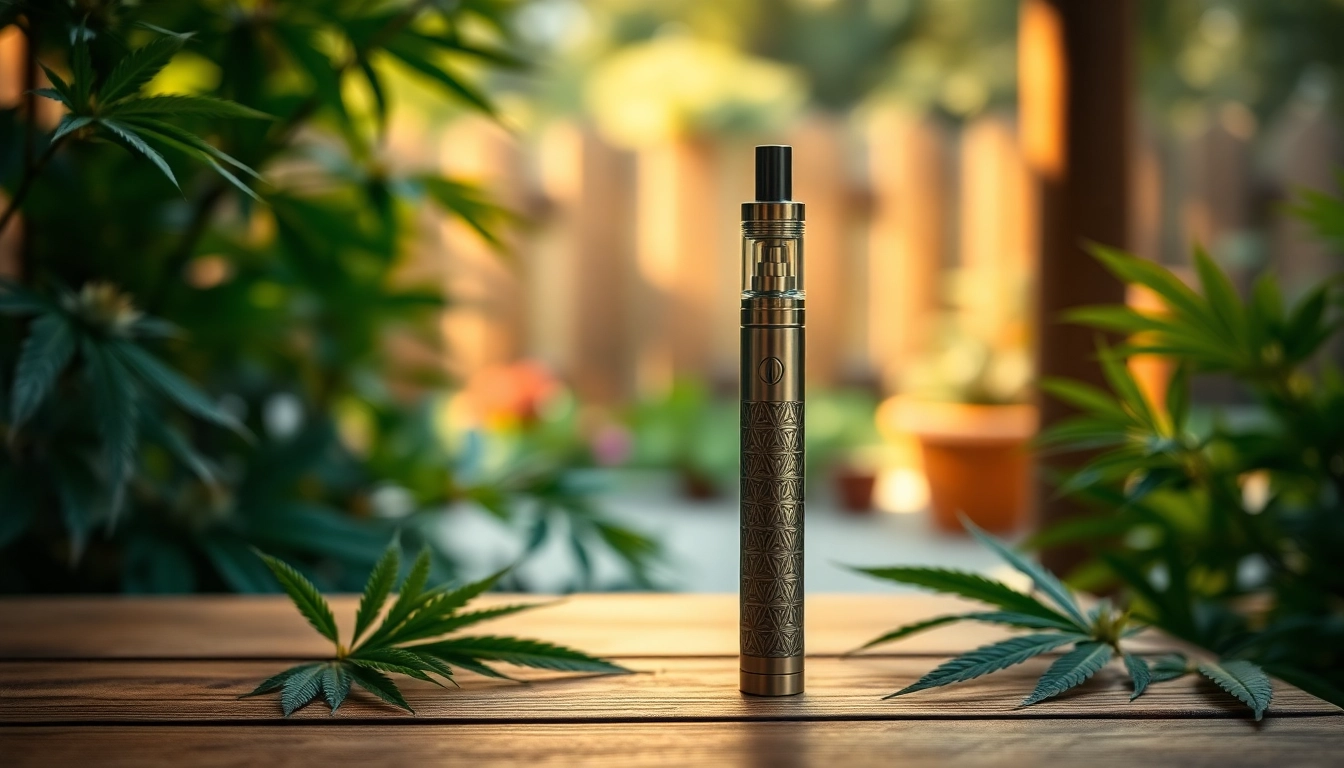
Elevated cannabis vape pen surrounded by foliage, emphasizing a sleek design and natural vibe.

Understanding Cannabis Vape Basics

The world of cannabis consumption has evolved significantly, with one of the most popular methods being the Cannabis Vape. This device has made it easier for users to enjoy cannabis in a more discreet and flavorful manner. Understanding the intricacies of cannabis vapes will help both newcomers and experienced users refine their consumption practices and enhance the overall experience.

What is a Cannabis Vape?

A cannabis vape is a device designed to heat cannabis materials—like flowers or concentrates—to a temperature that produces vapor rather than smoke. This process preserves the terpenes and cannabinoids, providing a cleaner and more potent experience. Unlike traditional smoking, where combustion occurs, vaping allows users to enjoy the effects of cannabis without many of the harmful byproducts that arise from burning plant material. This makes cannabis vapes a preferred choice for those seeking a healthier alternative.

How Do Cannabis Vapes Work?

Vapes operate by heating cannabis to the ideal temperature for vaporization. Most devices have a heating element that can be regulated to achieve specific temperature settings. When cannabis reaches its vaporization point, the essential oils are released as vapor, which is then inhaled. This process not only maximizes the introduction of valuable cannabinoids and terpenes into the bloodstream but also minimizes the harmful substances typically associated with smoking.

Types of Cannabis Vapes Available

There are several types of cannabis vapes, each designed for specific user preferences:

  • Portable Vapes: These are small, battery-operated devices ideal for on-the-go use. They are easy to hide and easy to use, making them perfect for discreet consumption.
  • Desktop Vapes: Generally larger, these powerful devices offer enhanced vapor quality and are typically used at home, often producing thicker clouds of vapor and preserving the full flavor of the cannabis.
  • Concentrate Vapes: Designed specifically for cannabis concentrates like wax or oil. These devices utilize higher temperatures to adequately vaporize the thicker materials.
  • Combo Vapes: Some devices can handle both dry herbs and concentrates, providing versatility for users who enjoy multiple forms of cannabis.

Benefits of Using Cannabis Vape

Choosing to vape cannabis offers several advantages beyond just the convenience of use. These benefits can significantly enhance the overall user experience.

Healthier Alternative to Smoking

Vaping eliminates many of the toxins and carcinogens produced through combustion. This results in a process that is generally perceived as safer for the lungs. Studies have indicated that users may experience fewer coughing fits and have a reduced risk of developing respiratory issues compared to those who smoke cannabis.

Discreet Consumption Options

Vape pens and other portable options are compact and easily concealable. Their design often resembles everyday items, making them ideal for discreet use in public or shared spaces. This appeal is especially attractive for those who wish to avoid the strong odor associated with smoking.

Fine-Tuning Effects: Dosage and Potency

With various cannabis strains and concentrates available, users can fine-tune their vaping experience. Many vapes allow precise temperature control, enabling users to target specific cannabinoids for desired effects. This customization can enhance therapeutic benefits, such as relaxing effects or stimulating sensations, based on individual preferences and needs.

Choosing the Right Cannabis Vape

Selecting the ideal cannabis vape can be overwhelming due to the myriad of options available. Here are key factors to consider that can guide your decision.

Factors to Consider When Selecting a Vape

When looking for the perfect cannabis vape, users should inquire about the following:

  • Materials: Look for vapes made from high-quality materials that are durable and safe for consumption.
  • Portability: Depending on your lifestyle, you may prefer a device that is easy to carry with you.
  • Ease of Use: Beginners might opt for simpler devices, while more experienced users may seek advanced features.
  • Price: Budget plays a significant role; it’s essential to find balance between cost and quality.

Popular Features: Temperature Control and Battery Life

Temperature control is crucial for optimizing the vaping experience. Devices that allow users to set specific temperatures can help in targeting different cannabinoids and terpenes, affecting the potency and flavor of the vapor. Additionally, battery life is an important consideration; longer-lasting batteries reduce the hassle of frequent recharging and allow for extended use.

Understanding Vape Cartridge Compatibility

For vapes using cartridges, compatibility is key. It is essential to ensure that the cartridges you purchase will fit your specific vape pen. Many devices utilize a standard 510-thread connection, but variations exist, so always double-check compatibility to avoid disappointment.

Safety and Best Practices for Cannabis Vaping

Although vaping is generally regarded as safer than smoking, engaging in best practices is essential to ensure both safety and enjoyment.

Recognizing Quality Products

Just like any consumer product, quality is paramount when selecting cannabis vapes. Look for third-party lab-tested vape cartridges to ensure purity and potency. Reputable brands will often provide lab results that indicate the cannabinoid profile and confirm the absence of harmful additives or contaminants.

Proper Usage and Maintenance

To optimize the performance of your cannabis vape, proper usage and regular maintenance are critical. Clean your device according to manufacturer instructions to avoid buildup that can impair functionality and flavor. Regularly inspect battery contacts and connections to maintain reliability.

Common Myths about Cannabis Vaping

There are several misconceptions regarding cannabis vaping, including:

  • Vaping is Not Safe: While no method of consumption is without risk, studies suggest vaping is generally safer than smoking.
  • All Vapes Are the Same: Vapes differ greatly in quality and design, impacting experience and safety.
  • Vaping Has No Smell: While vapors have a lighter odor than smoke, they can still produce distinguishable scents, albeit less pungent.

Exploring Trends in Cannabis Vape Culture

The cannabis vape culture is rapidly evolving, influenced by technological advancements, societal acceptance, and consumer preferences.

The Rise of Vape Pens and Disposables

Vape pens and disposables have surged in popularity due to their convenience and portability. Disposable vapes, in particular, cater to users looking for a hassle-free experience, as they do not require recharging or refilling. This development has widened consumer access to cannabis, especially for new users.

Influence of Social Media on Vaping Communities

Social media platforms have become vital spaces for sharing experiences, tips, and product recommendations within the vaping community. Users often post reviews, unboxings, and tutorials, fostering a sense of community among cannabis enthusiasts. This trend has also prompted brands to engage directly with consumers through digital marketing strategies.

Future Innovations in Cannabis Vaping

The future of cannabis vaping looks promising, with technological advancements set to enhance user experiences further. Innovations may include smarter devices with app integration for better dosage control, improved battery technologies, and more refined heating elements that allow for a broader spectrum of flavor and potency. As the market continues to grow, the refinement of these devices will play a crucial role in shaping the future landscape of cannabis consumption.

Posted on

Insider’s Guide to Navigating Your Local Weed Store Effectively

Engaging Weed Store interior showcasing products and knowledgeable staff helping customers.

Understanding the Weed Store Experience

Visiting a Weed Store can be an enlightening experience, especially for those who are new to cannabis. The atmosphere is often welcoming and filled with a sense of community. As legal restrictions begin to ease across various states, more individuals are seeking out cannabis products for both recreational and medicinal purposes. Understanding what to expect can help improve your experience and ensure you gain the benefits you’re looking for.

What to Expect When Entering a Weed Store

Your first visit to a weed store might feel a bit overwhelming, but it’s important to know what to expect. Typically, you’ll be greeted by a friendly staff member who will guide you through the process. Weed stores have a clean and organized layout, with products displayed in a manner that helps to facilitate selection. You’ll likely see displays for various strains, edibles, oils, and accessories. Depending on your location, there may be restrictions that dictate whether products can be consumed in-store or if sampling is available.

Types of Cannabis Products Available

One of the most significant aspects of visiting a weed store is the diversity of products. Cannabis offerings have evolved from simply dried flowers to include a range of products such as:

  • Flower: The traditional form of cannabis, available in various strains with differing effects.
  • Edibles: Foods infused with cannabis, such as gummies, chocolates, and beverages.
  • Concentrates: Highly potent forms of cannabis, like oils and waxes, often used in vapes or dabbing.
  • Topicals: Creams and balms infused with cannabis for localized relief.
  • Tinctures: Liquid forms of cannabis that are taken sublingually for quick absorption.

Understanding the full range of products available is crucial to making informed choices based on your needs.

Importance of Staff Knowledge in Weed Stores

The knowledge of the staff in a weed store can significantly enhance your experience. Budtenders are trained to understand the different strains, effects, and product formulations. They can provide personalized recommendations based on your wellness goals or desired effects, making your visit easier and more enjoyable. Don’t hesitate to ask questions about product origins, effects, or usage guidelines. A knowledgeable staff member can help demystify cannabis and guide you through the options available.

Navigating Cannabis Product Choices

Different Strains: Indica vs. Sativa

Cannabis strains are typically categorized into two main types: Indica and Sativa. Each has its own set of effects and benefits:

  • Indica: Generally known for its relaxing effects. Indica strains are recommended for evening use, often aiding in sleep and relaxation.
  • Sativa: Typically associated with energizing and uplifting effects, Sativa strains may be better suited for daytime use or social situations.

Hybrid strains, which contain elements of both Indica and Sativa, are also popular. It’s important to communicate your intended use with the budtender to ensure you receive a recommendation that aligns with your needs.

Edibles, Oils, and Concentrates Explained

For those who prefer forms of cannabis beyond smoking, edibles, oils, and concentrates offer versatile options:

  • Edibles: Dosage can be tricky, so start with a small amount and wait to feel the effects before consuming more. Edibles typically take longer to kick in compared to smoking.
  • Oils: Often used for sublingual consumption or in cooking, cannabis oils come in various concentrations and can provide precise dosing.
  • Concentrates: These are potent forms of cannabis and should be approached with caution. Beginners should seek guidance on proper usage methods.

Each product type offers a unique method of consumption and can cater to specific preferences or needs.

Making Informed Decisions Based on Effects

Understanding the effects of different cannabis products is critical for effective consumption. Generally, cannabis affects individuals differently based on factors such as body chemistry, tolerance, and intended use. Consider the following tips:

  • Research and understand cannabinoid profiles on product labels.
  • Start with lower doses to gauge your reaction.
  • Monitor the time it takes for effects to manifest, especially with edibles.

By keeping personal experiences in mind, you can make informed choices that help minimize unwanted effects and enhance your cannabis experience.

Buying Cannabis: Tips for First-Time Visitors

What Questions to Ask Staff at the Weed Store

When visiting a weed store for the first time, asking the right questions can help you navigate your purchase more effectively. Consider asking:

  • What strain do you recommend for [specific effect]?
  • What are the differences in potency among the available products?
  • Are there any specials or promotions currently available?

Your budtender’s responses can provide insights that may significantly enhance your experience.

Understanding Pricing and Quality

Pricing can vary widely based on product quality, strain, and form. Understanding the price range typical for various products can help you make informed choices. While cheaper options are available, investing in quality products often results in a better experience. Factors influencing price include:

  • The cultivation method (indoor vs. outdoor).
  • The strain’s rarity or popularity.
  • Product form (flower versus edibles versus concentrates).

Don’t hesitate to inquire about the quality indicators that justify the price.

How to Choose the Right Product for Your Needs

Choosing the right product is largely based on your desire for effects, personal preferences, and lifestyle. If you are seeking relaxation after a long day, an Indica strain might be your best bet. Conversely, if you’re looking to enhance creativity or social interactions, consider a Sativa strain. It’s wise to maintain an open mind—trying out various product types can help you discover what aligns best with your tastes and needs.

The Role of Local Regulations in Weed Stores

Navigating Legal Requirements When Visiting a Weed Store

The legality of cannabis varies significantly by location. Familiarize yourself with local laws regarding the purchase and use of cannabis. This understanding not only helps you stay within legal boundaries but also ensures that you understand the regulations governing product quality and availability. Many states require you to be twenty-one years or older to purchase cannabis, while some have stricter guidelines.

Age Restrictions and Identification Checks

Most weed stores require valid identification to enter and purchase products. Be prepared to provide proof of age, as this is a vital part of complying with legal regulations. Typically, photo identification such as a driver’s license or state ID is acceptable.

Understanding Product Labels and Compliance

Product labeling is a crucial element of transparency in the cannabis industry. Understanding product labels ensures you’re not only compliant with regulations but also informed about what you are consuming. Key aspects to look for include:

  • THC and CBD content: This will help gauge the potency of the product.
  • Ingredients: Knowing what is in your cannabis product can help avoid allergens or unwanted additives.
  • Serving size: Particularly important with edibles, knowing the serving size can help manage your dosing.

Informed choices start with understanding the product you’re purchasing.

Enhancing Your Weed Store Experience

Tips for Building a Relationship with Your Local Weed Store

Creating a rapport with your budtenders can greatly enhance your cannabis shopping experiences. As you visit the same store, feel free to share your preferences and previous experiences. Budtenders are typically eager to learn about your tastes to provide better recommendations over time. This two-way relationship can lead to a more tailored experience and access to exclusive products.

Participating in Community Events and Promotions

Many weed stores engage in community-building events. These events can include cannabis classes, product launches, and even local user meet-ups. Participating in such events not only expands your knowledge but also puts you in touch with like-minded individuals who share your interests.

Staying Updated on New Product Releases

Like any market, the cannabis industry is continuously evolving. New strains, products, and technologies emerge regularly. Regularly checking in with your local store, following them on social media, or subscribing to newsletters can keep you informed about new offerings that might align with your preferences.

Posted on

Unveiling the Benefits of Your Local Weed Store: A Guide to Quality Cannabis

Browse the diverse selection at the Weed Store with inviting ambiance and product displays.

Understanding the Basics of Weed Store

What is a Weed Store?

A Weed Store is a retail establishment specializing in the sale of cannabis products, including both medicinal and recreational items. These stores cater to a diverse clientele, appealing to those seeking therapeutic benefits and recreational users interested in the psychoactive effects of marijuana. Characteristically, a weed store may offer various cannabis strains, edibles, tinctures, oils, and smoking accessories, all designed to enhance the user experience.

The atmosphere in a weed store might differ from traditional pharmacies or liquor stores, often creating a more welcoming environment where customers can explore and inquire about products. The presence of knowledgeable staff, often referred to as “budtenders,” provides an additional layer of service, allowing consumers to receive personalized recommendations based on their needs and preferences.

The History and Evolution of Cannabis Retail

The concept of cannabis retail has undergone significant transformation. While cannabis has been utilized for centuries, it wasn’t until the modern movements advocating for legalization began in the late 20th century that storefronts dedicated solely to cannabis emerged. The initial stages of cannabis legality were primarily focused on medicinal use, with the first licensed weed stores opening in states that legalized medical marijuana.

The trend began to shift as recreational cannabis gained acceptance. With changing regulations, more states legalized recreational sales, leading to a proliferation of marijuana dispensaries. This shift has not only changed the nature of cannabis consumption but has also fostered a culture surrounding cannabis that invites education, community engagement, and awareness about responsible use.

Legal Considerations and Regulations

Legal considerations around operating a weed store are complex and vary by location. In regions where cannabis is legal, businesses must adhere strictly to local regulations pertaining to product sourcing, sales, and distribution. Compliance with state laws regarding age restrictions, product testing, and labeling is critical for maintaining legitimacy and safety within the market.

Furthermore, staying abreast of evolving laws is paramount, as legislative changes can come swiftly. Whether it be the implementation of new taxes on sales or alterations in licensing requirements, operators of weed stores must navigate this dynamic legal landscape to thrive.

Products Offered by Weed Store

Diverse Cannabis Product Ranges

Weed stores typically house a myriad of products suitable for different preferences and needs. These can include:

  • Cannabis Flower: The most traditional form, available in countless strains with various terpene profiles and potency levels.
  • Edibles: Food products infused with cannabis, ranging from gummies to baked goods, catering to those who prefer not to smoke.
  • Concentrates: Highly potent extracts like wax, shatter, and oils that provide enhanced effects, suitable for experienced users.
  • Topicals: Cannabis-infused creams and balms designed for localized relief without psychoactive effects.
  • Tinctures: Liquid cannabis extracts taken sublingually for quick absorption and precise dosage.

Understanding Different Consumption Methods

The methods of consuming cannabis products vary widely. Each method offers a unique experience regarding onset time, intensity, and duration. Understanding these differences is essential for making informed choices:

  • Smoking: Inhalation results in immediate effects, making it a popular choice. However, it may not be appealing to everyone due to health considerations.
  • Vaping: A modern alternative to smoking, using vaporization to heat flower or concentrates without combustion, which many find more palatable.
  • Ingestion: Edibles and tinctures offer an alternative for users seeking longer-lasting effects, though they may take longer to kick in.
  • Topical Application: Creams and balms provide targeted relief without psychoactive effects, useful for conditions such as pain and inflammation.

Choosing Quality: What to Look For

When purchasing from a weed store, quality should be a priority. The following tips can help consumers identify top-notch products:

  • Check Lab Reports: Reputable weeds stores will have lab results available, indicating the potency and purity of their products.
  • Know Your Strains: Understand the different strains’ effects—Indica, Sativa, and Hybrid—and how they fit your needs.
  • Ask Questions: Engage with knowledgeable staff to inquire about sourcing, growing methods, and recommended uses based on individual needs.
  • Avoid Impulse Buying: Take time to explore and understand the product options available before making a purchase.

Shopping Experience at a Weed Store

Navigating the Store Layout

Typically, brick-and-mortar weed stores are organized to provide customers with a comfortable shopping experience. Products are often grouped according to categories, making it easier for consumers to browse. Some stores feature dedicated sections for edibles, flower, and concentrates, complete with clear signage and educational displays that provide information about product origins and effects.

Budtenders are stationed throughout the store to assist with any inquiries and guide customers through their purchases, ensuring a positive experience. Many stores prioritize a welcoming ambiance, often featuring modern decor and comfortable waiting areas.

Customer Service: What to Expect

Customer service in a weed store plays a pivotal role in enhancing the shopping experience. Staff members are typically trained to provide personalized service. Knowledgeable budtenders can help clients navigate the product offerings while offering recommendations based on individual preferences or required effects.

Quality customer service also involves setting a tone of inclusivity and respect, ensuring that all customers, both seasoned users and newcomers, feel comfortable asking questions without judgment.

Educational Resources for First-Time Visitors

First-time visitors to a weed store may feel overwhelmed by the variety of products and consumption options. Many contemporary dispensaries recognize this challenge and offer educational resources. From pamphlets to interactive displays, these resources help demystify cannabis, covering topics such as dosage, effects, and safely integrating cannabis into lifestyle activities.

Educational workshops and events may also be available, allowing consumers to learn about cannabis from community experts, develop a deeper understanding of the subtleties within the cannabis plant, and obtain valuable information on responsible use.

Health Benefits and Risks of Cannabis

Medical vs. Recreational Use

Understanding the distinction between medical and recreational cannabis use is critical for consumers. Medical cannabis is typically prescribed to alleviate symptoms associated with a variety of health conditions, including chronic pain, anxiety, and nausea. In contrast, recreational cannabis is used primarily for its psychoactive effects and is enjoyed for social engagement or relaxation.

Patients considering medical cannabis should consult with healthcare professionals to determine appropriate strains, dosages, and consumption methods tailored to their specific conditions.

Common Health Benefits from Cannabis

Research suggests several health benefits associated with cannabis use. Some of the most commonly cited benefits include:

  • Pain Relief: Cannabis can effectively alleviate various forms of chronic pain, providing an alternative to traditional pain medications.
  • Anxiety and Depression Management: Certain strains may help reduce anxiety levels and improve mood, though effects can vary widely between individuals.
  • Anti-Inflammatory Effects: Cannabis possesses natural anti-inflammatory properties, which can benefit those suffering from arthritis and other inflammatory conditions.
  • Appetite Stimulation: Cannabis is known for enhancing appetite, making it beneficial for individuals undergoing treatments that suppress appetite, such as chemotherapy.

Potential Risks and Side Effects

While cannabis has many potential benefits, it is essential to recognize the risks and side effects associated with its use. These can include:

  • Cognitive Impairment: Cannabis can affect cognitive function, particularly in inexperienced users or those consuming high-THC strains.
  • Dependence: Regular use can lead to psychological dependence in certain individuals, especially at high doses.
  • Negative Interactions: Cannabis can interact with other medications, making it essential to consult a healthcare provider before use.

Future Trends in Weed Store Industry

Emerging Products and Innovations

The cannabis industry is continually evolving, with innovative products emerging regularly. The rise of technology has facilitated the development of advanced extraction methods, resulting in more potent concentrates and new forms of edibles. Moreover, the introduction of nano-emulsified products is gaining traction, allowing for quicker and more effective absorption of cannabinoids in the body.

Additionally, sustainable practices are becoming more prevalent within the industry, with producers seeking environmentally friendly cultivation methods and packaging solutions.

Impact of Technology on Cannabis Retail

Technology is reshaping the cannabis retail landscape. From e-commerce platforms that facilitate online ordering to advanced point-of-sale systems, technology enhances customer experiences. Many weed stores leverage apps for ordering, providing product information, and even loyalty rewards, making shopping more convenient and engaging.

Virtual reality and augmented reality technologies have intrigued some retailers, allowing customers to experience product effects or learn about strains in an immersive environment, which could revolutionize the shopping experience as it continues to evolve.

Consumer Trends and Preferences

As the cannabis market matures, consumer preferences are shifting. Many users are becoming more health-conscious, seeking organic and sustainably sourced products. Additionally, there is an increasing interest in microdosing, where consumers prefer lower doses of cannabis to achieve subtle effects without overwhelming intoxication.

Moreover, as social norms around cannabis use continue to change, more consumers are advocating for transparency, demanding lab-tested products, and desiring to know the origins of the cannabis products they purchase.

Posted on

Health Benefits and Uses of CBD Oil for Wellness

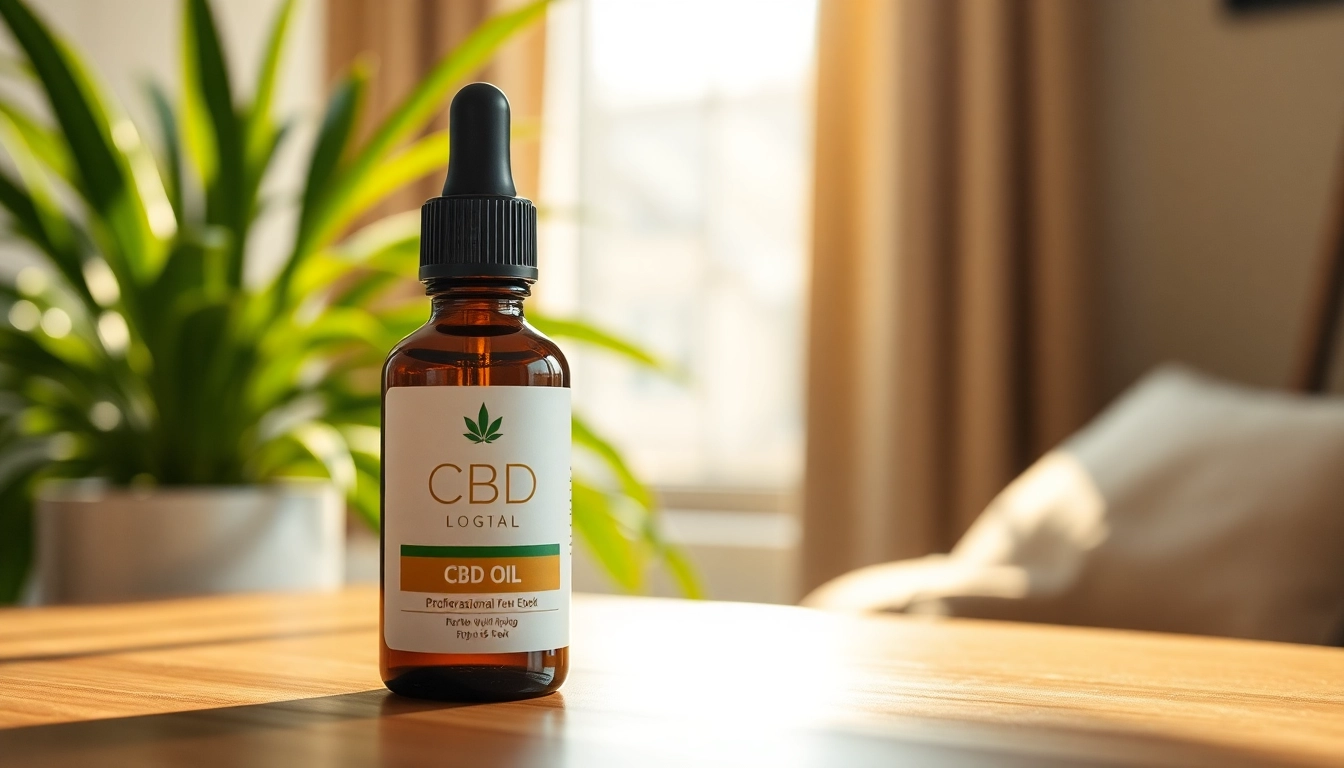
Discover the soothing benefits of CBD Oil showcased elegantly in a serene home environment.

Understanding CBD Oil: An Introduction

What is CBD Oil?

CBD Oil, or cannabidiol oil, is a natural extract derived from the cannabis plant. Unlike THC (tetrahydrocannabinol), which is the psychoactive component of cannabis that produces feelings of euphoria or “high,” CBD is non-psychoactive. This attribute has made CBD Oil particularly appealing for those seeking therapeutic benefits without the mind-altering effects of cannabis. Extracted primarily from hemp plants, which have low levels of THC, CBD Oil is increasingly gained recognition for its potential health benefits.

Not only do many consumers view CBD Oil as a natural remedy for various ailments, but it has also been the subject of extensive research in recent years. Among its potential uses are anxiety reduction, pain relief, and anti-inflammatory effects, making it a versatile addition to both personal health regimens and wellness products. Many health enthusiasts are integrating this compound into their lifestyles, appreciating its adaptability and effectiveness in promoting overall well-being. For more insights on this burgeoning topic, visit CBD Oil.

The History of CBD Oil

The use of cannabis for medicinal purposes is not a new phenomenon; it dates back thousands of years. However, the focus on CBD specifically began in the 20th century, with scientists first discovering the compound in the 1940s. This laid the groundwork for later research, particularly during the 1990s when the endocannabinoid system, which interacts with CBD, was identified. Understanding this system has been vital in uncovering how CBD Oil works within the body and its therapeutic potential.

As public interest surged in the health benefits of CBD Oil in the 21st century, several states in the U.S. began to legalize hemp cultivation, further paving the way for CBD products to enter the market. The 2018 Farm Bill was a significant turning point, allowing for the legal production and distribution of hemp-derived CBD products. This pivotal legislation sparked a vast array of CBD Oil products, from tinctures to topicals, finding their way into consumers’ hands.

How CBD Oil Works in the Body

The efficacy of CBD Oil is connected to its interaction with the human endocannabinoid system (ECS), which plays a crucial role in regulating various physiological processes including pain perception, mood, immune response, and stress. The ECS consists of cannabinoid receptors (CB1 and CB2), endogenous cannabinoids produced by the body, and the enzymes that break them down.

When CBD is introduced into the body, it interacts primarily with the CB2 receptors found in the immune system. This interaction can promote various health benefits, including anti-inflammatory effects and pain relief. Furthermore, CBD may help modulate the release of neurotransmitters, which can alter mood and minimize anxiety, providing a holistic approach to managing stress and discomfort.

Potential Health Benefits of CBD Oil

Pain Relief with CBD Oil

Chronic pain afflicts millions of individuals worldwide, often leading to significant disruptions in daily life. Many studies indicate that CBD Oil may be effective in managing different types of pain, including neuropathic pain, arthritis, and fibromyalgia. The mechanism of action primarily involves the modulation of pain signals through the endocannabinoid system.

In clinical trials, participants taking CBD Oil reported reductions in both pain intensity and discomfort associated with various conditions. The oil’s anti-inflammatory properties may also contribute to its effectiveness, potentially reducing the underlying causes of pain, such as inflammation in joints, muscles, and tissues. Additionally, CBD may offer a safe alternative to opioids, with fewer risks of dependency and side effects.

CBD Oil for Anxiety and Stress Management

Anxiety disorders are among the most common mental health conditions globally, often requiring therapeutic intervention. Research has illustrated that CBD Oil may be beneficial in alleviating symptoms of anxiety and promoting a sense of calm without causing sedative effects. Studies show that CBD can reduce anxiety in both animal models and humans, suggesting its potential as a treatment option.

Users have reported feeling more relaxed and less overwhelmed when using CBD Oil regularly. The compound’s ability to influence serotonin receptors in the brain is believed to help regulate mood and anxiety levels. Additionally, its calming effects may assist with stress-induced conditions, making it an attractive option for those seeking natural stress relief.

Reducing Inflammation with CBD Oil

Chronic inflammation is linked to various diseases, including heart disease, diabetes, and autoimmune conditions. CBD Oil has gained attention for its anti-inflammatory effects, which are primarily attributed to its interaction with the endocannabinoid system. By inhibiting the release of pro-inflammatory cytokines and other mediators, CBD may significantly reduce inflammation and its associated symptoms.

For individuals suffering from conditions like arthritis or inflammatory bowel disease, incorporating CBD Oil into their health regimen may provide relief. Not only has research shown promising results, but anecdotal evidence from users supports the viability of CBD as a natural anti-inflammatory agent.

Common Uses of CBD Oil

Using CBD Oil in Daily Health Routines

Integrating CBD Oil into daily health routines is becoming increasingly popular. Many start their day with a few drops of CBD oil placed under the tongue for quick absorption, often pairing it with other wellness practices such as meditation or yoga. This approach promotes a mindful and balanced start to the day, potentially enhancing mental clarity and focus.

Additionally, some users find benefits from including CBD in their post-workout supplements, assisting in recovery and reducing muscle soreness. As CBD continues to enter various health and wellness products, its flexibility allows for incorporation into almost any routine.

Incorporating CBD Oil in Skincare

The skincare industry is witnessing a growing trend towards incorporating CBD Oil into cosmetic products, largely due to its anti-inflammatory properties and natural ability to soothe irritated skin. Research suggests that CBD may help regulate oil production, making it a potential treatment for acne and other skin conditions.

Consumers are increasingly turning to CBD-infused creams, serums, and balms for their calming effects. Formulating skincare products with CBD can benefit individuals who suffer from sensitive skin or conditions such as eczema and psoriasis, providing a natural solution for relief while aiming to improve overall skin health.

How to Use CBD Oil for Better Sleep

Sleep disturbances can wreak havoc on health and well-being. Individuals experiencing insomnia or restless sleep often turn to CBD Oil as a potential remedy. Studies indicate that CBD may improve sleep quality by addressing underlying issues such as anxiety and pain that often interfere with restful sleep.

Incorporating CBD Oil into nighttime routines—whether through oil tinctures, capsules, or gummies—has been reported to aid in quicker sleep onset and prolonged sleep duration. For best results, it’s advisable to establish a consistent routine, allowing the body to adapt to the calming effects of CBD over time.

Choosing Quality CBD Oil

What to Look for in CBD Oil Products

When selecting CBD Oil, quality is paramount. Consumers should seek products that contain third-party lab testing results to ensure they meet safety and quality standards. Additionally, verifying the source of hemp is crucial; organic, U.S.-grown hemp is often the gold standard.

Another important factor is the type of CBD used, which can be classified into three categories: full-spectrum, broad-spectrum, and CBD isolate. Full-spectrum often contains trace amounts of THC, whereas broad-spectrum retains various cannabinoids without THC. CBD isolate is the purest form, containing only CBD. Understanding these options will allow consumers to make informed choices based on their preferences and needs.

Understanding CBD Oil Labels

Reading CBD Oil labels can be challenging, but proficiency in this area is crucial for consumers. Labels should include essential information such as the concentration of CBD, serving size, and ingredients. Additionally, look for details regarding the extraction method—CO2 extraction is considered one of the safest and most effective methods.

Moreover, a reputable product will display its Certificate of Analysis (COA) on its website or packaging, indicating it has been tested for potency and contaminants, thus offering assurance of its safety and effectiveness.

Third-Party Testing for CBD Oil Quality

Independent third-party testing is a crucial aspect of ensuring quality in CBD products. This process guarantees that the product contains the advertised amount of CBD and verifies its purity by checking for harmful substances such as heavy metals, pesticides, and solvents.

Consumers are encouraged to look for products with third-party lab results readily accessible. Understanding these results can play a significant role in distinguishing high-quality CBD Oil from subpar alternatives. Trustworthy brands prioritize transparency and are eager to share testing information with their customers.

Safety and Side Effects of CBD Oil

Is CBD Oil Safe for Everyone?

While many individuals tolerate CBD Oil well, safety is an essential consideration. Research generally indicates that CBD Oil is safe for most people, but it may interact with certain medications, particularly those metabolized by the liver. Therefore, individuals considering CBD should consult with healthcare professionals, especially if they are pregnant, nursing, or taking other medications.

Furthermore, the unregulated nature of the CBD market means quality can vary significantly between products. Consumers should prioritize reputable brands that provide transparency concerning their ingredients and testing protocols to minimize potential risks.

Possible Side Effects of CBD Oil

Though typically well-tolerated, CBD Oil may cause side effects in some users. Commonly reported side effects include fatigue, changes in appetite, and diarrhea. Understanding these potential effects is crucial for individuals new to CBD use.

Consumers should begin with a low dosage to assess their tolerance, gradually increasing as needed. Monitoring one’s body’s response can help mitigate adverse effects while allowing for a better experience overall.

Consulting Healthcare Professionals about CBD Oil

For anyone considering the use of CBD Oil, consulting with a healthcare professional is advisable to ensure compatibility with existing health conditions and medications. Healthcare providers can provide personalized guidance and help determine appropriate dosages, maximizing the benefits while minimizing risks.

As the field of CBD research continues to evolve, professionals remain an essential resource for anyone delving into its potential therapeutic applications. The convergence of traditional medicine and natural remedies like CBD can create a collaborative approach to health and wellness.

Posted on

The Essential Guide to Understanding CBD: Benefits, Usage, and Safety

Extract CBD benefits from a close-up of a lush hemp plant highlighting its vitality.

1. Introduction to CBD and Its Origins

Cannabidiol (CBD) is a natural compound derived from the hemp plant, recognized for its potential therapeutic benefits. Unlike its more famous counterpart, tetrahydrocannabinol (THC), CBD does not produce psychoactive effects, making it a safe and appealing option for those seeking relief from various ailments without the high often associated with cannabis. The growing interest in CBD has spurred extensive research into its benefits, uses, and safety.

1.1 What is CBD?

CBD, one of many cannabinoids found in cannabis, is notable for its potential to influence the body’s endocannabinoid system (ECS). This system plays a crucial role in regulating various physiological processes, including mood, pain, immune system responses, and more. CBD’s non-psychoactive nature allows it to interact with the ECS without altering mental states, differentiating it from THC and making it suitable for everyday use.

1.2 History and Background of CBD

The history of CBD dates back to ancient civilizations, where cannabis was utilized for medicinal purposes. However, scientific interest in CBD began in the mid-20th century, leading to the isolation of CBD from cannabis extracts. Over the years, research has expanded, uncovering its potential in managing conditions such as epilepsy, anxiety, and chronic pain. Legislative shifts have further fueled this interest, with more states legalizing hemp production and CBD sales.

1.3 The Legal Landscape of CBD

The legal status of CBD is complex, varying by country and, in the United States, by state. Following the 2018 Farm Bill, hemp-derived CBD products containing less than 0.3% THC have become legal federally, but some states impose stricter regulations. Understanding local laws is essential for consumers and producers alike, ensuring compliance and safety in use.

2. Health Benefits of CBD

Extensive research indicates that CBD may provide a range of health benefits. As a result, its popularity has surged, and consumers turn to it for various reasons, from mental health management to pain relief.

2.1 CBD and Mental Health: Anxiety Relief

One of the most reported benefits of CBD is its potential to alleviate anxiety and stress. Studies suggest that CBD can reduce anxiety levels by interacting with serotonin receptors in the brain, which regulates mood and behavior. Individuals suffering from generalized anxiety disorder, social anxiety, and even post-traumatic stress disorder have reported significant improvements when using CBD products.

2.2 CBD for Pain Management and Inflammation

CBD’s anti-inflammatory properties have made it a popular choice for those dealing with chronic pain and inflammation. Whether from arthritis, multiple sclerosis, or general muscle soreness, CBD interacts with the body’s pain receptors, providing relief without the side effects often associated with prescription pain medications. This non-addictive nature offers a safer alternative for pain management.

2.3 Exploring CBD’s Neuroprotective Properties

Research has indicated that CBD may have neuroprotective properties, potentially benefiting individuals with neurological disorders like epilepsy and multiple sclerosis. Its ability to reduce seizures and improve the quality of life highlights the compound’s significance in medical research. Additionally, its antioxidant properties contribute to brain health and cognitive function, paving the way for further studies in this domain.

3. Safe Usage and Dosage of CBD

As with any supplement, understanding how to use CBD effectively and safely is essential for maximizing its benefits. The right dosage can vary depending on individual factors such as body weight, metabolism, and the condition being treated.

3.1 How to Determine the Right CBD Dosage

Determining the right dosage of CBD often requires a bit of experimentation. Starting with a low dose and gradually increasing until the desired effects are achieved is a common approach. It is important to consult with a healthcare professional, especially for individuals taking other medications or managing serious health conditions.

3.2 Forms of CBD: Oils, Edibles, and More

CBD is available in various forms, including oils, capsules, edibles, topicals, and vapes. Each form has its advantages and disadvantages, affecting factors such as absorption rate and duration of effects. For instance, CBD oils and tinctures are fast-acting, while edibles offer longer-lasting relief. Choosing the right form will depend on personal preferences and specific health goals.

3.3 Potential Side Effects and Contraindications

While CBD is generally well-tolerated, some individuals may experience side effects, including dry mouth, drowsiness, changes in appetite, or gastrointestinal issues. It’s crucial for users to monitor these effects and consult with a healthcare professional, particularly if they experience severe side effects or are on medications that may interact with CBD.

4. The Science Behind CBD: How It Works

Understanding how CBD works in the body provides insight into its therapeutic potential. This section explores the science behind the interactions of CBD with our physiology.

4.1 Understanding the Endocannabinoid System

The endocannabinoid system (ECS) is a complex network of receptors and neurotransmitters that plays a vital role in maintaining homeostasis within the body. It consists of two major types of receptors: cannabinoid receptor type 1 (CB1), primarily found in the brain, and cannabinoid receptor type 2 (CB2), located throughout the body. CBD’s interaction with these receptors influences various bodily functions, including mood, appetite, and immune response.

4.2 How CBD Interacts with the Body

CBD’s interaction with the ECS may normalize functions that are out of balance. It does this primarily by inhibiting the enzyme that breaks down anandamide, a naturally occurring endocannabinoid. This results in increased levels of anandamide, contributing to improved mood and reduced pain sensations. Furthermore, CBD may also interact with non-cannabinoid receptors, amplifying its therapeutic effects.

4.3 Research and Studies on CBD Efficacy

The growing body of research on CBD includes numerous studies demonstrating its efficacy in treating various conditions. Clinical trials illustrate its potential benefits for anxiety disorders, chronic pain, and even epilepsy. Continuous research is essential for substantiating claims and enhancing our understanding of the therapeutic range of CBD, paving the way for more targeted therapies and formulations.

5. Conclusion and Future of CBD

The future of CBD appears promising, with ongoing research and a growing acceptance of its therapeutic use. As consumers become more informed and legislation evolves, the market continues to expand, offering new and innovative products.

5.1 Trends in CBD Usage and Market Growth

The CBD market is projected to grow exponentially in the coming years. Trends indicate an increase in product diversity, catering to specific health needs and preferences. Consumer education is also on the rise, with individuals seeking products that are responsibly sourced, tested, and transparently labeled.

5.2 The Future of CBD Research and Development

Research into CBD’s applications is expected to continue expanding, with particular attention on its effects on new conditions and demographics. With increased funding and openness from regulatory bodies, we may see advancements in our understanding of CBD’s mechanisms, leading to the development of more effective therapies and formulations.

5.3 Final Thoughts on Integrating CBD into Wellness

Integrating CBD into wellness routines can offer multiple health benefits, but it is essential to approach with caution and awareness. Consulting healthcare professionals and conducting thorough research are vital steps for anyone considering CBD as part of their health regimen. As more individuals explore the potential of CBD, its place in holistic health is likely to solidify, contributing to a more balanced approach to wellness.

Posted on

The Comprehensive Guide to Understanding CBD: Benefits, Uses, and Precautions

Showcasing CBD oil bottle and hemp leaves on a wooden surface, symbolizing natural wellness.

Introduction to CBD: What You Need to Know

Cannabidiol, commonly referred to as CBD, is a naturally occurring compound found in the cannabis plant. It belongs to a class of compounds known as cannabinoids, which interact with the human body’s endocannabinoid system to produce various effects. Unlike its more famous counterpart, tetrahydrocannabinol (THC), CBD is non-psychoactive and does not create a “high,” making it an appealing choice for many looking to explore the potential therapeutic benefits of cannabis without the associated intoxication. Understanding CBD is essential for both consumers and healthcare providers alike, as the compound gains popularity in wellness and recovery circles.

The Basics of CBD and Its Origins

CBD is derived primarily from hemp, a variety of the Cannabis sativa plant. Hemp contains 0.3% or less THC, which is the legal threshold for hemp-derived products in many parts of the world, including the United States. The extraction process typically involves using solvents or oils to extract the CBD from the plant material, resulting in oils, tinctures, edibles, and other products.

How CBD Differs From Other Cannabinoids

There are over 100 different cannabinoids found in cannabis, each with unique properties and effects. THC is the most well-known due to its psychoactive effects, whereas CBD interacts differently with the body’s cannabinoid receptors, primarily the CB1 and CB2 receptors of the endocannabinoid system. This distinction is what separates CBD from THC and contributes to its growing interest in medical and therapeutic contexts. Unlike THC, CBD is not addictive and has been reported as safe for most users.

The Legal Status of CBD in the United States

The legal landscape for CBD in the United States became more defined after the passage of the 2018 Farm Bill, which legalized the cultivation of hemp and the sale of hemp-derived CBD products at the federal level, provided that they contain no more than 0.3% THC. However, state regulations can vary significantly. Some states have embraced CBD wholeheartedly, while others maintain strict regulations or outright bans.

Health Benefits of CBD: Backed by Research

Research into the health benefits of CBD has accelerated in recent years, revealing significant potential for therapeutic applications. While further studies are needed to confirm many claims, several areas have shown promising results.

Common Therapeutic Uses of CBD

Among the most commonly reported benefits, CBD has been associated with:

  • Anxiety Relief: Studies suggest that CBD may help alleviate anxiety and improve mood in people dealing with Generalized Anxiety Disorder (GAD) and social anxiety.
  • Pain Management: CBD has been indicated to have anti-inflammatory properties, which may help reduce chronic pain associated with conditions like arthritis or multiple sclerosis.
  • Neuroprotective Properties: Preliminary research suggests that CBD may be beneficial in neurodegenerative diseases like Alzheimer’s, Parkinson’s, and Huntington’s disease.
  • Sleep Disorders: CBD has been associated with improved sleep quality in people suffering from insomnia, allowing for a more restful night.

Scientific Studies Supporting CBD Benefits

Numerous studies have highlighted the potential therapeutic benefits of CBD. For example, a systematic review published in 2019 found that CBD significantly reduced anxiety in both human and animal studies. Another study found that CBD oil reduced the frequency of seizures in individuals with treatment-resistant epilepsy. While these findings are encouraging, it’s crucial to approach the claims surrounding CBD with a critical mind and rely on well-conducted clinical studies to guide usage.

Understanding the Limitations of CBD Claims

Despite the promising research, CBD is not a one-size-fits-all solution. Many factors can influence its effectiveness, including dosage, consumption method, and individual biochemistry. Additionally, the lack of regulation in the CBD market can lead to variations in product quality and potency. It is vital for consumers to conduct thorough research and consult healthcare professionals before beginning CBD usage.

How to Use CBD Safely and Effectively

Safety and effectiveness are paramount when considering the incorporation of CBD into one’s health regimen. Understanding proper dosage, potential side effects, and interactions with other medications is important for safe use.

Recommended Dosage and Forms of CBD

Determining the appropriate CBD dosage can vary widely based on individual factors like weight, health condition, and the reason for use. Starting with a low dose and gradually increasing it until desired effects are achieved is a good practice. Common forms of CBD include:

  • Oils and Tinctures: Usually taken sublingually for quick absorption.
  • Capsules and Edibles: Provide a precise dosage and easy consumption, although they may take longer to take effect.
  • Topicals: Applied directly on the skin for localized relief.

Potential Side Effects and Interactions

While most users tolerate CBD well, it can cause side effects in some individuals, including:

  • Dry mouth
  • Drowsiness
  • Changes in appetite
  • Diarrhea

It’s also possible for CBD to interact with certain medications, particularly those metabolized by the liver. Consulting with a healthcare provider is essential for those on medication.

Consulting with Healthcare Professionals

Engaging with healthcare professionals ensures that individuals understand how CBD may interact with their health conditions and other medications. Practitioners can offer guidance and personalized recommendations, which is invaluable for anyone considering CBD as part of their health plan.

Understanding CBD Products: A Buyer’s Guide

The diversity of CBD products flooding the market can be overwhelming. However, consumers can navigate these options effectively by understanding the different types of products, quality indicators, and labeling standards.

Different Types of CBD Products Available

In addition to oils and tinctures, CBD is available in various forms, catering to different preferences:

  • Vaping Products: Quick onset of effects but comes with potential respiratory risks.
  • Bath Bombs and Skincare: Palm oils infused with CBD for topical and aromatic benefits.
  • Beverages: CBD-infused drinks provide an enjoyable way to consume CBD.

Quality Indicators to Look for in CBD Products

When purchasing CBD products, consumers should focus on quality indicators, including:

  • Source of Hemp: Look for products sourced from reputable farms that follow organic farming practices.
  • Third-Party Testing: Products should have lab results available to confirm potency and purity.
  • Extraction Method: CO2 extraction is preferred, as it produces high-quality oil without harmful residual solvents.

Understanding CBD Labels and Certifications

Reading labels carefully is essential when purchasing CBD products. Consumers should check for clear labeling of CBD content, the presence of THC (if any), and indications of any other ingredients. Certifications from recognized organizations can add an extra layer of assurance regarding product quality.

The Future of CBD: Trends and Innovations

The CBD landscape is continually evolving, driven by ongoing research and shifts in consumer perception. Innovative products and formulations are emerging, broadening the spectrum of potential applications.

Emerging Research in CBD Treatments

Ongoing clinical trials are expected to explore even more potential therapeutic benefits of CBD. Areas including cancer treatment, neurodegenerative conditions, and metabolic disorders are on the research forefront. Furthermore, as the body of evidence grows, regulatory frameworks may adapt, allowing for broader therapeutic claims.

Consumer Attitudes Toward CBD

Consumer interest in CBD continues to rise, fueled by positive testimonials regarding its benefits. As educational resources become more accessible, public understanding of CBD is improving, fostering a more informed community that recognizes CBD’s potential while approaching its challenges cautiously.

Market Trends in the CBD Industry

The CBD market is witnessing substantial growth, with expanding product offerings targeting wellness, beauty, food, and beverage sectors. Additionally, brands are increasingly focusing on transparency and sustainability to build consumer trust and loyalty.

In conclusion, while CBD exhibits promising therapeutic potential, it is important for individuals to approach its use thoughtfully, taking into account the variances in product quality, legality, and personal health conditions. The future of CBD remains bright, with innovations and research paving the way for even greater acceptance and application.