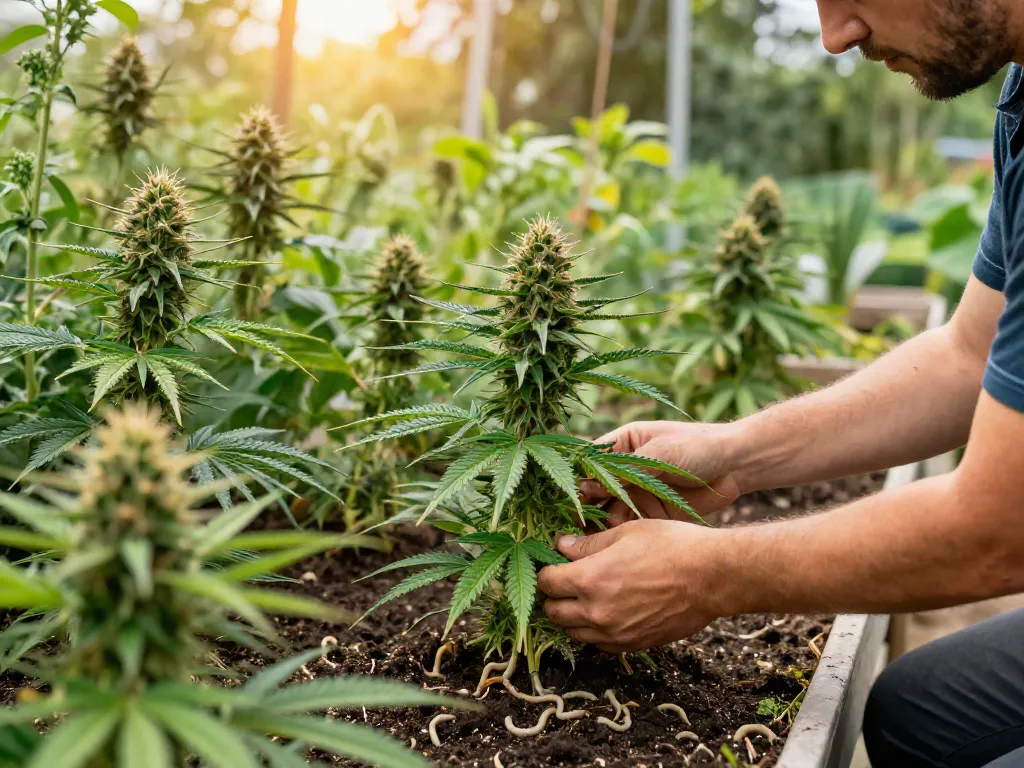
Understanding LSO Weed: The Basics
Living Soil Organic (LSO) weed is revolutionizing the cannabis industry by emphasizing sustainable cultivation methods that benefit both plants and the environment. As more consumers become aware of the health implications associated with synthetic fertilizers and pesticides, LSO weed has emerged as a popular choice among discerning cannabis enthusiasts. This article delves into what LSO means for cannabis cultivation, its distinctiveness compared to conventional marijuana, and its myriad benefits for consumers.
When exploring options, lso weed provides comprehensive insights into the cultivation of cannabis in nutrient-dense, biologically active soil. In this article, we will uncover the foundational aspects of LSO weed, the advantages it holds, and the best practices for both consumers and growers alike.
What Does LSO Mean for Cannabis?
LSO stands for Living Soil Organic, which refers to a cultivation method where cannabis plants are grown in a biologically active soil ecosystem. This type of soil is rich in microorganisms, including bacteria, fungi, and earthworms, which contribute to the overall health and nutrient availability for the plants. The key principle behind LSO is that the soil is alive, providing a nurturing environment that helps in developing robust and healthy cannabis plants.
The Importance of Living Soil in Cannabis Cultivation
Living soil is crucial for several reasons. First, it promotes a complex ecosystem that allows plants to thrive. By hosting a diverse range of microbes, living soil enhances nutrient uptake, improves soil structure, and fosters resilience against pests and diseases. Additionally, the organic matter in living soil contributes to better moisture retention, reducing the need for frequent watering, and thereby promoting sustainable water use.
How LSO Weed Differs from Conventional Cannabis
The most significant difference between LSO weed and conventional cannabis lies in the cultivation practices. Conventional methods often rely on synthetic fertilizers and chemical pesticides to optimize growth and yield. In contrast, LSO methods emphasize a holistic approach, using organic inputs and allowing nature to take its course. This results in cannabis that not only possesses a richer flavor profile but is also considered to be more potent and healthier for consumption.
Benefits of LSO Weed for Consumers
Enhanced Flavor and Aroma Profiles
One of the most lauded benefits of LSO weed is its enhanced flavor and aroma profiles. Cannabis grown in living soil often exhibits a more pronounced and diverse range of terpenes—the compounds responsible for the plant's scent and flavor. These terpenes are vital for the overall experience of consuming cannabis, influencing everything from the taste of a strain to its therapeutic effects. Consumers often report that LSO strains have a more vibrant, complex flavor compared to their conventionally grown counterparts.
Increased Potency and Effects
Research and anecdotal evidence suggest that LSO weed tends to be more potent than cannabis grown using synthetic methods. The natural nutrients found in living soil allow for better cannabinoid production, which can lead to a more intense experience for users. This potency, combined with the unique terpenes found in LSO strains, often results in a more enjoyable and effective experience for both recreational and medical users.
Environmental Impact of Choosing LSO
Choosing LSO weed carries significant environmental advantages. Because it utilizes organic materials and sustainable practices, LSO cultivation reduces the reliance on harmful chemicals that can contaminate soil and water systems. Additionally, it promotes biodiversity both in the soil and the surrounding ecosystem, leading to healthier agricultural practices overall. As more consumers lean towards eco-friendly products, LSO weed represents a responsible choice for environmentally conscious individuals.
Challenges in LSO Cannabis Cultivation
Common Misconceptions about Organic Cannabis
Many misconceptions surround organic and LSO cannabis cultivation. For example, some believe that organic methods result in inferior yields or that they are not as effective as conventional practices. In reality, while yields may vary, the quality of the cannabis produced—along with its potency and flavor—is often superior in organic setups. Additionally, LSO methods can be just as productive when growers invest time in understanding their soil and the plants' needs.
Obstacles for Growers in Adopting LSO Practices
Transitioning to LSO cultivation can pose numerous challenges for growers. Factors such as the initial costs of establishing a living soil system, knowledge gaps regarding microbial management, and the time commitment involved in maintaining a living ecosystem can all be barriers. However, with the right resources and support, many of these challenges can be overcome, leading to healthier crops and a more sustainable growing practice.
Comparing Costs: LSO vs. Conventional Methods
Cost considerations are crucial for many growers when deciding on cultivation methods. Traditional chemical inputs may seem more affordable upfront, but they often lead to longer-term costs related to soil degradation, pest control, and health impacts. In contrast, LSO methods may require a greater initial investment in high-quality soil amendments and microbial inoculants, but they can yield healthier plants and potentially higher returns in the long run. This comparison underscores the importance of evaluating the overall health and sustainability of growing practices.
Best Practices for Growing LSO Weed
Soil Preparation and Microbial Health
To successfully grow LSO weed, meticulous attention must be given to soil preparation. This begins with selecting high-quality organic materials and properly balancing nutrients. Establishing a thriving microbial community is essential; this can be achieved through composting, using cover crops, and regularly adding organic matter. Healthy soil is the foundation of productive LSO cultivation.
Watering Techniques for Optimal Growth
Water management in LSO systems differs significantly from conventional methods. Overwatering can disrupt the microbial ecosystem, so growers should adopt a strategy of deep, infrequent watering to encourage root growth and soil stability. Techniques such as mulching can also help retain moisture and reduce evaporation, thereby promoting water conservation.
Integrating Companion Plants for Biodiversity
Companion planting is an invaluable strategy in LSO cultivation. By interspersing beneficial plants with cannabis, growers can boost soil health, reduce pests, and enhance pollination. For example, planting marigolds can deter harmful insects, while other herbs may attract beneficial pollinators. This approach not only contributes to biodiversity but also creates a more resilient growing environment.
Future Trends in LSO Weed Cultivation and Consumption
Emerging Technologies in Organic Cannabis Farming
The future of LSO weed cultivation is bright, with emerging technologies poised to enhance organic farming practices. Innovations such as automated soil monitoring systems, advanced microbial inoculants, and precision agriculture techniques can streamline the cultivation process. These technologies will allow growers to optimize their practices, leading to healthier cannabis and improved yields.
Consumer Preferences: Shifts Toward Sustainable Options
As sustainability becomes a higher priority for consumers, demand for LSO weed is expected to rise. More buyers are seeking out organic and sustainably grown cannabis, with an emphasis on quality, potency, and environmental impact. Growers who adapt to these consumer preferences will be well-positioned for success in the evolving cannabis market.
Predictions for the Market Landscape in 2026
By 2026, the landscape of LSO weed is likely to be characterized by greater consumer awareness and acceptance of organic practices. As regulatory frameworks evolve, more growers may pivot toward LSO methods, driven by consumer demand and a collective push for environmental stewardship in agriculture. Forecasts suggest that LSO cannabis could integrate more deeply into mainstream markets, making it a staple option for cannabis enthusiasts everywhere.
What does lso mean for weed?
As previously established, LSO stands for Living Soil Organic, highlighting a cultivation methodology focused on organic, biologically active soil systems that foster healthy plant growth.
Is living soil worth it?
Investing in living soil may require more effort and resources initially, but the resulting benefits to plant health, flavor, potency, and environmental sustainability often make it worthwhile for both growers and consumers.
How does LSO weed compare to RSO?
While LSO refers to the cultivation method that focuses on living soil, RSO (Rick Simpson Oil) is a type of cannabis concentrate made from cannabis flower. LSO cannabis can be used to create RSO, but LSO emphasizes the growing process rather than the extraction method.
Can anyone grow LSO weed at home?
Yes, with a bit of knowledge and preparation, anyone can grow LSO weed at home. Starting small with a few plants and understanding the principles of living soil can lead to successful home cultivation.
What are the environmental benefits of LSO?
The environmental benefits of LSO practices include reduced chemical runoff, enhanced soil health, improved biodiversity, and sustainable water usage. These practices contribute to a healthier ecosystem overall, making LSO an environmentally responsible choice for cannabis cultivation.