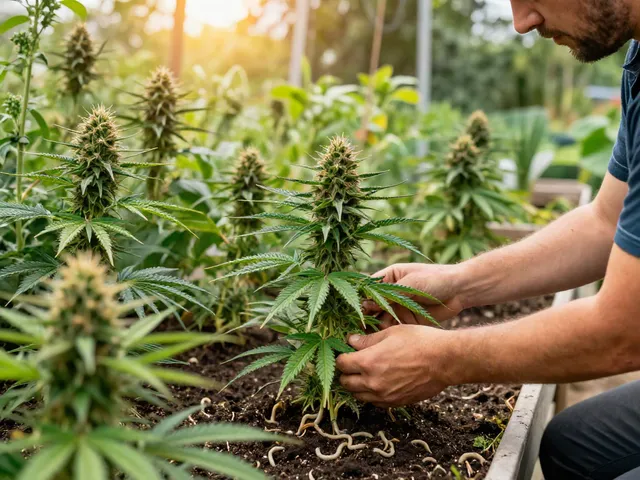
Understanding CBD and Its Health Benefits
In recent years, Cannabidiol (CBD) has taken the health and wellness community by storm, becoming a popular natural alternative for improving various aspects of well-being. With increasing evidence supporting its effectiveness, CBD products are being explored for a multitude of therapeutic applications, providing countless individuals with potential relief from conditions ranging from anxiety to chronic pain. As a non-psychoactive compound found in the cannabis plant, CBD interacts with the body’s endocannabinoid system (ECS) to help maintain homeostasis. When exploring options, Buds UK provides comprehensive insights into available CBD offerings that may elevate your wellness journey.
What are the therapeutic effects of CBD?
Research indicates that CBD holds promise as a therapeutic agent in various health contexts. Some of the noted therapeutic effects include:
- Anxiety and stress reduction: Studies suggest that CBD can help alleviate symptoms of anxiety by positively impacting serotonin receptors in the brain.
- Improved sleep quality: CBD might act as a natural remedy for insomnia, promoting relaxation and improving the overall quality of sleep.
- Pain relief: Analgesic properties of CBD have been documented, making it a potential treatment option for chronic pain conditions such as arthritis and fibromyalgia.
- Anti-inflammatory effects: CBD is known to have anti-inflammatory properties, which can aid in managing conditions associated with inflammation, such as acne and certain autoimmune diseases.
- Focus and cognitive support: Some research suggests that CBD may enhance concentration and cognitive function, providing a sense of mental clarity.
Potential applications of CBD for wellness
The applications of CBD in wellness are multifaceted. Users often turn to CBD for:
- Enhancing mood stability and emotional well-being.
- Supporting physical fitness by aiding post-workout recovery.
- Improving skin health, including reducing blemishes and signs of aging.
- Assisting in managing neurodegenerative disorders through neuroprotection.
Comparing CBD with other cannabinoids
CBD is one of many cannabinoids found in cannabis, each with unique properties. While CBD is known for its therapeutic implications without psychoactive effects, other cannabinoids such as THC (tetrahydrocannabinol) can induce a high. Additionally, CBG (cannabigerol) and CBN (cannabinol) are gaining attention for their potential benefits, though less research exists to back their applications. The combination of various cannabinoids may lead to the entourage effect, where the overall effect is enhanced when cannabinoids work synergistically. This insight underscores the importance of examining full-spectrum products that incorporate a variety of cannabinoids and beneficial terpenes.
Diverse Types of CBD Products Available
As the popularity of CBD continues to rise, so too does the diversity of product formulations available on the market. Understanding the spectrum of options can empower consumers to choose what aligns best with their needs.
Exploring oils, tinctures, and capsules
CBD oils and tinctures are among the most common forms of CBD consumption. CBD oil is typically administered sublingually, offering quick bioavailability as it rapidly enters the bloodstream. Tinctures, often combined with carrier oils, provide similar benefits. Capsules offer a convenient alternative for those preferring a standard dosing method and are useful for precise measurements without the taste of hemp. Onset time for oils and tinctures generally ranges from 15 to 30 minutes, while capsules might take longer due to digestion time.
Popular CBD edibles and beverages
CBD-infused edibles, such as gummies and beverages, offer a tasty way to consume CBD. Gummies are particularly popular due to their accessibility for users unfamiliar with tinctures or oils. However, the metabolism of CBD in edibles can lead to delayed effects, sometimes taking up to 1-2 hours for onset. Consequently, understanding individual tolerance and patience is crucial when using edibles.
Topical applications and their benefits
For localized treatment, CBD-infused topicals like creams, balms, and patches provide targeted relief. These products work through transdermal absorption, allowing CBD to penetrate the skin and interact with cannabinoid receptors close to the area of application. Such a method can be particularly beneficial for conditions like arthritis, muscle soreness, and skin irritations.
Dosage Guidelines for Safe CBD Use
Determining the correct dosage for CBD can be challenging due to variability in individual response, product concentration, and administration methods. To optimize efficacy while minimizing potential side effects, following safe dosing guidelines is essential.
Understanding bioavailability and dosing
Bioavailability refers to the proportion of CBD that enters the circulation when introduced into the body. Different delivery methods have varying bioavailability rates; for instance, sublingual oils tend to have higher bioavailability compared to oral edibles. Understanding these nuances can help individuals select the method that suits their needs best.
How to properly titrate CBD
Titration involves gradually adjusting the dosage to find the optimal level for individual needs. A recommended approach is to start low and go slow: begin with a small dose and gradually increase it while monitoring effects. This method allows users to identify their ideal dosage without overwhelming the body.
Common dosing mistakes to avoid
Some frequent errors when dosing CBD include:
- Starting with too high a dose, which can lead to unnecessary side effects.
- Not being patient and expecting immediate results, particularly with edibles.
- Failing to consider individual factors such as body weight, metabolism, and existing health conditions.
Ensuring Quality and Safety in CBD Products
With a growing market comes the importance of ensuring the quality and safety of CBD products. Understanding the elements that contribute to a product's integrity can protect consumers from subpar options.
Interpreting Certificates of Analysis (COA)
COAs are critical documents that detail the laboratory testing results of a CBD product, providing insights into potency and potential contaminants. A reputable product should always come with a current COA, demonstrating transparency and third-party verification.
Importance of third-party testing
Products that undergo third-party testing ensure impartial verification of contents, helping consumers feel confident about what they are using. This practice plays a significant role in identifying contaminants such as pesticides, heavy metals, and solvents, as well as confirming accurate CBD levels.
Identifying reputable brands in the market
To avoid low-quality products, consumers should look for brands that prioritize quality assurance through good manufacturing practices (GMP), organic certification, and positive customer reviews. Brands that provide comprehensive product information and engage in transparency are typically more trustworthy choices.
Legal Landscape of CBD in 2026
The legal status of CBD has evolved significantly; however, navigating the regulations requires due diligence from consumers. Understanding current laws and compliance issues can prevent legal missteps associated with cannabis products.
Current regulations and compliance issues
The 2018 Farm Bill legalized hemp-derived CBD with less than 0.3% THC at the federal level, but state regulations can vary. Consumers should familiarize themselves with their local laws to ensure compliance. Additionally, ongoing discussions related to FDA regulations signal potential changes to how CBD is marketed and sold.
Understanding THC limits and legal considerations
With THC limits typically enforced at 0.2% in the UK, products exceeding this threshold are illegal. However, federal regulations in the US allow for 0.3% THC. Users must remain informed on regulations in their respective regions, especially when considering travel with products.
Future outlook for CBD legislation
As more research underpins the efficacy of CBD, the landscape will likely evolve with an increased push for standardized regulations. Public opinion and scientific findings will shape future legislation, prompting potential changes to existing hemp-derived product regulations.
Can I buy CBD buds in the UK?
Yes, consumers in the UK can legally purchase CBD flowers, provided they contain less than 0.2% THC. Various retailers offer a selection of legally compliant CBD buds that can be used in various applications.
What are the best buds on the market?
Quality can depend on numerous factors such as strain genetics, growing conditions, and processing methods. Some well-reviewed strains often praised for their flavors and effects include Charlotte's Web and Sour Space Candy. Always look for brands that provide lab testing results to ensure quality assurance.
Which CBD flower shop in the UK is considered the best?
Several reputable CBD flower shops operate in the UK, offering diverse strains and products. The best shops typically feature user testimonials, third-party testing, and a wide array of products tailored to various consumer preferences.
Are there any side effects of using CBD?
Although generally considered safe, some users may experience side effects such as drowsiness, dry mouth, or changes in appetite or mood. It is advisable to consult a healthcare professional before embarking on CBD use, especially for individuals on medication or with underlying health conditions.
How do I ensure I'm purchasing quality CBD products?
Look for labels indicating third-party testing, and always request COAs for verification. Choosing trusted brands known for quality and transparency will enhance the likelihood of obtaining effective products while minimizing exposure to harmful contaminants.