
Posted on

Best 상봉동 한국관나이트 Dining Alternatives You Should Consider in 2026

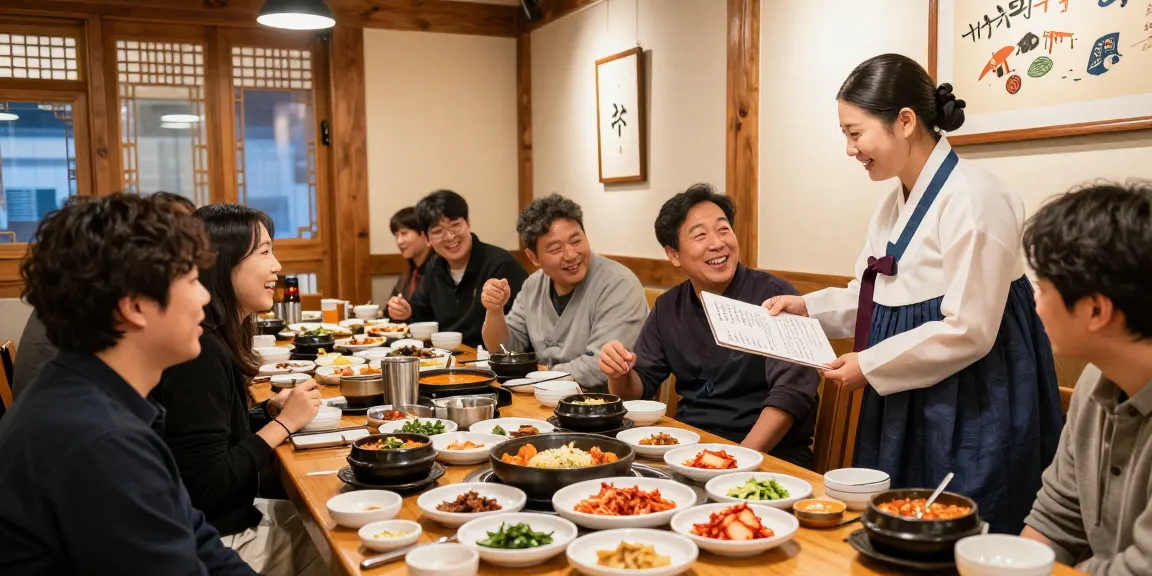
Experience lively dining at 상봉동 한국관나이트 with friends enjoying traditional dishes.

Understanding the Allure of Korean Dining Culture

Korean dining culture is steeped in tradition and communal sharing, making it a unique culinary experience that captivates food lovers worldwide. With a rich tapestry of flavors, colors, and textures, Korean cuisine is not just about the food; it’s a celebration of culture, community, and history. When exploring options, 상봉동 한국관나이트 provides comprehensive insights into this fascinating culture, offering dishes that reflect the essence of Korean dining.

What Makes 상봉동 한국관나이트 Unique?

상봉동 한국관나이트 stands out for its commitment to authentic Korean flavors while embracing innovative dining experiences. Located in the vibrant 상봉동 district, the restaurant offers a menu that showcases traditional favorites alongside contemporary interpretations. This unique blend ensures that every visit is not just a meal but a journey through Korea’s culinary landscape.

The Significance of Traditional Dishes in Korean Cuisine

At the heart of Korean cuisine lies a variety of traditional dishes, each rich in history and significance. From Bibimbap, a mixed rice dish symbolizing harmony, to Kimchi, the iconic fermented vegetable side dish representing the heart of Korean dining, every meal tells a story. Understanding these dishes is essential for appreciating the depth of flavors and the cultural values they carry.

Exploring Popular Korean Ingredients and Their Flavors

Korean cuisine is renowned for its bold flavors, which are achieved through a harmonious balance of key ingredients. Staples like gochujang (red chili paste), doenjang (fermented soybean paste), and sesame oil contribute to the complex flavor profiles that define Korean dishes. Fresh vegetables, seafood, and meats are common, emphasizing a seasonal approach to cooking that highlights the natural flavors of the ingredients.

Navigating the Dining Experience at 상봉동 한국관나이트

Dining at 상봉동 한국관나이트 is not just about the food; it’s about the entire experience. From the moment you enter, the ambiance reflects the essence of Korean culture with traditional decor and warm hospitality. This immersive experience invites guests to connect with the dining process, making it essential to navigate the offerings thoughtfully.

Understanding the Menu: Key Dishes to Try

The menu at 상봉동 한국관나이트 is a treasure trove of flavors. Some must-try dishes include:

  • Bulgogi: Marinated beef grilled to perfection, showcasing the sweet and savory balance characteristic of Korean flavors.
  • Japchae: Stir-fried glass noodles with vegetables and meat, offering a delightful texture and flavor combination.
  • Tteokbokki: Spicy rice cakes that provide a quintessential street food experience, beloved by many.

Tips for Making Reservations and Timing Your Visit

To ensure a memorable dining experience, it’s advisable to make reservations, especially during peak hours or weekends. Visiting during off-peak times can provide a more relaxed atmosphere, allowing guests to fully enjoy their meal and the surroundings. Additionally, special occasions may call for pre-arranged menus, so communicating with the restaurant ahead of time is beneficial.

What to Expect: Atmosphere and Service Style

The atmosphere at 상봉동 한국관나이트 is welcoming, characterized by authentic elements that reflect Korean culture. The service style is typically attentive yet unobtrusive, allowing diners to savor their experience fully. Staff members are knowledgeable about the menu and can provide recommendations based on diners’ preferences, enhancing the overall experience.

Exploring Other Top Korean Dining Options

While 상봉동 한국관나이트 offers an exceptional dining experience, there are many other worthy options in the area worth exploring. Each restaurant brings its unique offerings to the table, contributing to Korea’s diverse culinary landscape.

Comparing 상봉동 한국관나이트 with Local Competitors

Competitors often highlight different aspects of Korean cuisine, from regional specialties to modern takes on traditional dishes. Evaluating these options can help diners appreciate the variety available and find the most suitable dining spot for their cravings.

Hidden Gems: Lesser-Known Korean Restaurants to Discover

Beyond the more popular choices, there are hidden gems waiting to be discovered in the world of Korean dining. Small, family-run establishments often provide authentic dishes prepared with love and tradition, offering a unique perspective on Korean culinary culture.

How to Choose the Best Dining Option for Your Occasion

Selecting the right restaurant depends on various factors, including the occasion, desired atmosphere, and type of cuisine. Whether it’s an intimate celebration, a casual dinner, or a festive gathering, understanding the nuances of different establishments can enhance the dining experience.

Enhancing Your Korean Dining Experience

To fully immerse yourself in Korean dining culture, consider adopting some best practices that enhance your experience, allowing for both enjoyment and understanding of the cuisine.

Best Practices for Ordering and Sharing Dishes

In Korean dining, sharing is caring. Opt for several dishes to share among the table, as this not only allows for a broader tasting experience but also fosters conversation and connection. When ordering, consider including a mix of proteins, vegetables, and side dishes to balance the flavors.

Pairing Drinks: Traditional Beverages to Complement Meals

Pairing the right beverages with your meal can elevate the dining experience. Traditional drinks like soju and makgeolli (Korean rice wine) are excellent choices that complement the flavors of many Korean dishes. Each drink brings its unique character, enhancing the overall palate.

Decoding Korean Dining Etiquette for Newcomers

For those new to Korean dining, understanding the etiquette is crucial. This includes using both hands when passing dishes, respecting the order of serving, and engaging in polite conversation throughout the meal. These practices not only adhere to cultural norms but also enrich the dining experience.

The Future of Korean Dining in 2026 and Beyond

As we look towards 2026, the landscape of Korean dining continues to evolve, influenced by global trends and technological advancements. This evolution presents new opportunities for chefs and diners alike.

Emerging Trends in Korean Cuisine and Dining Styles

With the rise of health-conscious dining, many Korean restaurants are adapting their menus to include more plant-based options and healthier alternatives without sacrificing flavor. Additionally, the fusion of Korean flavors with other international cuisines is becoming increasingly popular, offering exciting new dishes that push culinary boundaries.

How Technology is Shaping the Restaurant Experience

Technology plays a significant role in shaping the restaurant experience, from online reservations to mobile ordering and social media engagement. Restaurants that embrace these technologies can enhance guest interactions, streamline operations, and create a more personalized dining experience.

Predictions for the Evolution of Korean Dining

As Korean cuisine gains global recognition, its future promises to be bright, with a continued emphasis on sustainability, innovation, and authentic experiences. Chefs who creatively blend traditional techniques with modern influences will likely become culinary leaders, driving the direction of Korean dining.

What Makes 상봉동 한국관나이트 Stand Out?

Ultimately, 상봉동 한국관나이트 encapsulates the essence of Korean dining culture through its dedication to quality, authenticity, and a rich dining experience. By understanding the restaurant’s unique offerings and how they fit within the broader Korean culinary landscape, diners can appreciate why this establishment is a standout choice in the thriving 상봉동 dining scene.
Posted on

10 Delicious Recipes to Elevate Your Culinary Skills

Food and Drink

Understanding Food and Drink Basics

Food and drink are fundamental aspects of human life, influencing our health, culture, and social interactions. Understanding the basics of nutrition, food groups, and cooking techniques is essential for making informed choices that contribute to overall well-being. This section will delve into the importance of nutrition, explore different food groups, and provide fundamental cooking techniques for beginners.

The Importance of Nutrition in Food Choices

Nutrition plays a critical role in our health, impacting everything from our energy levels to our mood. It is essential to understand the nutritional value of food choices to ensure a balanced diet that supports bodily functions. A well-rounded approach to nutrition includes understanding macronutrients (carbohydrates, proteins, and fats) and micronutrients (vitamins and minerals).

Research shows that poor nutrition can lead to various health issues, including obesity, heart disease, and diabetes. A study published in the American Journal of Public Health found that individuals who consume a diet high in whole foods and low in processed products are significantly healthier. Here are some practical tips for incorporating better nutrition into your food choices:

  • Prioritize whole, minimally processed foods such as fruits, vegetables, whole grains, and lean proteins.
  • Learn to read and understand food labels to make informed choices.
  • Focus on portion sizes to avoid overeating, particularly with calorie-dense foods.
  • Stay hydrated and limit sugary beverages.

Types of Food Groups and Their Benefits

Food can generally be categorized into five main groups, each contributing unique benefits to our health:

  1. Fruits and Vegetables: Rich in vitamins, minerals, antioxidants, and fiber, these foods help prevent chronic diseases.
  2. Grains: Whole grains provide essential carbohydrates and fiber, supporting digestive health and energy levels.
  3. Protein: Sources such as meat, fish, eggs, beans, and nuts are crucial for muscle growth, repair, and overall health.
  4. Dairy: This group offers calcium and vitamin D, important for bone health.
  5. Fats: Healthy fats from sources like avocados, olive oil, and nuts are vital for brain health and hormone production.

Incorporating a variety of foods from each group can help ensure a balanced diet that meets nutritional needs. For example, combining leafy greens with lean protein in a salad creates a nutrient-rich meal that is both filling and satisfying.

Basic Cooking Techniques for Beginners

Cooking is not just a necessity; it’s an art that allows for creativity and self-expression. Learning basic cooking techniques can empower individuals to create healthy meals. Here are some fundamental techniques:

  • Sautéing: A quick cooking method that uses a small amount of oil in a pan over medium-high heat to cook vegetables and proteins.
  • Boiling: Useful for cooking pasta, grains, and vegetables, boiling involves cooking food in water or broth at high temperatures.
  • Baking: Involves cooking food using dry heat in an oven, ideal for bread, pastries, and casseroles.
  • Grilling: A method that imparts a smoky flavor to meats and vegetables, grilling can be done outdoors or on a stovetop grill pan.
  • Roasting: Similar to baking but typically at higher temperatures, roasting brings out the natural sweetness in vegetables and enhances flavors in meats.

For beginners, starting with simple recipes that utilize these techniques can build confidence and skills in the kitchen. For example, try sautéing seasonal vegetables with garlic and olive oil as a side dish.

Exploring Global Cuisines

The world is rich with diverse cuisines, each offering unique flavors, ingredients, and cooking methods. Exploring global cuisines not only enhances culinary skills but also promotes cultural appreciation. This section will highlight regional ingredients, signature dishes, and how to replicate international recipes at home.

Regional Ingredients and Their Cultural Significance

Every culture has its staple ingredients that reflect its geography, climate, and history. For instance:

  • Rice in Asia: A fundamental food source, rice varies in preparation and type across different Asian countries, symbolizing sustenance and cultural identity.
  • Tomatoes in Italian Cuisine: Originating from the Americas, tomatoes became essential in Italian cooking, symbolizing innovation and adaptation in culinary practices.
  • Spices in Indian Cooking: The use of spices not only enhances flavor but also represents centuries of trade and cultural exchange.

Understanding these ingredients’ cultural significance can enrich the cooking experience, allowing for a deeper connection to the food we prepare and consume.

Signature Dishes from Around the World

Signature dishes often embody the essence of a culture, showcasing local ingredients and traditional cooking methods. Here are a few iconic examples:

  • Sushi (Japan): A combination of vinegared rice, fresh seafood, and vegetables, sushi reflects Japan’s emphasis on seasonality and presentation.
  • Tacos (Mexico): Versatile and colorful, tacos highlight the use of corn tortillas filled with a variety of ingredients, showcasing the country’s rich culinary heritage.
  • Paella (Spain): A rice dish cooked with saffron and a mix of seafood, meats, and vegetables, paella represents the communal aspect of Spanish dining.

These dishes can inspire home cooks to explore new flavors and techniques. Attempting to recreate a signature dish can be a fun culinary challenge that offers insights into another culture.

How to Replicate International Recipes at Home

Bringing the flavors of international cuisines into your kitchen can be an exciting adventure. Here’s how to get started:

  1. Research Authentic Recipes: Start with trusted sources like cookbooks or reputable food blogs that specialize in the cuisine.
  2. Gather Ingredients: Source authentic ingredients from specialty markets or online stores. For example, Mexican recipes may require specific chilies or tortillas.
  3. Follow Techniques: Pay attention to cooking techniques unique to the cuisine, such as the proper way to roll sushi or cook rice perfectly for a risotto.
  4. Experiment and Adapt: While authenticity is important, feel free to adjust recipes based on local ingredient availability and personal taste.

Cooking international recipes can broaden culinary horizons and foster a greater appreciation for cultural diversity.

The Science of Food and Drink Pairing

Pairing food and drink is both an art and a science that can enhance dining experiences. Understanding the principles of flavor combinations can elevate meals and create memorable occasions. This section will explore the fundamental principles of pairing, the role of acidity and texture, and advanced pairing techniques.

Principles of Flavor Combinations

Successful food and drink pairing hinges on understanding how flavors interact. Some foundational principles include:

  • Complementary Flavors: Pairing foods and drinks with similar flavor profiles, such as spicy foods with sweet wines, can create a harmonious experience.
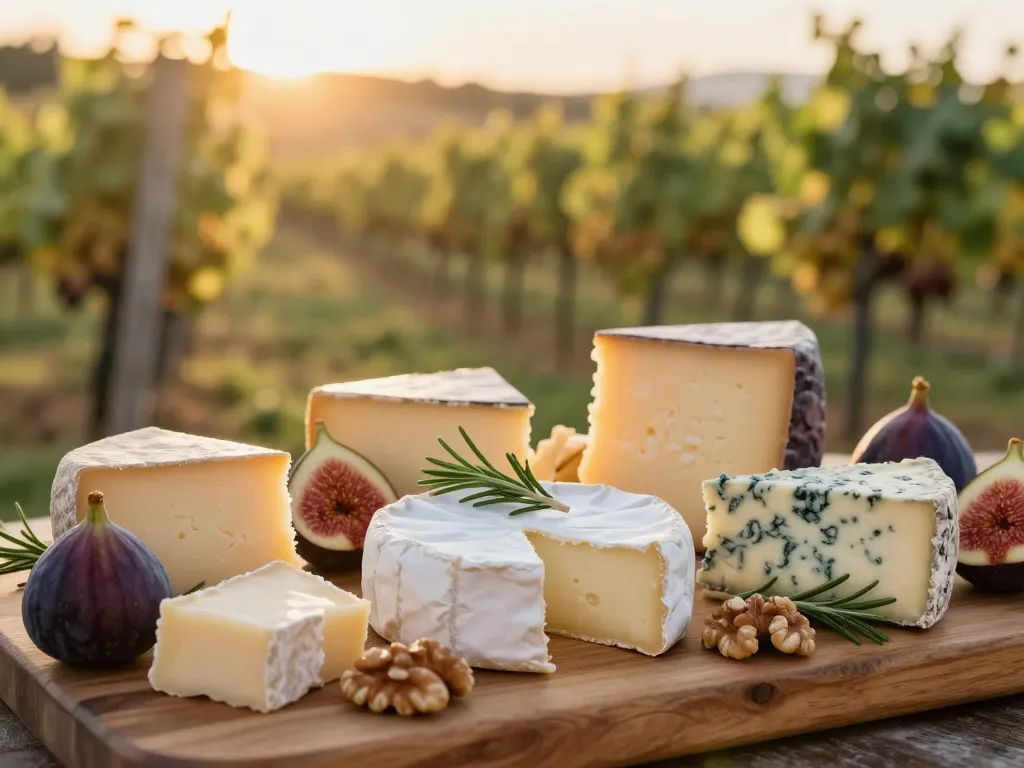
  • Contrasting Flavors: Balancing rich, fatty foods with acidic drinks (like a zesty sauvignon blanc with creamy cheese) can enhance both elements.
  • Regional Pairings: Foods and drinks from the same region often pair well together, as they have evolved to complement each other over time.

For example, pairing a robust Cabernet Sauvignon with a hearty steak showcases the wine’s tannins while enhancing the meat’s flavors.

The Role of Acidity and Texture in Pairing

Acidity and texture are crucial elements in achieving balance in food and drink pairings. Acidity can cut through richness, while texture can enhance mouthfeel. Here’s how they play a role:

  • Acidity: Foods with high acidity, like citrus or vinegar, can brighten dishes and elevate pairings with rich ingredients, such as fried foods or fatty meats.
  • Texture: Pairing drinks with similar textures (like bubbly champagne with crispy fried foods) can create a delightful sensory experience.

Experimenting with acidity and texture can help you discover exciting new pairings that elevate your meals.

Advanced Pairing Techniques for Enthusiasts

For those looking to take their pairing skills to the next level, consider these advanced techniques:

  • Flavor Mapping: Create a flavor map to visualize how different flavors interact, helping to identify potential pairings.
  • Use of Umami: Incorporate umami-rich foods (like mushrooms or aged cheese) into pairings for depth and complexity.
  • Seasonal Pairings: Utilize seasonal ingredients in pairings to highlight freshness and vibrancy.

Advanced pairing requires practice and experimentation. Keep a journal of successful pairings to refine your skills over time.

Nutrition Trends and Dietary Restrictions

As our understanding of health and nutrition evolves, so do dietary trends and restrictions. This section will explore common dietary lifestyles, adapting recipes for allergies, and evaluating health claims of popular food trends.

Understanding Common Dietary Lifestyles (Vegan, Keto, etc.)

Various dietary lifestyles have gained popularity, each with unique principles and health benefits. Some of the most common include:

  • Vegan: Excludes all animal products, focusing on plant-based foods. Studies show that a well-planned vegan diet can reduce the risk of chronic diseases.
  • Keto: A low-carb, high-fat diet that aims to induce ketosis, promoting fat burning for energy. Research supports its effectiveness for weight loss in the short term.
  • Paleo: Focuses on whole foods, mimicking the diet of early humans. Proponents claim it can improve health and weight management.

Understanding these lifestyles can help individuals make informed dietary choices and navigate social situations involving food.

Adapting Recipes for Allergies and Sensitivities

Food allergies and sensitivities are increasingly common, requiring adaptations in recipes to accommodate various needs. Here are some practical tips:

  • Identify Allergens: Common allergens include gluten, dairy, nuts, and shellfish. Familiarize yourself with substitutes for these ingredients.
  • Experiment with Alternatives: Use gluten-free flours, plant-based milks, or nut-free spreads to adapt recipes while maintaining flavor and texture.
  • Communicate: When cooking for others, always ask about dietary restrictions to ensure safety and inclusivity.

Adapting recipes can not only accommodate dietary needs but also inspire creativity in the kitchen.

Evaluating the Health Claims of Popular Food Trends

With the rise of social media, food trends often come with bold health claims. It’s essential to evaluate these claims critically:

  • Research Evidence: Investigate studies supporting health claims. Reliable sources include peer-reviewed journals and nutrition organizations.
  • Consult Professionals: When in doubt, seek advice from registered dietitians or nutritionists who can provide personalized guidance.
  • Focus on Whole Foods: Prioritize a balanced diet rich in whole foods over trendy supplements or diets that promise quick fixes.

By critically assessing food trends, individuals can make informed choices that align with their health goals.

Food and Drink Industry Innovations

The food and drink industry is continuously evolving, driven by innovation and the growing demand for sustainability and ethical practices. This section will explore the rise of sustainable eating, technological advances in food production, and future trends in food and beverage consumption.

The Rise of Sustainable and Ethical Eating

As awareness of environmental and ethical issues grows, more consumers are seeking sustainable food options. Key aspects include:

  • Local Sourcing: Prioritizing locally sourced ingredients reduces carbon footprints and supports local economies.
  • Plant-Based Diets: The shift towards plant-based diets is linked to lower greenhouse gas emissions and improved health outcomes.
  • Ethical Animal Farming: Consumers are increasingly concerned with animal welfare, prompting the rise of humane and organic farming practices.

Businesses that embrace sustainability are not only meeting consumer demand but also contributing to a healthier planet.

Technological Advances in Food Production and Preservation

Technology is revolutionizing food production, making it more efficient and sustainable. Innovations include:

  • Vertical Farming: This method utilizes controlled environments to grow crops in urban settings, reducing the need for pesticides and transportation.
  • Food Preservation Techniques: Advances in preservation methods, such as freeze-drying and vacuum sealing, help extend shelf life while retaining nutrients.
  • Lab-Grown Meat: Emerging technologies are enabling the production of meat alternatives that reduce environmental impact while meeting consumer demand.

These innovations not only enhance food security but also pave the way for a more sustainable future in food production.

Future Trends in Food and Beverage Consumption

As consumer preferences evolve, several key trends are expected to shape the future of food and beverage consumption:

  • Personalized Nutrition: Advances in technology may allow for tailored dietary recommendations based on individual genetics and health data.
  • Functional Foods: Foods with additional health benefits, such as probiotics and fortified products, are likely to gain popularity as consumers seek to boost overall health.
  • Meal Kits and Delivery Services: The convenience of meal kits and food delivery services is expected to continue growing, catering to busy lifestyles.

Staying informed about these trends can help consumers make choices that align with their values and health goals.