
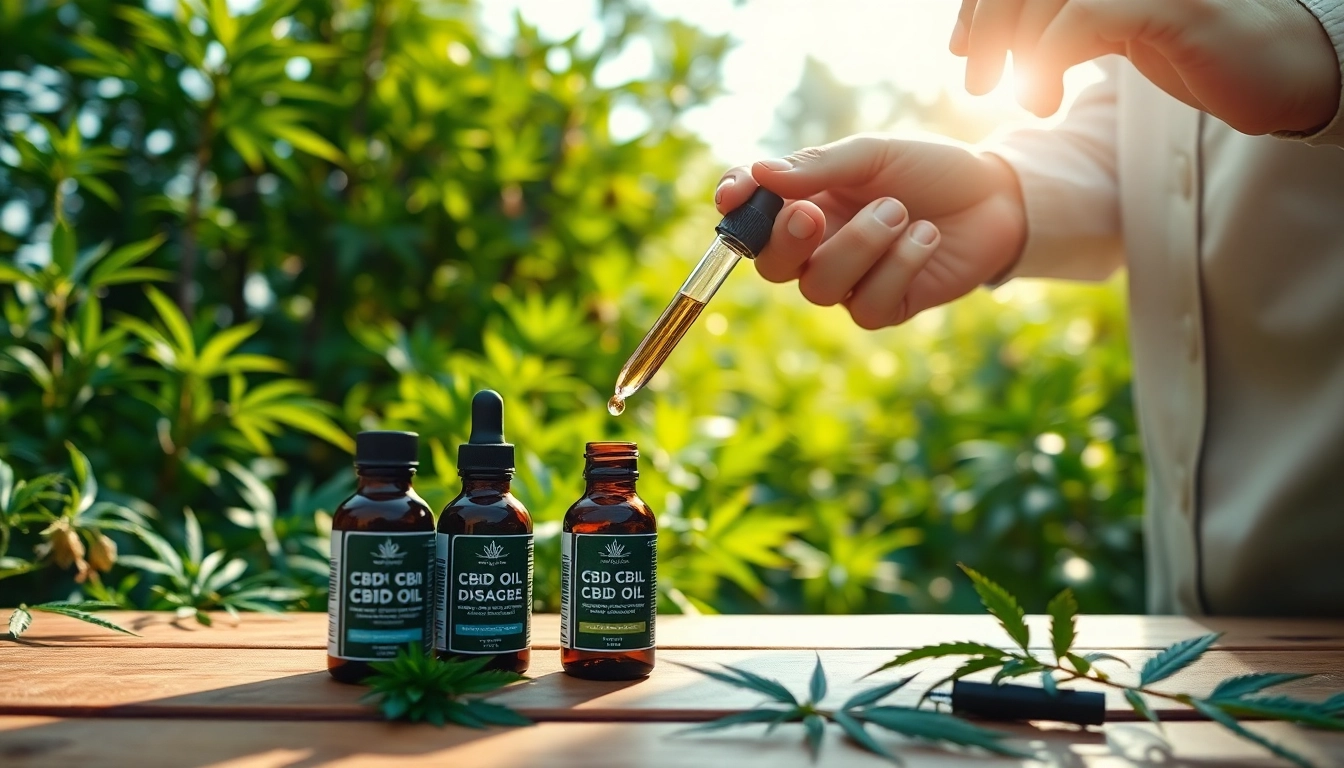
Introduction to CBD Oil and Its Benefits
Cannabidiol, commonly known as CBD, has surged in popularity in recent years, becoming synonymous with wellness and holistic health. As part of the hemp plant, CBD oil offers a range of therapeutic benefits without the psychoactive effects associated with its cousin, THC. This comprehensive CBD oil dosage guide will explore the essentials of CBD oil, its health benefits, and how to effectively determine and monitor your dosage for optimal results.
What is CBD Oil?
CBD oil is derived from the Cannabis sativa plant, specifically from strains that are low in THC and high in CBD. It comes in various formulations, including full-spectrum, broad-spectrum, and CBD isolate, each providing different benefits depending on the individual’s needs. Full-spectrum CBD oil contains other cannabinoids, terpenes, and compounds from the cannabis plant, offering the "entourage effect," where these elements work synergistically to enhance therapeutic effects.
Health Benefits of CBD
CBD is touted for an array of health benefits supported by scientific research. Some of the most prominent benefits include:
- Relief from Chronic Pain: CBD interacts with the endocannabinoid system, which plays a role in pain regulation, potentially providing relief for conditions like arthritis, migraines, and other chronic pain disorders.
- Anxiety and Stress Reduction: Many users report that CBD helps alleviate anxiety, making it a popular choice for those suffering from social anxiety, post-traumatic stress disorder (PTSD), or general stress.
- Improvement in Sleep Quality: By addressing underlying issues like anxiety and pain, CBD may contribute to better sleep patterns, aiding those with insomnia or sleep disorders.
- Support for Skin Health: CBD’s anti-inflammatory properties also make it beneficial for skin conditions such as acne and eczema, by reducing inflammation and sebum production.
Understanding Cannabinoids
Cannabinoids are chemical compounds that interact with the body’s endocannabinoid system (ECS), which regulates various physiological processes. Besides CBD, there are many cannabinoids, including THC and CBG. Each has unique effects, and understanding how they function can help users choose the right product to meet their needs.
Determining Your CBD Oil Dosage
Finding the right CBD oil dosage can be challenging, as it varies for each individual based on various factors such as weight, metabolism, and the specific condition being treated. Here, we will explore how to determine your ideal CBD oil dosage.
Factors Influencing CBD Dosage
Several factors can influence how much CBD oil you should take:
- Body Weight: Generally, heavier individuals may require a higher dosage of CBD.
- Condition Being Treated: Those with more severe symptoms might need a higher dose to achieve the desired effects.
- Metabolism: Metabolic rates can affect how quickly and effectively CBD is absorbed, influencing dosage needs.
- Personal Body Chemistry: Everyone's body reacts differently to CBD, so individual experiences can vary.
Common Dosage Recommendations
While there is no universal dosage of CBD oil, many sources suggest starting with a low dose and gradually increasing it until you find what works for you. A common starting point is between 5-10mg of CBD per day. Some other general guidelines include:
- Light Users: 5-10mg per day
- Average Users: 10-20mg per day
- Heavy Users: 20-40mg per day
It’s crucial to note that these recommendations can vary based on individual needs and product concentration.
How to Start with CBD Oil Dosage
To begin with CBD oil dosage, consider these steps:
- Consult Healthcare Professionals: Always consult a healthcare provider before starting any new supplement, especially if you have existing health conditions or are on medications.
- Choose the Right Product: Start with a reputable CBD product that clearly states the concentration and provide third-party testing for purity and potency.
- Begin with a Low Dose: Take an initial low dose (5-10mg) once a day and monitor your body’s reactions.
- Monitor Your Body's Response: Pay attention to how your body responds over several days or weeks.
- Adjust Gradually: If needed, gradually increase your dosage by 5mg every week until you achieve the desired effects.
Methods of Taking CBD Oil
CBD oil can be consumed in various ways, and the method of consumption can affect how quickly it takes effect and how effectively the body absorbs the compound.
Different Forms of CBD Oils
CBD oil is available in several forms, including:
- Tinctures: Liquid extracts administered sublingually for quick absorption.
- Capsules: Convenient options with pre-measured doses, ideal for those who prefer a straightforward method.
- Edibles: Gummies or other food items infused with CBD, which provide a delicious way to consume CBD but may take longer to take effect.
- Topicals: Creams or balms infused with CBD for localized relief, often used for skin conditions or joint pain.
Best Practices for Dosage Administration
For successful CBD oil consumption, consider these best practices:
- Follow Recommendations: Always adhere to the recommended dosage instructions provided with the product.
- Use a Dropper for Tinctures: For tinctures, use the included dropper to measure your dosage accurately.
- Take with Food: Consuming CBD with a meal may enhance absorption and bioavailability.
Choosing the Right Method for You
Choosing the appropriate method of taking CBD oil depends on your personal preferences, lifestyle, and specific health goals. Experimenting with different methods can help you determine which works best for your individual needs.
Monitoring Effects and Adjusting Dosage
Once you begin using CBD oil, monitoring its effects and adjusting your dosage is crucial for achieving the best results.
Recognizing Benefits and Side Effects
While CBD is generally well-tolerated, some individuals may experience side effects, including fatigue, diarrhea, or changes in appetite. Recognizing both the positive benefits, such as reduced anxiety or improved sleep, and negative side effects will guide you in adjusting your dosage accordingly.
When to Adjust Your Dosage
Consider adjusting your dosage if:
- You experience no noticeable improvements in your symptoms after several weeks.
- You encounter adverse side effects that interfere with your quality of life.
Always make gradual adjustments, increasing or decreasing your dosage by small increments, to find the right balance.
Keeping a CBD Journal
Keeping a journal can be an effective way to track your CBD usage. Documenting your dosage, consumption method, symptoms experienced, and overall well-being can provide valuable insights into your individual response and help refine your dosage over time.
FAQs about CBD Oil Dosage Guide
What is the best starting dosage for CBD oil?
Most recommendations suggest starting between 5-10mg per day, adjusting as needed based on your body's response.
Can CBD oil overdose occur?
While CBD is considered safe, high doses may cause side effects like fatigue or diarrhea. Always consult a healthcare professional before increasing dosage.
How long does it take for CBD oil to work?
Effects can vary. Tinctures may provide relief within 15-30 minutes, while edibles may take 1-2 hours for noticeable effects.
Is CBD oil safe for children?
While some evidence suggests potential benefits, parents should consult healthcare providers before giving CBD oil to children.
Can I mix CBD oil with other medications?
Consult a healthcare professional before combining CBD with other medications, as it may interact with certain drugs.