
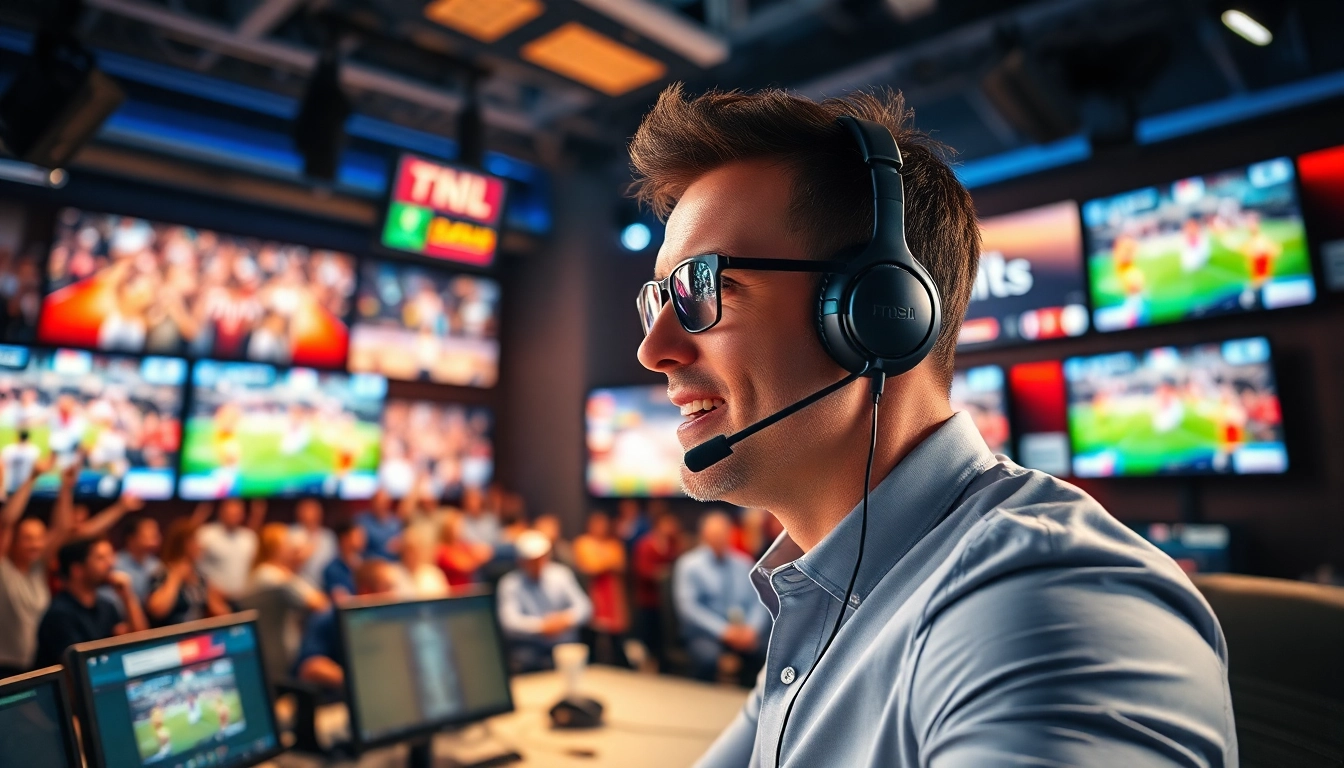
Understanding Sports Broadcasting
What is Sports Broadcasting?
Sports Broadcasting refers to the process of transmitting live or recorded sports events to an audience through various media channels including television, radio, and online platforms. This form of communication not only brings the thrill of the game directly into homes but also enhances viewer engagement through analysis, commentary, and visual storytelling. As the landscape of Sports Broadcasting evolves, the integration of Sports Broadcasting with innovative technologies has transformed viewer experiences, making sports more accessible than ever before.
The Evolution of Sports Broadcasting
Sports Broadcasting has a rich history dating back to the early 20th century. Initially, sports events were broadcasted via radio, allowing fans to tune in live and listen to game commentary. As television became increasingly popular in the mid-1900s, the medium revolutionized how audiences consumed sports, providing visual experiences that radio could not. Over time, cable television expanded coverage, offering niche sports channels dedicated to specific events, and digital streaming services have now taken the forefront, allowing fans to watch live games from around the globe on demand.
Key Roles in Sports Broadcasting
The sports broadcasting ecosystem is composed of various key roles, including:
- Producers: They oversee the overall production of broadcasts, ensuring that everything runs smoothly.
- Commentators: Analysts and play-by-play speakers provide detailed analyses, insights, and narrate the action taking place during the game.
- Camera Operators: Responsible for capturing visuals, they position cameras to provide the best angles of the action.
- Technical Crew: These professionals manage sound, lighting, and other technical aspects of the broadcast, ensuring high-quality output.
Techniques for Effective Sports Broadcasting
Scriptwriting and Storytelling in Sports Broadcasting
Effective scriptwriting in sports broadcasting is crucial for captivating an audience. It involves planning the narrative or storyline of the broadcast from the opening credits to the concluding remarks. Writers must weave facts, stats, and anecdotes into the commentary, using storytelling techniques to create an emotional connection. This is particularly important during high-stakes events where building suspense can enhance viewership and engagement.
Engaging Your Audience Through Commentary
Commentary is an art form that goes beyond simply describing what is happening in a game. Successful commentators engage their audience by offering insights, contextual background, and personal stories about the players and teams. They must be skilled at varying their tone, pacing, and emotional delivery to match the intensity of the event while keeping the audience enthralled. The best commentators can turn a single play into a pivotal moment in sports history through compelling storytelling.
Utilizing Technology in Sports Broadcasting
Technology plays a crucial role in modern sports broadcasting. Innovations such as instant replay, augmented reality graphics, and advanced analytics have changed how audiences experience sports events. Drones provide unique aerial footage, while streaming platforms enable fans to watch from anywhere. Broadcasters must stay abreast of emerging technologies to engage viewers with interactive content that enhances their viewing experience.
Challenges in the Sports Broadcasting Industry
Addressing Competition and Market Saturation
The explosion of digital content has resulted in fierce competition in the sports broadcasting market. Numerous channels and streaming services vie for viewers' attention, leading to market saturation. Broadcasters must differentiate themselves through unique content, innovative formats, and multi-platform strategies to capture and maintain their audience's interest effectively.
Navigating Legal Issues in Sports Broadcasting
Legal challenges in sports broadcasting are significant, particularly concerning copyright and licensing rights for broadcasting events. Ensuring compliance with various regulations while negotiating broadcasting rights agreements is paramount for broadcasters. Additionally, the rapid shift to online streaming presents new legal complexities around international broadcasting rights that need to be navigated carefully.
Adapting to Changing Viewer Preferences
Viewer preferences are continually shifting, influenced by factors such as changes in technology, demographics, and social media trends. Broadcasters need to monitor these trends closely and adapt content to suit their audience’s tastes. For instance, younger viewers might prefer shorter, highlight-driven content on social media platforms, while traditional audiences may lean toward comprehensive coverage and thorough analysis. Balancing these preferences is crucial for engaging a diverse fan base.
Best Practices in Sports Broadcasting
Building Your Personal Brand as a Broadcaster
In an industry characterized by competition, developing a personal brand is essential for broadcasters aspiring to stand out. This involves curating a unique identity, whether it be through a signature style of commentary, developing a rapport with fans, or creating a strong online presence on social media. Personal branding can foster viewer loyalty and establish credibility within the industry.
Networking with Industry Professionals
Networking within the sports broadcasting industry is a vital strategy for career advancement. Engaging with peers, attending industry events, and leveraging social media platforms can open doors to new opportunities. Building relationships with other broadcasters, producers, and media professionals can lead to collaborations that can enhance one’s career trajectory.
Continuous Learning and Skill Improvement
The sports broadcasting landscape is ever-evolving, making continuous learning critical for staying relevant. Engaging in workshops, courses, and industry seminars can help broadcasters enhance their skill sets and stay informed about emerging trends. Additionally, watching and analyzing other broadcasters can provide insights into techniques that can be adapted to improve one’s style.
Measuring Success in Sports Broadcasting
Metrics to Evaluate Broadcasting Performance
Measuring success in sports broadcasting is multidimensional. Key performance indicators (KPIs) include viewer ratings, audience engagement metrics, and social media interactions. Analyzing these metrics can provide broadcasters with insights into what resonates with their audience, helping refine content strategy. It’s crucial to track these metrics regularly to gauge performance effectively.
Gathering Audience Feedback and Insights
Collecting feedback from the audience is key to understanding their preferences and improving broadcasts. Surveys, social media polls, and direct interactions can provide valuable insights into viewer opinions on content quality, commentary styles, and event coverage. Utilizing qualitative feedback allows broadcasters to adjust their strategies to better meet the expectations of their audience.
Adapting Strategies for Future Growth
In the dynamic field of sports broadcasting, adaptability is essential for long-term growth. Broadcasters must remain agile, responding to shifts in viewer behavior, technological advances, and changes in the competitive landscape. Regular evaluations of strategies, along with incorporating audience feedback, will enable broadcasters to anticipate trends and innovate effectively, ensuring sustained relevance in the industry.
Frequently Asked Questions
What is the primary role of a sports broadcaster?
The primary role of a sports broadcaster is to provide commentary, analyses, and play-by-play descriptions of live sporting events, enhancing viewer engagement and experience.
How has technology impacted sports broadcasting?
Technology has transformed sports broadcasting by enhancing visual experiences through instant replay, augmented reality, and multi-platform streaming options, improving viewer engagement.
What skills are essential for a successful sports broadcaster?
Key skills include effective communication, storytelling ability, deep sports knowledge, adaptability, and proficiency in utilizing broadcasting technologies.
How do broadcasters measure audience engagement?
Audience engagement is measured through metrics such as viewer ratings, social media interactions, viewer feedback, and participation in audience-driven content activities.
Why is personal branding important in sports broadcasting?
Personal branding helps broadcasters stand out in a competitive market, allowing them to build viewer loyalty and credibility through a unique broadcast style and engagement.