
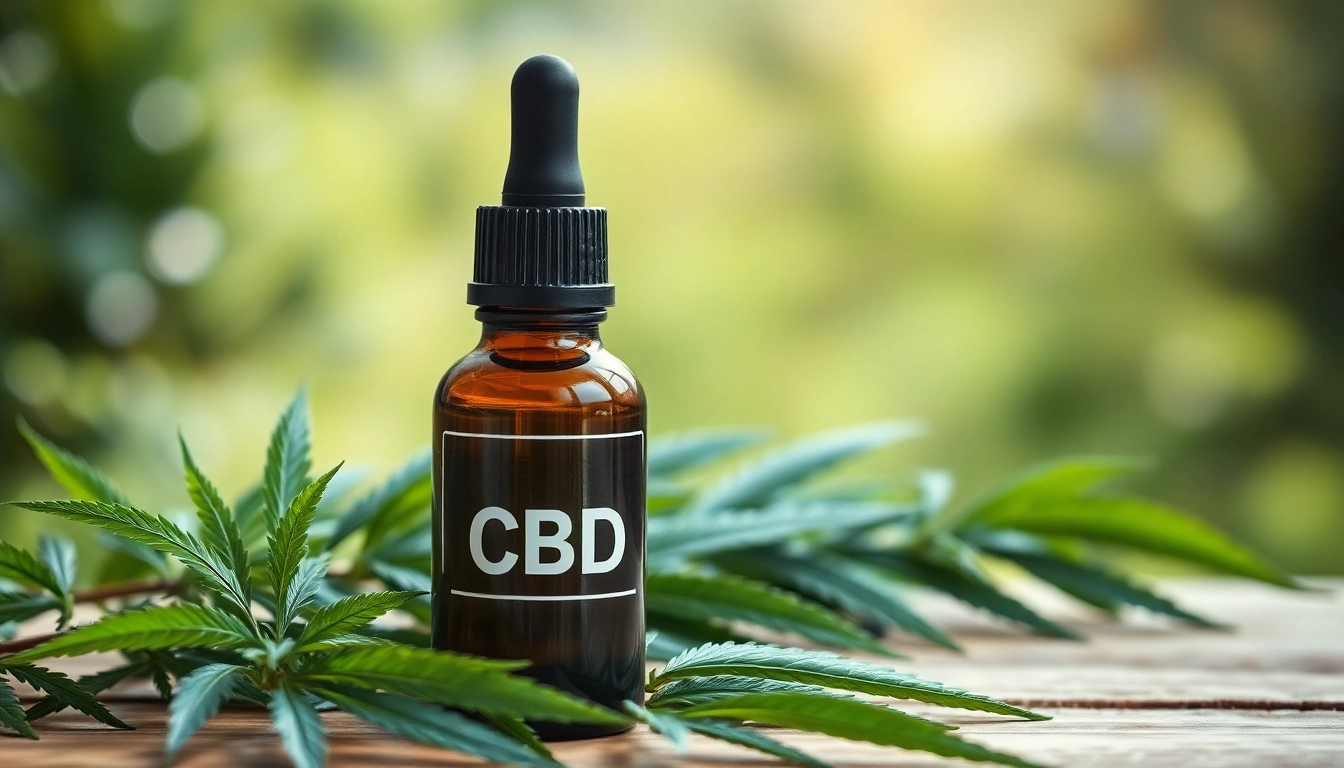
Introduction to CBD: What You Need to Know
Cannabidiol, commonly referred to as CBD, is a naturally occurring compound found in the cannabis plant. It belongs to a class of compounds known as cannabinoids, which interact with the human body’s endocannabinoid system to produce various effects. Unlike its more famous counterpart, tetrahydrocannabinol (THC), CBD is non-psychoactive and does not create a "high," making it an appealing choice for many looking to explore the potential therapeutic benefits of cannabis without the associated intoxication. Understanding CBD is essential for both consumers and healthcare providers alike, as the compound gains popularity in wellness and recovery circles.
The Basics of CBD and Its Origins
CBD is derived primarily from hemp, a variety of the Cannabis sativa plant. Hemp contains 0.3% or less THC, which is the legal threshold for hemp-derived products in many parts of the world, including the United States. The extraction process typically involves using solvents or oils to extract the CBD from the plant material, resulting in oils, tinctures, edibles, and other products.
How CBD Differs From Other Cannabinoids
There are over 100 different cannabinoids found in cannabis, each with unique properties and effects. THC is the most well-known due to its psychoactive effects, whereas CBD interacts differently with the body’s cannabinoid receptors, primarily the CB1 and CB2 receptors of the endocannabinoid system. This distinction is what separates CBD from THC and contributes to its growing interest in medical and therapeutic contexts. Unlike THC, CBD is not addictive and has been reported as safe for most users.
The Legal Status of CBD in the United States
The legal landscape for CBD in the United States became more defined after the passage of the 2018 Farm Bill, which legalized the cultivation of hemp and the sale of hemp-derived CBD products at the federal level, provided that they contain no more than 0.3% THC. However, state regulations can vary significantly. Some states have embraced CBD wholeheartedly, while others maintain strict regulations or outright bans.
Health Benefits of CBD: Backed by Research
Research into the health benefits of CBD has accelerated in recent years, revealing significant potential for therapeutic applications. While further studies are needed to confirm many claims, several areas have shown promising results.
Common Therapeutic Uses of CBD
Among the most commonly reported benefits, CBD has been associated with:
- Anxiety Relief: Studies suggest that CBD may help alleviate anxiety and improve mood in people dealing with Generalized Anxiety Disorder (GAD) and social anxiety.
- Pain Management: CBD has been indicated to have anti-inflammatory properties, which may help reduce chronic pain associated with conditions like arthritis or multiple sclerosis.
- Neuroprotective Properties: Preliminary research suggests that CBD may be beneficial in neurodegenerative diseases like Alzheimer’s, Parkinson’s, and Huntington's disease.
- Sleep Disorders: CBD has been associated with improved sleep quality in people suffering from insomnia, allowing for a more restful night.
Scientific Studies Supporting CBD Benefits
Numerous studies have highlighted the potential therapeutic benefits of CBD. For example, a systematic review published in 2019 found that CBD significantly reduced anxiety in both human and animal studies. Another study found that CBD oil reduced the frequency of seizures in individuals with treatment-resistant epilepsy. While these findings are encouraging, it’s crucial to approach the claims surrounding CBD with a critical mind and rely on well-conducted clinical studies to guide usage.
Understanding the Limitations of CBD Claims
Despite the promising research, CBD is not a one-size-fits-all solution. Many factors can influence its effectiveness, including dosage, consumption method, and individual biochemistry. Additionally, the lack of regulation in the CBD market can lead to variations in product quality and potency. It is vital for consumers to conduct thorough research and consult healthcare professionals before beginning CBD usage.
How to Use CBD Safely and Effectively
Safety and effectiveness are paramount when considering the incorporation of CBD into one's health regimen. Understanding proper dosage, potential side effects, and interactions with other medications is important for safe use.
Recommended Dosage and Forms of CBD
Determining the appropriate CBD dosage can vary widely based on individual factors like weight, health condition, and the reason for use. Starting with a low dose and gradually increasing it until desired effects are achieved is a good practice. Common forms of CBD include:
- Oils and Tinctures: Usually taken sublingually for quick absorption.
- Capsules and Edibles: Provide a precise dosage and easy consumption, although they may take longer to take effect.
- Topicals: Applied directly on the skin for localized relief.
Potential Side Effects and Interactions
While most users tolerate CBD well, it can cause side effects in some individuals, including:
- Dry mouth
- Drowsiness
- Changes in appetite
- Diarrhea
It's also possible for CBD to interact with certain medications, particularly those metabolized by the liver. Consulting with a healthcare provider is essential for those on medication.
Consulting with Healthcare Professionals
Engaging with healthcare professionals ensures that individuals understand how CBD may interact with their health conditions and other medications. Practitioners can offer guidance and personalized recommendations, which is invaluable for anyone considering CBD as part of their health plan.
Understanding CBD Products: A Buyer’s Guide
The diversity of CBD products flooding the market can be overwhelming. However, consumers can navigate these options effectively by understanding the different types of products, quality indicators, and labeling standards.
Different Types of CBD Products Available
In addition to oils and tinctures, CBD is available in various forms, catering to different preferences:
- Vaping Products: Quick onset of effects but comes with potential respiratory risks.
- Bath Bombs and Skincare: Palm oils infused with CBD for topical and aromatic benefits.
- Beverages: CBD-infused drinks provide an enjoyable way to consume CBD.
Quality Indicators to Look for in CBD Products
When purchasing CBD products, consumers should focus on quality indicators, including:
- Source of Hemp: Look for products sourced from reputable farms that follow organic farming practices.
- Third-Party Testing: Products should have lab results available to confirm potency and purity.
- Extraction Method: CO2 extraction is preferred, as it produces high-quality oil without harmful residual solvents.
Understanding CBD Labels and Certifications
Reading labels carefully is essential when purchasing CBD products. Consumers should check for clear labeling of CBD content, the presence of THC (if any), and indications of any other ingredients. Certifications from recognized organizations can add an extra layer of assurance regarding product quality.
The Future of CBD: Trends and Innovations
The CBD landscape is continually evolving, driven by ongoing research and shifts in consumer perception. Innovative products and formulations are emerging, broadening the spectrum of potential applications.
Emerging Research in CBD Treatments
Ongoing clinical trials are expected to explore even more potential therapeutic benefits of CBD. Areas including cancer treatment, neurodegenerative conditions, and metabolic disorders are on the research forefront. Furthermore, as the body of evidence grows, regulatory frameworks may adapt, allowing for broader therapeutic claims.
Consumer Attitudes Toward CBD
Consumer interest in CBD continues to rise, fueled by positive testimonials regarding its benefits. As educational resources become more accessible, public understanding of CBD is improving, fostering a more informed community that recognizes CBD's potential while approaching its challenges cautiously.
Market Trends in the CBD Industry
The CBD market is witnessing substantial growth, with expanding product offerings targeting wellness, beauty, food, and beverage sectors. Additionally, brands are increasingly focusing on transparency and sustainability to build consumer trust and loyalty.
In conclusion, while CBD exhibits promising therapeutic potential, it is important for individuals to approach its use thoughtfully, taking into account the variances in product quality, legality, and personal health conditions. The future of CBD remains bright, with innovations and research paving the way for even greater acceptance and application.