
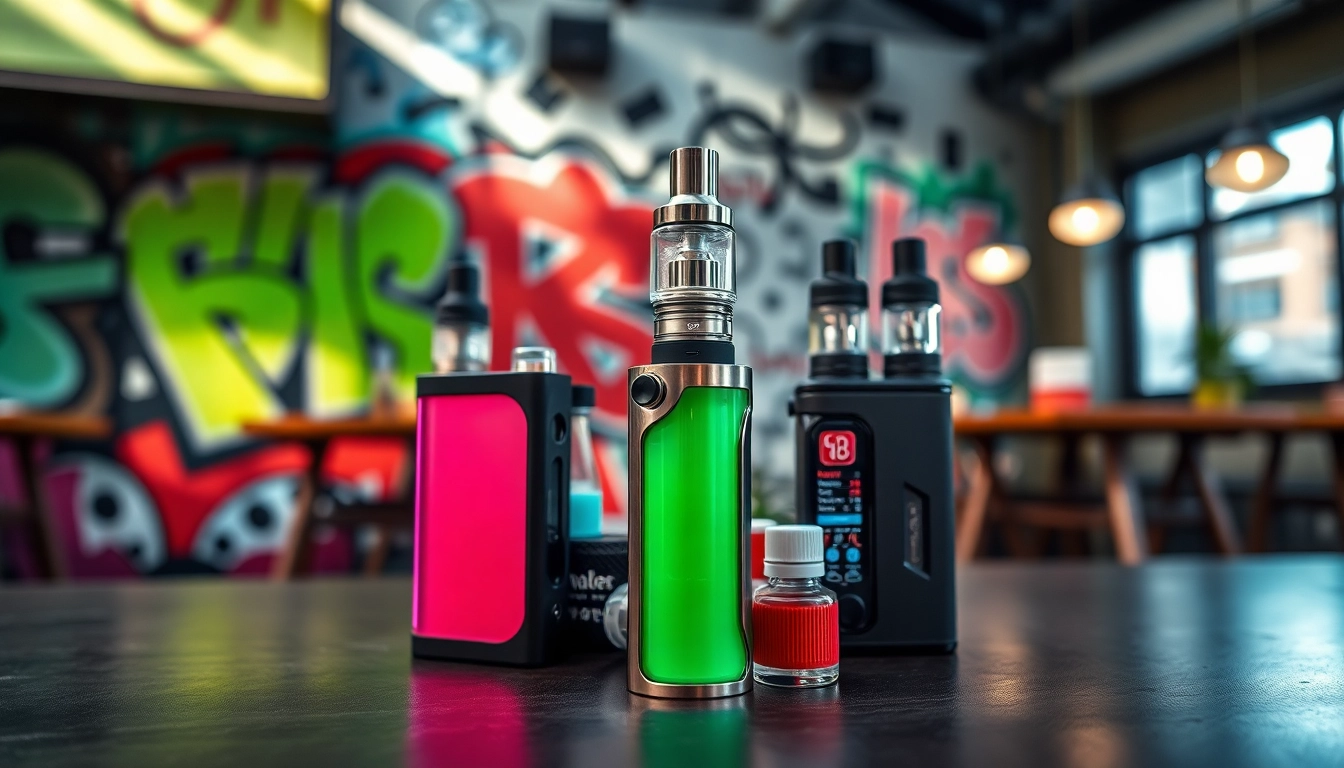
Understanding Vape & E-Liquids
Vaping has rapidly gained popularity as a modern alternative to traditional smoking, offering a diverse range of products including Vape & E-Liquids designed to cater to varying palates and preferences. Understanding the intricacies of vape products, particularly e-liquids, is crucial for both newcomers and seasoned vapers. This guide will provide a comprehensive overview of the components of e-liquids, the different types available, and important considerations for choosing the right product.
The Composition of E-Liquids
E-liquids, or vape juices, typically consist of four main components: vegetable glycerin (VG), propylene glycol (PG), flavorings, and nicotine (optional). Here's a deeper dive into these elements:
- Vegetable Glycerin (VG): VG is a thick, sweet, and viscous liquid that contributes to the vapor's density. It is derived from plant oils and is known for its smooth texture and ability to produce large vapor clouds.
- Propylene Glycol (PG): PG is thinner than VG and is often used to enhance flavor delivery. It is known for its throat hit, which many vapers liken to the sensation of smoking traditional tobacco products.
- Flavorings: E-liquids come in an astonishing variety of flavors, from fruit and candy to dessert and beverage options. These flavor profiles are typically food-grade additives.
- Nicotine: This component is optional and can be included in varying strengths. Nicotine levels are often measured in milligrams per milliliter (mg/ml) and can range from 0 mg/ml (nicotine-free) to over 50 mg/ml for nicotine salt e-liquids.
Types of Vape & E-Liquids Available
The vaping market is filled with a multitude of e-liquid options tailored to fit different preferences and needs. The following are some of the main types:
- Traditional E-Liquids: These are the standard vape juices typically made with varying VG/PG ratios. They come in numerous flavors and nicotine strengths.
- Nicotine Salts: Known for their smoother throat hit, nicotine salts usually contain higher nicotine levels while allowing for a more satisfying vape without harshness. They are often favored by those transitioning from smoking.
- CBD E-Liquids: These e-liquids infuse CBD, a non-psychoactive compound derived from hemp, providing users with potential wellness benefits without the high associated with THC.
- THC E-Liquids: In regions where cannabis is legal, THC e-liquids are available, offering the psychoactive effects of THC for recreational use.
- Diy E-Liquids: For those who prefer customization, DIY e-liquid kits are available that enable individuals to create their own blends of VG, PG, flavorings, and nicotine levels.
Choosing the Right Nicotine Strength
Selecting the right nicotine strength is essential for an enjoyable vaping experience. The choice largely depends on the user's previous smoking habits and satisfaction levels. Here are some common strength options:
- 0 mg/ml: Ideal for those who have quit nicotine entirely but still crave the act of vaping.
- 3 mg/ml: Suitable for light smokers or those who vape occasionally.
- 6 mg/ml: A common choice for moderate smokers who prefer a more significant nicotine kick.
- 12 mg/ml and up: These higher concentrations are generally aimed at heavy smokers who require more nicotine to feel satisfied.
How to Select Your Perfect Vape & E-Liquid
Finding the right vape and e-liquid can dramatically enhance your vaping experience. To make an informed choice, consider the following factors:
Flavor Profiles and Selection Criteria
The world of vape flavors is virtually limitless. When selecting a flavor, consider your own taste preferences, whether you're inclined towards fruity, dessert-like, or menthol flavors. Here are some tips for selecting the perfect flavor:
- Start with What You Know: If you're a former smoker, you might want to try tobacco or menthol flavors first. If you're more adventurous, fruity or dessert flavors could be appealing.
- Sample Multiple Flavors: If possible, try samples before committing to a full bottle. Many vape shops offer tasting stations for this purpose.
- Seasonal Options: Some flavors may be seasonal, offering unique experiences that can vary with the time of year, such as pumpkin spice in autumn or mint during the summer.
Understanding VG/PG Ratios
The VG/PG ratio in an e-liquid profoundly influences its vaping characteristics. The most common proportions are:
- 70/30 VG/PG: This ratio is popular for sub-ohm vaping and produces large vapor clouds while retaining flavor.
- 50/50 VG/PG: A balanced ratio that caters to those who want both good flavor and vapor. Ideal for beginner devices.
- 30/70 VG/PG: More PG heavy for those who prefer a stronger throat hit and flavor intensity.
Your choice will depend on your device type and personal preferences in terms of vapor volume and throat hit.
Brand Reputation and Quality Assessment
Not all e-liquids are created equal; thus, brand reputation is paramount when choosing a product. Look for these quality indicators:
- Third-Party Testing: Reputable brands often submit their products for testing to ensure safety and quality, providing transparent results.
- Ingredient Sourcing: Prioritize brands that disclose their ingredient sourcing and ensure they use high-quality VG and PG.
- Customer Reviews: Always check customer reviews for feedback on flavor, vapor production, and overall satisfaction.
How to Use Vape & E-Liquids Effectively
Proper technique and usage can significantly enhance your vaping experience. The following guidelines can help ensure you are getting the most out of your setup and e-liquids:
Setting Up Your Device for Optimal Use
Each vaping device has specific requirements for optimal performance, including adjustments for wattage, airflow, and coil resistance. Key steps include:
- Coil Selection: Ensure you’re using the correct coil type for your chosen e-liquid. Higher VG liquids typically require coils rated for direct lung usage, while higher PG liquids are best suited for mouth-to-lung setups.
- Wicking: Properly wick the coil with an appropriate amount of cotton to avoid dry hits. Allow the cotton to saturate with e-liquid before your first puff.
- Wattage Settings: Adjust wattage according to your coil’s requirements. It is advisable to start low and gradually increase to find your ideal sweet spot.
Proper Storage of E-Liquids
Storing your e-liquids properly can extend shelf life and maintain flavor integrity. Follow these storage tips:
- Keep Cool and Dark: Store e-liquids in a cool, dark place at room temperature; avoid exposure to direct sunlight or heat which can degrade the ingredients.
- Airtight Containers: Use tightly sealed containers to minimize exposure to air and moisture.
- Check Expiry Dates: Regularly check for any expiration dates or signs of degradation in color or consistency.
Maintenance Tips for Longevity
Regular maintenance of your vaping equipment can prevent common issues such as burnt coils or leaks. Consider these maintenance practices:
- Clean Your Device: Regularly clean the tank and mouthpiece of your vape to remove residue and enhance flavor.
- Change Coils Regularly: Replace coils based on usage, looking out for reduced flavor or vapor production as indicators.
- Battery Care: For battery-operated devices, ensure to charge correctly and avoid overcharging. Regularly check for damage to the battery casing.
Health Considerations When Using Vape & E-Liquids
While vaping is often viewed as a less harmful alternative to smoking, it is important to consider potential health implications. Awareness of such aspects can empower users to make informed decisions about their vaping habits.
Potential Risks Associated with Vaping
While research is ongoing, some potential health risks associated with vaping include:
- Nicotine Addiction: Vaping can lead to nicotine dependence; users should consider their nicotine intake and frequency of use.
- Respiratory Issues: Some users report respiratory discomfort or other symptoms which may be linked to specific e-liquid ingredients.
- Long-term Unknowns: As an emerging field, the long-term health effects of vaping are not yet thoroughly studied.
Common Myths and Misconceptions
The vaping industry is rife with misconceptions. Here are common myths debunked:
- Myth 1: Vaping is completely safe - While generally considered less harmful than smoking, health risks still exist.
- Myth 2: Vaping does not cause addiction - Many e-liquids contain nicotine, which is addictive.
- Myth 3: All e-liquids are the same - E-liquids vary greatly in quality and ingredients; careful selection is crucial.
Guidelines for Safe Usage
Ensuring safe vaping practices promotes a more enjoyable experience. Here are some best practices:
- Start Low: If you're new to vaping, start with lower nicotine levels and gradually increase based on your comfort.
- Stay Informed: Educate yourself on the latest studies and findings related to vaping and public health.
- Listen to Your Body: If you experience discomfort or adverse effects, reconsider your use or consult with a healthcare professional.
The Future of Vape & E-Liquids
The world of vaping is constantly evolving, driven by consumer demand, technological innovation, and regulatory landscapes. Understanding the emerging trends will allow users to stay informed and make educated choices.
Emerging Trends in Flavor Innovation
Flavor innovation is one of the most exciting aspects of the vaping industry. New trends continue to develop:
- Exotic Flavors: More brands are creating unique flavors inspired by global cuisines and cultural elements.
- Complex Flavor Profiles: Many e-liquids now feature multi-layered flavor profiles, allowing for richer and more nuanced vaping experiences.
- Seasonal and Limited Edition Flavors: Brands are capitalizing on seasonal trends with limited-time offerings that entice consumers to try new flavors.
Impact of Regulations on Vape & E-Liquids
As governments grapple with the implications of vaping, regulations are likely to become stricter. Manufacturers must remain adaptable to these changes. Key potential impacts include:
- Product Formulation Standards: Future regulations may dictate specific ingredient standards, affecting the composition of e-liquids.
- Labeling and Advertising Restrictions: More stringent laws may emerge around how e-liquids can be marketed and what health claims can be made.
- Age Restrictions: Countries are increasingly imposing age restrictions on who can purchase vaping products, aiming to curb youth consumption.
Technological Advances in Vaping Devices
Vaping technology has progressed quickly, impacting how e-liquids are consumed:
- Battery Innovations: Advanced battery technology allows for longer usage times and faster charging capabilities, enhancing user convenience.
- Smart Devices: Integration of smart technology enables users to track their vaping habits through mobile applications, providing insights into nicotine intake and usage patterns.
- Advanced Coil Technology: New coil designs improve flavor production, vapor consistency, and overall satisfaction for consumers.
In conclusion, understanding Vape & E-Liquids is essential for anyone looking to explore the vaping landscape responsibly. By recognizing the components, types, and health implications associated with vaping, users can make informed decisions to enhance their experience while remaining conscious of their health and the evolving nature of the industry.