
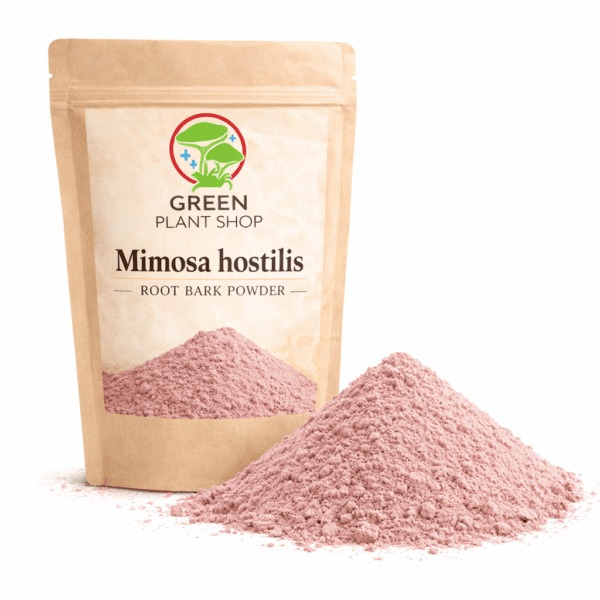
Mimosa Hostilis Root Bark is a botanical material associated with the Mimosa hostilis tree, a species native to parts of northeastern Brazil and other regions of tropical and subtropical South America. Interest in Mimosa Hostilis Root Bark has grown among people researching traditional plants, natural materials, ethnobotany, and sustainable sourcing. When discussing Mimosa Hostilis Root Bark, responsible harvesting is especially important because the quality of the material and the long-term health of wild plant populations depend on careful collection practices. Sustainable sourcing should therefore prioritize ecological protection, responsible land management, traceable supply chains, and respect for local communities.
Understanding the Mimosa Hostilis Tree
Mimosa hostilis is a hardy leguminous tree that can tolerate relatively challenging environmental conditions. It is commonly associated with dry forests, scrublands, and other warm environments. The plant has a distinctive botanical profile, including thorny branches, compound leaves, and a strong root system.
Mimosa Hostilis Root Bark refers specifically to the bark associated with the roots of this tree. From a botanical perspective, understanding where the plant grows and how it regenerates is essential for developing responsible harvesting practices.
Botanical Adaptation and Regeneration
One reason the species attracts attention from botanists and natural-material researchers is its adaptability. Like many resilient woody plants, it can respond to environmental stress through regeneration and new growth. However, resilience should not be interpreted as unlimited tolerance for harvesting.
Repeated removal of substantial portions of a plant's root system can cause stress, reduce stability, and potentially affect regeneration. Sustainable collection therefore requires an understanding of plant biology rather than assuming that naturally resilient species can withstand unrestricted harvesting.
Why Sustainable Harvesting Matters
Sustainable harvesting means collecting botanical materials in ways that minimize damage to ecosystems while maintaining the availability of resources for future generations. For Mimosa Hostilis Root Bark, sustainability involves much more than simply choosing a mature plant.
Harvesting decisions can influence soil stability, surrounding vegetation, wildlife habitat, and the regeneration of individual trees. Poorly managed collection may also encourage destructive practices in areas where wild populations are limited.
A responsible approach considers the entire ecological system. Harvesters and suppliers should understand local environmental conditions, land ownership, applicable regulations, and the natural regeneration patterns of the species.
Protecting Wild Populations
Wild plant populations can be affected when commercial demand increases rapidly. Sustainable sourcing should therefore avoid unnecessary pressure on naturally occurring stands.
Where possible, responsible suppliers can work with managed cultivation, community-based forestry initiatives, or carefully regulated collection programs. These approaches can help create a more predictable supply while reducing pressure on unmanaged wild populations.
Responsible Collection Principles
A sustainable approach to Mimosa Hostilis Root Bark begins before any physical harvesting takes place. Collectors should identify the species accurately and understand whether collection is legally permitted in the relevant region.
Species Identification
Accurate identification prevents accidental harvesting of unrelated species. Botanical identification can involve examining leaf structure, bark characteristics, growth patterns, flowers, and other distinguishing features.
Misidentification can create ecological problems and may also result in an inconsistent botanical product. Professional botanical references and qualified local expertise can help improve identification accuracy.
Avoiding Destructive Practices
Root harvesting can be more invasive than collecting renewable above-ground materials. For this reason, collection should be carefully managed and should not involve indiscriminate removal of entire root systems or excessive damage to mature trees.
Sustainable harvesting programs should establish clear limits regarding which plants can be collected, how frequently areas are revisited, and how regeneration is monitored.
Cultivation as a Sustainable Alternative
Cultivation can provide an important pathway for reducing pressure on wild populations. Growing Mimosa hostilis under managed conditions allows producers to monitor plant health, soil quality, water requirements, and regeneration.
Cultivated Mimosa Hostilis Root Bark can also offer greater traceability because producers may document where plants were grown and how they were managed.
Benefits of Managed Growing
Managed cultivation can provide several environmental advantages. Producers can select appropriate growing areas, protect young plants, maintain soil health, and establish harvesting schedules based on plant development.
Cultivation may also make it easier to maintain consistent botanical identification and supply-chain records. However, cultivation itself should follow responsible agricultural principles, including appropriate water use, soil management, and avoidance of unnecessary habitat conversion.
Sustainable Supply Chains and Traceability
Traceability is an important part of responsible botanical sourcing. A trustworthy supply chain should provide meaningful information about the origin and handling of Mimosa Hostilis Root Bark.
Suppliers can maintain records concerning geographic origin, collection dates, cultivation status, processing facilities, and transportation. Such documentation helps buyers understand whether botanical materials come from legitimate and responsibly managed sources.
Supporting Local Communities
Sustainable harvesting can also have a social dimension. Local communities may possess valuable knowledge about native vegetation, seasonal conditions, and traditional land management.
Responsible sourcing should respect local knowledge and applicable community rights. Fair commercial relationships can provide economic opportunities while encouraging long-term stewardship of natural resources.
Quality and Responsible Handling
Sustainability and quality are closely connected. Poor storage or careless handling can reduce the condition of botanical materials and lead to unnecessary waste.
Mimosa Hostilis Root Bark should be handled in a way that protects it from excessive moisture, contamination, pests, and unsuitable storage conditions. Clean packaging and appropriate environmental controls can help preserve botanical integrity.
Responsible suppliers should also avoid making unsupported claims about purity, origin, environmental certifications, or traditional uses. Transparency is essential for building confidence in botanical products.
Environmental Monitoring
Sustainable harvesting should not be treated as a one-time decision. Monitoring is necessary to determine whether collection practices are actually compatible with ecological recovery.
Researchers and land managers can evaluate regeneration, plant density, habitat condition, soil stability, and changes in surrounding vegetation. If monitoring indicates that harvesting is placing excessive pressure on an area, collection practices should be adjusted.
Long-Term Stewardship
The ultimate goal of sustainable botanical harvesting is long-term availability rather than maximum short-term collection. A healthy harvesting program recognizes that forests, soils, and plant communities require time to recover.
For Mimosa Hostilis Root Bark, long-term stewardship may involve rotating collection areas, protecting younger plants, encouraging cultivation, and establishing harvesting limits based on local ecological conditions.
Legal and Ethical Considerations
Rules governing the collection, transportation, sale, and importation of botanical materials can vary significantly between countries and regions. Buyers and suppliers should check applicable laws before collecting or purchasing Mimosa Hostilis Root Bark.
Ethical sourcing also requires honest labeling. Products should accurately describe their botanical identity, geographic origin when known, and relevant processing information. Responsible businesses should avoid presenting unverified sustainability claims as established facts.
Building a More Sustainable Future
Growing interest in botanical materials creates both opportunities and responsibilities. Mimosa Hostilis Root Bark can be sourced more responsibly when ecological knowledge, cultivation, traceability, and ethical business practices work together.
Sustainable harvesting is ultimately about balance. It requires recognizing the value of botanical resources while ensuring that natural ecosystems remain healthy. Responsible suppliers can contribute by prioritizing documented origins, careful collection, managed cultivation, environmental monitoring, and transparent communication.
For consumers researching Mimosa Hostilis Root Bark, asking questions about origin and harvesting practices can encourage better industry standards. Choosing suppliers that emphasize traceability and responsible sourcing can help reduce demand for poorly documented or environmentally damaging collection.
Frequently Asked Questions
1. What is Mimosa Hostilis Root Bark?
Mimosa Hostilis Root Bark is botanical material derived from the root bark of Mimosa hostilis, a woody plant native to regions of South America. It is studied in areas such as botany, ethnobotany, traditional plant knowledge, and natural-material research.
2. Why is sustainable harvesting important?
Sustainable harvesting helps protect individual plants, wild populations, soil, surrounding vegetation, and local ecosystems. Responsible practices are particularly important when plant material involves roots because excessive root disturbance can damage plants.
3. Is cultivation better than wild harvesting?
Managed cultivation can reduce pressure on wild populations and make the origin of Mimosa Hostilis Root Bark easier to document. However, cultivation should itself follow environmentally responsible agricultural practices.
4. How can buyers evaluate responsible sourcing?
Buyers can look for transparent information about botanical identity, geographic origin, cultivation or collection practices, supply-chain documentation, and applicable legal requirements. Clear documentation is generally more meaningful than vague sustainability claims.
5. Can Mimosa Hostilis Root Bark be harvested sustainably?
Potentially, yes, when collection is carefully managed according to local ecological conditions, legal requirements, regeneration rates, and responsible land-management practices. Sustainable sourcing should prioritize the long-term health of plant populations rather than maximizing short-term collection.
Conclusion
Mimosa Hostilis Root Bark represents more than a botanical commodity; its sourcing is connected to plant biology, ecosystems, local communities, and responsible supply-chain management. Sustainable harvesting requires accurate identification, careful collection, cultivation where appropriate, environmental monitoring, and transparent documentation.
As interest in Mimosa Hostilis Root Bark continues to develop, responsible sourcing can help balance consumer demand with ecological stewardship. The strongest approach is one that protects natural populations, supports ethical production, respects local knowledge, and treats sustainability as an ongoing commitment rather than a marketing label.