1. Introduction to CBD and Its Origins
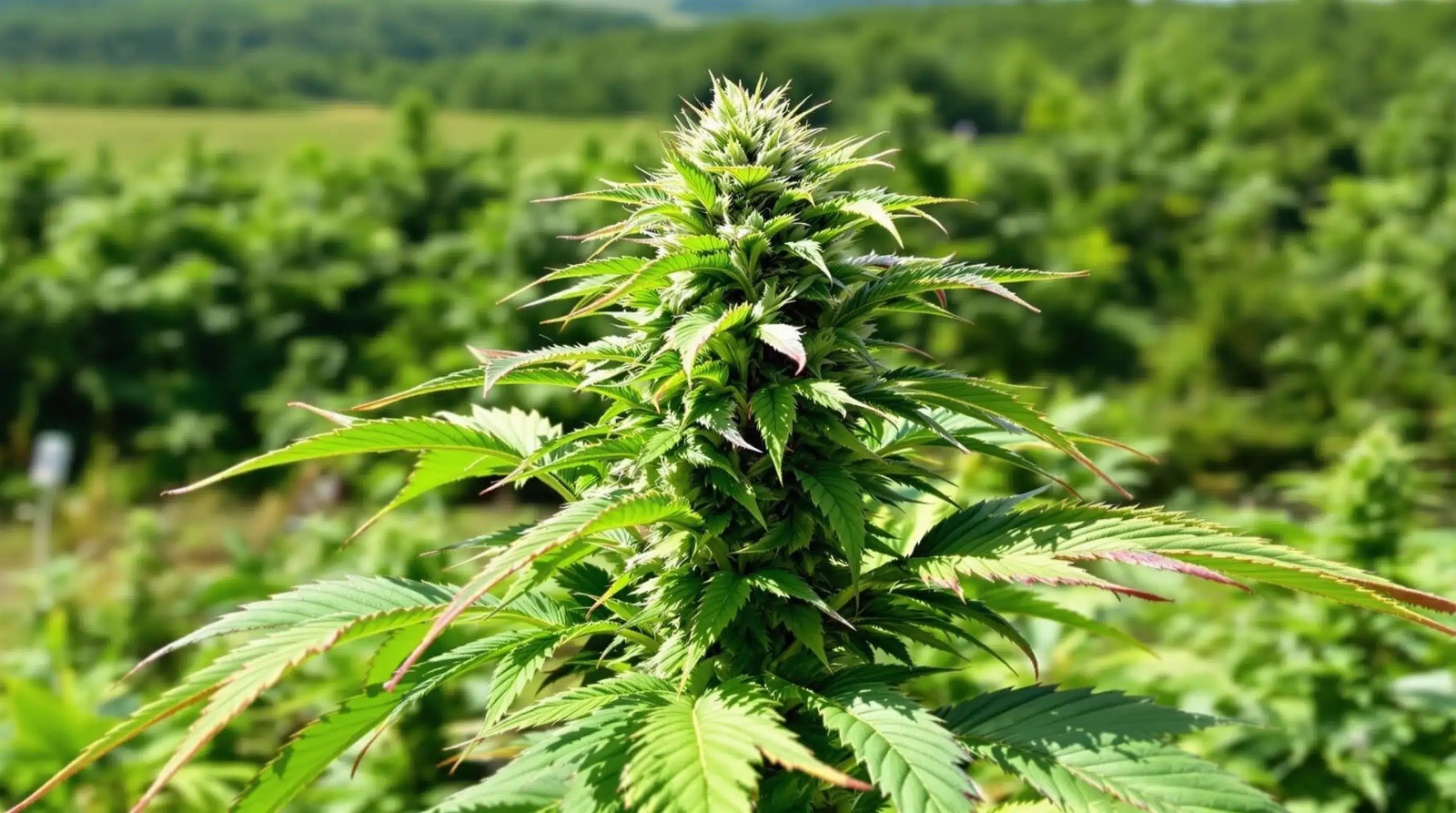
Cannabidiol (CBD) is a natural compound derived from the hemp plant, recognized for its potential therapeutic benefits. Unlike its more famous counterpart, tetrahydrocannabinol (THC), CBD does not produce psychoactive effects, making it a safe and appealing option for those seeking relief from various ailments without the high often associated with cannabis. The growing interest in CBD has spurred extensive research into its benefits, uses, and safety.
1.1 What is CBD?
CBD, one of many cannabinoids found in cannabis, is notable for its potential to influence the body’s endocannabinoid system (ECS). This system plays a crucial role in regulating various physiological processes, including mood, pain, immune system responses, and more. CBD’s non-psychoactive nature allows it to interact with the ECS without altering mental states, differentiating it from THC and making it suitable for everyday use.
1.2 History and Background of CBD
The history of CBD dates back to ancient civilizations, where cannabis was utilized for medicinal purposes. However, scientific interest in CBD began in the mid-20th century, leading to the isolation of CBD from cannabis extracts. Over the years, research has expanded, uncovering its potential in managing conditions such as epilepsy, anxiety, and chronic pain. Legislative shifts have further fueled this interest, with more states legalizing hemp production and CBD sales.
1.3 The Legal Landscape of CBD
The legal status of CBD is complex, varying by country and, in the United States, by state. Following the 2018 Farm Bill, hemp-derived CBD products containing less than 0.3% THC have become legal federally, but some states impose stricter regulations. Understanding local laws is essential for consumers and producers alike, ensuring compliance and safety in use.
2. Health Benefits of CBD
Extensive research indicates that CBD may provide a range of health benefits. As a result, its popularity has surged, and consumers turn to it for various reasons, from mental health management to pain relief.
2.1 CBD and Mental Health: Anxiety Relief
One of the most reported benefits of CBD is its potential to alleviate anxiety and stress. Studies suggest that CBD can reduce anxiety levels by interacting with serotonin receptors in the brain, which regulates mood and behavior. Individuals suffering from generalized anxiety disorder, social anxiety, and even post-traumatic stress disorder have reported significant improvements when using CBD products.
2.2 CBD for Pain Management and Inflammation
CBD’s anti-inflammatory properties have made it a popular choice for those dealing with chronic pain and inflammation. Whether from arthritis, multiple sclerosis, or general muscle soreness, CBD interacts with the body’s pain receptors, providing relief without the side effects often associated with prescription pain medications. This non-addictive nature offers a safer alternative for pain management.
2.3 Exploring CBD’s Neuroprotective Properties
Research has indicated that CBD may have neuroprotective properties, potentially benefiting individuals with neurological disorders like epilepsy and multiple sclerosis. Its ability to reduce seizures and improve the quality of life highlights the compound’s significance in medical research. Additionally, its antioxidant properties contribute to brain health and cognitive function, paving the way for further studies in this domain.
3. Safe Usage and Dosage of CBD
As with any supplement, understanding how to use CBD effectively and safely is essential for maximizing its benefits. The right dosage can vary depending on individual factors such as body weight, metabolism, and the condition being treated.
3.1 How to Determine the Right CBD Dosage
Determining the right dosage of CBD often requires a bit of experimentation. Starting with a low dose and gradually increasing until the desired effects are achieved is a common approach. It is important to consult with a healthcare professional, especially for individuals taking other medications or managing serious health conditions.
3.2 Forms of CBD: Oils, Edibles, and More
CBD is available in various forms, including oils, capsules, edibles, topicals, and vapes. Each form has its advantages and disadvantages, affecting factors such as absorption rate and duration of effects. For instance, CBD oils and tinctures are fast-acting, while edibles offer longer-lasting relief. Choosing the right form will depend on personal preferences and specific health goals.
3.3 Potential Side Effects and Contraindications
While CBD is generally well-tolerated, some individuals may experience side effects, including dry mouth, drowsiness, changes in appetite, or gastrointestinal issues. It’s crucial for users to monitor these effects and consult with a healthcare professional, particularly if they experience severe side effects or are on medications that may interact with CBD.
4. The Science Behind CBD: How It Works
Understanding how CBD works in the body provides insight into its therapeutic potential. This section explores the science behind the interactions of CBD with our physiology.
4.1 Understanding the Endocannabinoid System
The endocannabinoid system (ECS) is a complex network of receptors and neurotransmitters that plays a vital role in maintaining homeostasis within the body. It consists of two major types of receptors: cannabinoid receptor type 1 (CB1), primarily found in the brain, and cannabinoid receptor type 2 (CB2), located throughout the body. CBD’s interaction with these receptors influences various bodily functions, including mood, appetite, and immune response.
4.2 How CBD Interacts with the Body
CBD’s interaction with the ECS may normalize functions that are out of balance. It does this primarily by inhibiting the enzyme that breaks down anandamide, a naturally occurring endocannabinoid. This results in increased levels of anandamide, contributing to improved mood and reduced pain sensations. Furthermore, CBD may also interact with non-cannabinoid receptors, amplifying its therapeutic effects.
4.3 Research and Studies on CBD Efficacy
The growing body of research on CBD includes numerous studies demonstrating its efficacy in treating various conditions. Clinical trials illustrate its potential benefits for anxiety disorders, chronic pain, and even epilepsy. Continuous research is essential for substantiating claims and enhancing our understanding of the therapeutic range of CBD, paving the way for more targeted therapies and formulations.
5. Conclusion and Future of CBD
The future of CBD appears promising, with ongoing research and a growing acceptance of its therapeutic use. As consumers become more informed and legislation evolves, the market continues to expand, offering new and innovative products.
5.1 Trends in CBD Usage and Market Growth
The CBD market is projected to grow exponentially in the coming years. Trends indicate an increase in product diversity, catering to specific health needs and preferences. Consumer education is also on the rise, with individuals seeking products that are responsibly sourced, tested, and transparently labeled.
5.2 The Future of CBD Research and Development
Research into CBD’s applications is expected to continue expanding, with particular attention on its effects on new conditions and demographics. With increased funding and openness from regulatory bodies, we may see advancements in our understanding of CBD’s mechanisms, leading to the development of more effective therapies and formulations.
5.3 Final Thoughts on Integrating CBD into Wellness
Integrating CBD into wellness routines can offer multiple health benefits, but it is essential to approach with caution and awareness. Consulting healthcare professionals and conducting thorough research are vital steps for anyone considering CBD as part of their health regimen. As more individuals explore the potential of CBD, its place in holistic health is likely to solidify, contributing to a more balanced approach to wellness.