
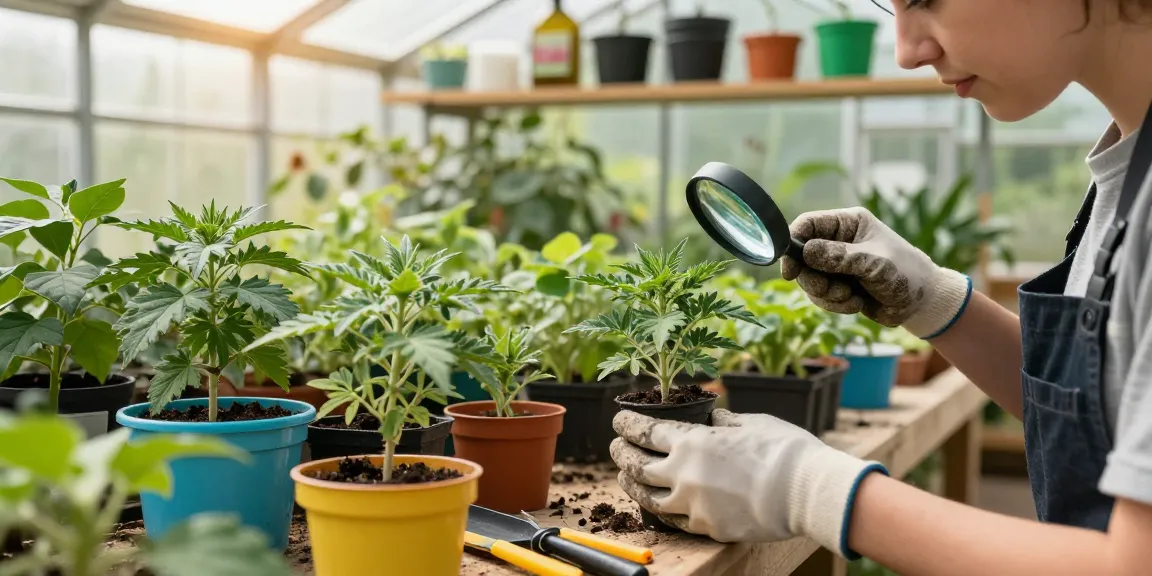
Understanding Salvia Divinorum Cuttings
Salvia divinorum is a unique perennial herb known for its psychoactive properties and specific growing requirements. Many enthusiasts and researchers seek to propagate this intriguing plant through Salvia Divinorum cuttings, making it essential to understand the nuances of this method. By delving into what cuttings are, how they are propagated, and the benefits they offer over other propagation methods, you can cultivate healthy Salvia divinorum plants with greater success.
What Are Salvia Divinorum Cuttings?
Salvia divinorum cuttings are sections of the stem taken from a healthy plant, specifically selected to grow roots and develop into a new, independent plant. This method of propagation preserves the genetic characteristics of the parent plant, which can be particularly beneficial for cultivating plants with desirable traits, such as specific growth rates or leaf characteristics. Unlike seed propagation, cuttings ensure that the new plants will share the exact genetic makeup of the donor plant, leading to uniformity in growth and traits.
How Are Cuttings Propagated?
The process of propagating Salvia divinorum cuttings involves several careful steps:
- Select Healthy Stems: Choose non-flowering stems from a vigorous Salvia divinorum plant. The ideal length for cuttings is typically around 4 to 6 inches.
- Prepare the Cuttings: Using sterilized cutting tools, make a clean cut just below a node, ensuring that at least one or two leaf nodes are present. Remove the lower leaves to minimize moisture loss.
- Rooting Medium: Place the cuttings in a rooting medium such as perlite, peat moss, or a pre-made potting mix. Ensure the medium is moist but not saturated.
- Humidity and Light: Keep the cuttings in a warm, humid environment. A humidity dome or plastic bag can help retain moisture. Provide indirect sunlight, as direct light can scorch the cuttings.
- Monitor and Transplant: After a few weeks, check for root development by gently tugging on the cuttings. Once roots are established, transplant them into larger pots for further growth.
Benefits of Using Cuttings Over Seeds
There are several advantages to propagating Salvia divinorum using cuttings instead of seeds:
- Genetic Stability: As mentioned, cuttings produce clones of the parent plant, ensuring that the new plants will exhibit the same traits.
- Faster Growth: Cuttings often establish themselves more quickly than seeds, which can take longer to germinate and grow.
- Higher Success Rate: The success rate of rooting cuttings is typically higher than germinating seeds, particularly for species like Salvia divinorum, where viable seeds can be scarce.
- No Pollination Required: Propagating with cuttings bypasses the need for flowering and pollination, which can be unpredictable in Salvia divinorum.
Common Mistakes When Buying Salvia Divinorum Cuttings
Despite the straightforward nature of obtaining Salvia divinorum cuttings, buyers often make several mistakes that can hinder their success. Understanding these pitfalls can help ensure you select the best cuttings for your needs.
Ignoring Proven Cultivars
One of the most significant mistakes buyers make is overlooking the importance of proven cultivars. Different cultivars may vary widely in their growth habits, potency, and adaptability. Researching reputable sources that provide cuttings from known cultivars can prevent a lot of frustration.
Overlooking Quality Indicators
When purchasing cuttings, it’s crucial to assess the quality of the plants. Healthy cuttings should have vibrant leaves and firm stems. Avoid any cuttings that show signs of disease or pest infestations, as these can compromise the growth of your new plants.
Assuming All Cuttings Are the Same
Not all Salvia divinorum cuttings are created equal. Differences in age, health, and specific cultivar traits can significantly impact the success of your propagation efforts. It’s important to inquire about the source of the cuttings and their specific characteristics.
Best Practices for Caring for Salvia Divinorum Cuttings
Once you have acquired your Salvia divinorum cuttings, proper care is essential for their successful rooting and growth. Implementing best practices can significantly enhance your chances of thriving plants.
Optimal Conditions for Growth
Salvia divinorum cuttings thrive in warm, humid environments. Aim for temperatures between 70°F to 80°F (21°C to 27°C) and maintain high humidity levels around the cuttings. Using a spray bottle to mist the plants can help, but be careful not to saturate the soil.
Watering and Nutrient Requirements
Proper watering is critical. Keep the soil evenly moist, but not waterlogged. Overwatering can lead to root rot, while underwatering can stress the plant. As cuttings begin to establish roots, consider introducing a diluted, balanced fertilizer to encourage growth.
Signs of Healthy Root Development
Monitoring root development is vital. Signs that your cuttings are rooting include:
- New growth or leaf budding above the soil.
- Resistance when lightly tugging on the cutting.
- The presence of roots emerging from the drainage holes of the pot.
Where to Purchase Quality Salvia Divinorum Cuttings
Finding a reliable source for Salvia divinorum cuttings is key to successful propagation. Here are some considerations when making your purchase.
Reputable Online Retailers
Online retailers specializing in botanical products often have a wider selection of cultivars and provide detailed descriptions of their plants. Ensure that the retailer has positive reviews and a history of delivering healthy cuttings.
Local Nurseries vs. Online Shops
While online shops may offer more variety, local nurseries can provide the advantage of seeing the plants in person. This allows you to assess their health before purchasing.
What to Look for When Choosing Your Source
When selecting a source for your Salvia divinorum cuttings, consider the following:
- Do they offer information about their propagation methods?
- Are the cuttings fresh and healthy-looking?
- Do they have a clear return policy or guarantee on their plants?
Future Trends in Salvia Divinorum Cultivation
As interest in Salvia divinorum grows, so too do the methods and technologies surrounding its cultivation. Here are some upcoming trends that could shape the future of Salvia divinorum cultivation.
Technological Advancements in Plant Propagation
Innovation in plant propagation technology is on the rise. Techniques such as tissue culture and hydroponics could become more commonplace for Salvia divinorum, allowing for faster and more efficient cultivation methods.
Increased Interest in Medicinal Uses
As research into the medicinal properties of Salvia divinorum expands, more cultivators may focus on producing high-quality plants for therapeutic purposes, calling for stricter growing standards and quality control.
Sustainability Practices in Cultivation
With the increasing focus on environmental conservation, sustainable practices in Salvia divinorum cultivation are likely to gain traction. This includes organic growing methods, responsible sourcing, and minimizing resource use.
What is the best way to grow Salvia Divinorum from cuttings?
The best approach is to ensure that cuttings are taken from healthy plants, placed in a suitable rooting medium, and kept in a warm, humid environment with indirect light. Regularly monitor their moisture levels and watch for signs of root development.
How much do Salvia Divinorum cuttings typically cost?
The cost of Salvia divinorum cuttings can vary widely based on the source, cultivar, and specific characteristics. Generally, expect to pay between $10 to $30 for a healthy cutting.
Can I grow Salvia Divinorum indoors?
Yes, Salvia divinorum can be successfully grown indoors. Ensure they have access to adequate light and maintain humidity levels to mimic their natural environment.
How long does it take for Salvia Divinorum cuttings to root?
Rooting Salvia divinorum cuttings can take anywhere from two to six weeks, depending on environmental conditions and the health of the cuttings.
What are the signs of a failing Salvia Divinorum cutting?
Signs that a cutting may be failing include wilting leaves, discoloration, soft or mushy stems, and lack of new growth. If you notice these issues, reevaluate the conditions and make necessary adjustments.